Morton’s Neuroma and How to Find Relief

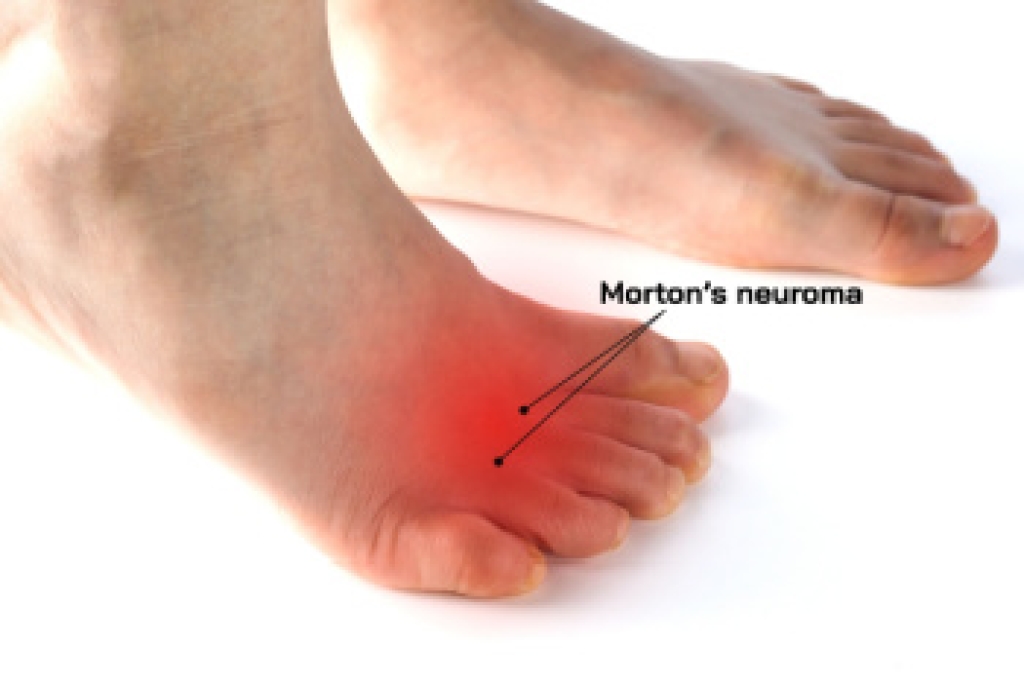
Morton’s neuroma is a painful condition caused by thickening of the tissue surrounding a nerve between the toes. It often develops from repeated pressure on the forefoot and is linked to wearing tight shoes, having flat feet, bunions, or high foot arches. This pressure irritates the nerve and leads to symptoms such as toe cramping, burning sensations, or sharp pain between the third and fourth toes. Many people describe the feeling as walking on a pebble. A podiatrist can diagnose the condition, provide custom padding or orthotics, recommend better footwear, and offer treatments that reduce inflammation and discomfort. If you have any of these symptoms, it is suggested that you consult a podiatrist who can offer effective relief and treatment solutions.

Morton’s neuroma is a very uncomfortable condition to live with. If you think you have Morton’s neuroma, contact Yacara Tabb, DPM of Optimum Foot Care. Our doctor will attend to all of your foot care needs and answer any of your related questions.  

Morton’s Neuroma

Morton's neuroma is a painful foot condition that commonly affects the areas between the second and third or third and fourth toe, although other areas of the foot are also susceptible. Morton’s neuroma is caused by an inflamed nerve in the foot that is being squeezed and aggravated by surrounding bones.

What Increases the Chances of Having Morton’s Neuroma?

  • Ill-fitting high heels or shoes that add pressure to the toe or foot
  • Jogging, running or any sport that involves constant impact to the foot
  • Flat feet, bunions, and any other foot deformities

Morton’s neuroma is a very treatable condition. Orthotics and shoe inserts can often be used to alleviate the pain on the forefront of the feet. In more severe cases, corticosteroids can also be prescribed. In order to figure out the best treatment for your neuroma, it’s recommended to seek the care of a podiatrist who can diagnose your condition and provide different treatment options.

If you have any questions, please feel free to contact our office located in Slidell, LA . We offer the newest diagnostic and treatment technologies for all your foot care needs.

Read more about Morton's Neuroma

Recognizing Complications of Plantar Fasciitis

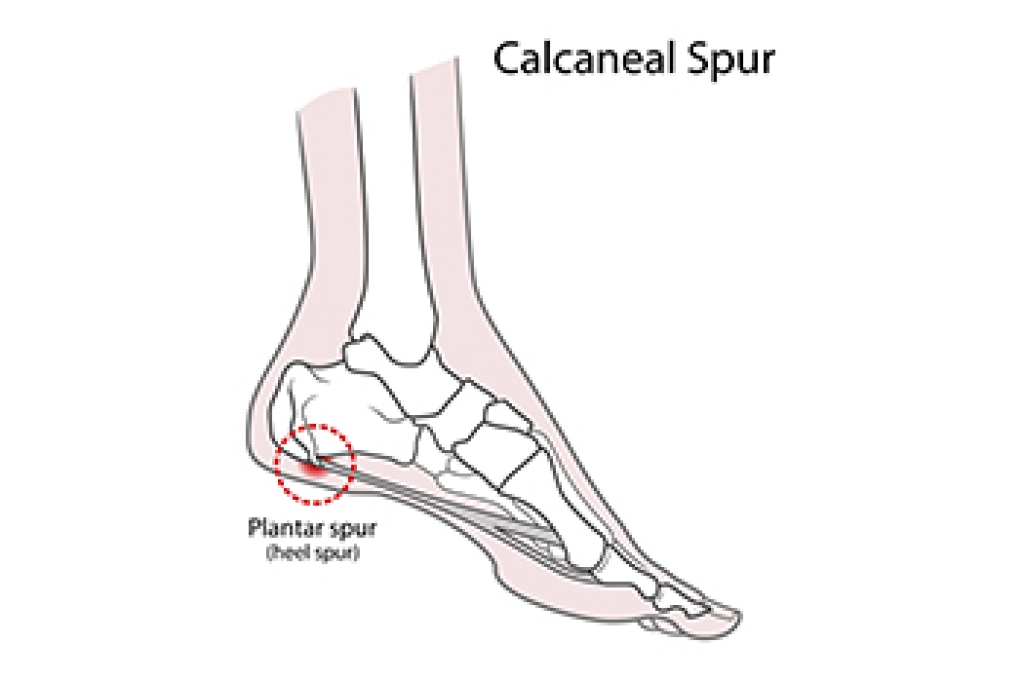
Plantar fasciitis often begins with a sharp heel pain that is strongest during the first steps of the day, but ignoring these early symptoms can lead to further complications. When the fascia, the band of fibrous tissue in the sole of the foot running from the heel to the toes, remains irritated over time, the body may respond by developing a heel spur, which can add to discomfort while standing and walking. People may also change the way they move to avoid pain, placing extra stress on the ankles, knees, hips, or back. This shift can create new areas of soreness and make daily activities feel more difficult. Chronic inflammation may develop as well, making the heel tender even with mild activity. Early care can prevent these issues. A podiatrist can confirm the diagnosis, provide targeted treatment, and guide recovery before complications progress. If your heel pain is becoming more persistent or affecting movement, it is suggested that you see a podiatrist for proper care.

Plantar fasciitis is a common foot condition that is often caused by a strain injury. If you are experiencing heel pain or symptoms of plantar fasciitis, contact Yacara Tabb, DPM from Optimum Foot Care. Our doctor can provide the care you need to keep you pain-free and on your feet.

What Is Plantar Fasciitis?

Plantar fasciitis is one of the most common causes of heel pain. The plantar fascia is a ligament that connects your heel to the front of your foot. When this ligament becomes inflamed, plantar fasciitis is the result. If you have plantar fasciitis you will have a stabbing pain that usually occurs with your first steps in the morning. As the day progresses and you walk around more, this pain will start to disappear, but it will return after long periods of standing or sitting.

What Causes Plantar Fasciitis?

  • Excessive running
  • Having high arches in your feet
  • Other foot issues such as flat feet
  • Pregnancy (due to the sudden weight gain)
  • Being on your feet very often

There are some risk factors that may make you more likely to develop plantar fasciitis compared to others. The condition most commonly affects adults between the ages of 40 and 60. It also tends to affect people who are obese because the extra pounds result in extra stress being placed on the plantar fascia.

Prevention

  • Take good care of your feet – Wear shoes that have good arch support and heel cushioning.
  • Maintain a healthy weight
  • If you are a runner, alternate running with other sports that won’t cause heel pain

There are a variety of treatment options available for plantar fasciitis along with the pain that accompanies it. Additionally, physical therapy is a very important component in the treatment process. It is important that you meet with your podiatrist to determine which treatment option is best for you.

If you have any questions, please feel free to contact our office located in Slidell, LA . We offer the newest diagnostic and treatment technologies for all your foot care needs.
 

Read more about Plantar Fasciitis

Symptoms and Risk Factors of a Heel Spur

A heel spur is a bony growth that forms on the underside of the heel bone due to long-term stress on the foot. It often develops when the plantar fascia becomes strained, leading to inflammation and calcium buildup. Symptoms include sharp heel pain, tenderness, and discomfort when standing or walking. Among the common causes are repetitive impact, flat feet, high arches, or wearing improper footwear. Risk factors include obesity, aging, and activities that place constant pressure on the heel. A podiatrist can evaluate foot structure, provide imaging, if needed, and recommend such treatments as supportive shoes, custom orthotics, stretching plans, and pain relief strategies. If you have heel pain, it is suggested that you consult a podiatrist who can accurately diagnose heel spurs and offer effective relief and treatment solutions.

Heel spurs can be incredibly painful and sometimes may make you unable to participate in physical activities. To get medical care for your heel spurs, contact Yacara Tabb, DPM from Optimum Foot Care. Our doctor will do everything possible to treat your condition.

Heels Spurs

Heel spurs are formed by calcium deposits on the back of the foot where the heel is. This can also be caused by small fragments of bone breaking off one section of the foot, attaching onto the back of the foot. Heel spurs can also be bone growth on the back of the foot and may grow in the direction of the arch of the foot.

Older individuals usually suffer from heel spurs and pain sometimes intensifies with age. One of the main condition's spurs are related to is plantar fasciitis.

Pain

The pain associated with spurs is often because of weight placed on the feet. When someone is walking, their entire weight is concentrated on the feet. Bone spurs then have the tendency to affect other bones and tissues around the foot. As the pain continues, the feet will become tender and sensitive over time.

Treatments

There are many ways to treat heel spurs. If one is suffering from heel spurs in conjunction with pain, there are several methods for healing. Medication, surgery, and herbal care are some options.

If you have any questions, please feel free to contact our office located in Slidell, LA . We offer the newest diagnostic and treatment technologies for all your foot care needs.

Read more about Heel Spurs

Preventing Falls in the Workplace

Workplace falls are a common cause of injury and can result from damaged ladders, slippery conditions, unmarked elevation changes, or leaning over guardrails. These accidents can lead to serious foot injuries such as sprains, fractures, or chronic pain that affect mobility and work performance. Prevention begins with choosing the right ladder for the job, using hazard warning signs, and keeping flooring clean and in good condition. A podiatrist can help treat foot injuries sustained from falls through diagnostic imaging, proper care, and targeted exercises to restore strength and stability. If you have experienced a fall affecting your lower extremities, or have lingering foot pain, it is suggested that you consult a podiatrist for a comprehensive evaluation and treatment to ensure a safe and healthy recovery.

Preventing falls among the elderly is very important. If you are older and have fallen or fear that you are prone to falling, consult with Yacara Tabb, DPM from Optimum Foot Care. Our doctor will assess your condition and provide you with quality advice and care.

Every 11 seconds, an elderly American is being treated in an emergency room for a fall related injury. Falls are the leading cause of head and hip injuries for those 65 and older. Due to decreases in strength, balance, senses, and lack of awareness, elderly persons are very susceptible to falling. Thankfully, there are a number of things older persons can do to prevent falls.

How to Prevent Falls

Some effective methods that older persons can do to prevent falls include:

  • Enrolling in strength and balance exercise program to increase balance and strength
  • Periodically having your sight and hearing checked
  • Discuss any medications you have with a doctor to see if it increases the risk of falling
  • Clearing the house of falling hazards and installing devices like grab bars and railings
  • Utilizing a walker or cane
  • Wearing shoes that provide good support and cushioning
  • Talking to family members about falling and increasing awareness

Falling can be a traumatic and embarrassing experience for elderly persons; this can make them less willing to leave the house, and less willing to talk to someone about their fears of falling. Doing such things, however, will increase the likelihood of tripping or losing one’s balance. Knowing the causes of falling and how to prevent them is the best way to mitigate the risk of serious injury.  

If you have any questions, please feel free to contact our office located in Slidell, LA . We offer the newest diagnostic and treatment technologies for all your foot care needs.
Read more about Falls Prevention

Surgery for Ingrown Toenails

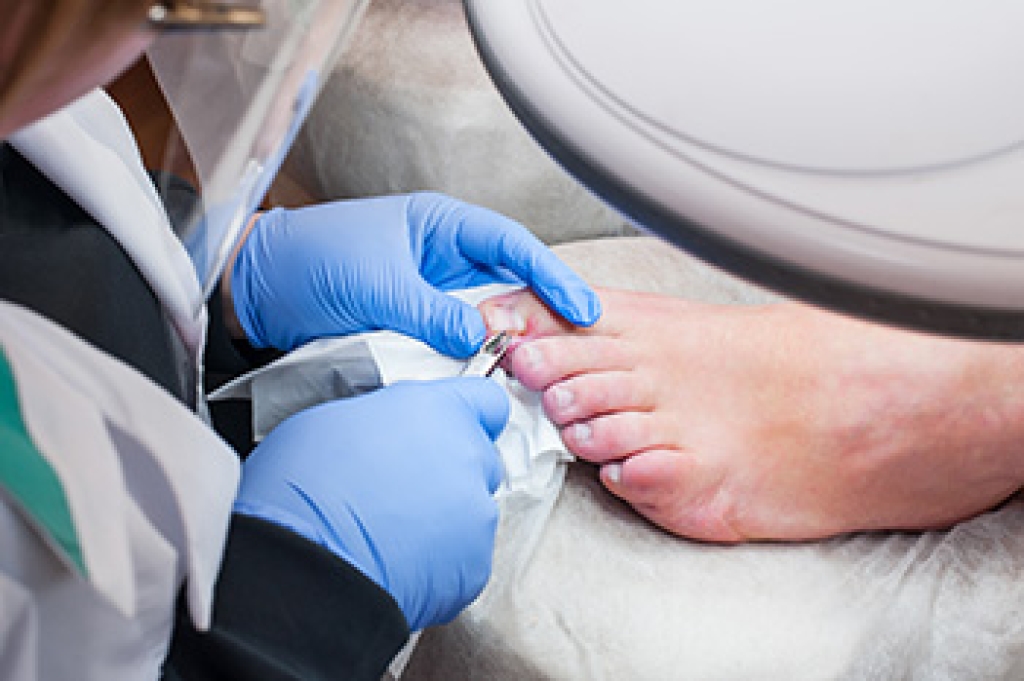
An ingrown toenail occurs when the edge of the nail grows into the surrounding skin, causing pain, redness, swelling, and sometimes infection. A podiatrist can relieve pain, treat infection, and provide guidance to prevent recurrence through proper nail trimming and footwear advice. When conservative treatments such as soaking or trimming are not effective, a minor surgical procedure may be performed to remove part or all of the affected nail. This ingrown toenail surgery is usually done under local anesthesia, and recovery typically takes one to two weeks, depending on the extent of the nail removal and aftercare. If you have a painful ingrown toenail, it is suggested that you consult a podiatrist who can discuss whether surgery is a right treatment option for you. 

Foot surgery is sometimes necessary to treat a foot ailment. To learn more, contact Yacara Tabb, DPM of Optimum Foot Care. Our doctor will assist you with all of your foot and ankle needs.

When Is Surgery Necessary?

Foot and ankle surgery is generally reserved for cases in which less invasive, conservative procedures have failed to alleviate the problem. Some of the cases in which surgery may be necessary include:

  • Removing foot deformities like bunions and bone spurs
  • Severe arthritis that has caused bone issues
  • Cosmetic reconstruction

What Types of Surgery Are There?

The type of surgery you receive will depend on the nature of the problem you have. Some of the possible surgeries include:

  • Bunionectomy for painful bunions
  • Surgical fusion for realignment of bones
  • Neuropathy decompression surgery to treat nerve damage

Benefits of Surgery

Although surgery is usually a last resort, it can provide more complete pain relief compared to non-surgical methods and may allow you to finally resume full activity.

Surgical techniques have also become increasingly sophisticated. Techniques like endoscopic surgery allow for smaller incisions and faster recovery times.

If you have any questions, please feel free to contact our office located in Slidell, LA . We offer the newest diagnostic and treatment technologies for all your foot care needs.

Read more about Foot Surgery

Types of Bunions

A bunion is a bony bump that forms at the base of the big toe, often causing pain and swelling due to joint misalignment. Common causes include genetics, improper footwear, and structural foot issues. The most frequent type is hallux valgus, where the big toe angles toward the second toe. A tailor’s bunion affects the outer side of the foot near the little toe, while adolescent bunions develop in teenagers due to inherited foot structure. Diagnosis involves a physical exam and imaging to assess bone alignment. A podiatrist can provide relief through custom orthotics, footwear advice, or surgical correction. If you notice signs of a bunion developing, it is suggested that you schedule an appointment with a podiatrist who can offer effective relief and management tips.

If you are suffering from bunions, contact Yacara Tabb, DPM of Optimum Foot Care. Our doctor can provide the care you need to keep you pain-free and on your feet.

What Is a Bunion?

A bunion is formed of swollen tissue or an enlargement of boney growth, usually located at the base joint of the toe that connects to the foot. The swelling occurs due to the bones in the big toe shifting inward, which impacts the other toes of the foot. This causes the area around the base of the big toe to become inflamed and painful.

Why Do Bunions Form?

Genetics – Susceptibility to bunions are often hereditary

Stress on the feet – Poorly fitted and uncomfortable footwear that places stress on feet, such as heels, can worsen existing bunions

How Are Bunions Diagnosed?

Doctors often perform two tests – blood tests and x-rays – when trying to diagnose bunions, especially in the early stages of development. Blood tests help determine if the foot pain is being caused by something else, such as arthritis, while x-rays provide a clear picture of your bone structure to your doctor.

How Are Bunions Treated?

  • Refrain from wearing heels or similar shoes that cause discomfort
  • Select wider shoes that can provide more comfort and reduce pain
  • Anti-inflammatory and pain management drugs
  • Orthotics or foot inserts
  • Surgery

If you have any questions, please feel free to contact our office located in Slidell, LA . We offer the newest diagnostic and treatment technologies for all your foot care needs.

Read more about What Are Bunions?

Heel Pain in the Morning?

Heel pain can negatively affect your day-to-day life. Simple activities like walking can become incredibly uncomfortable or painful due to heel pain.

Don’t live with heel pain and get treated.

Understanding and Treating Painful Foot Corns

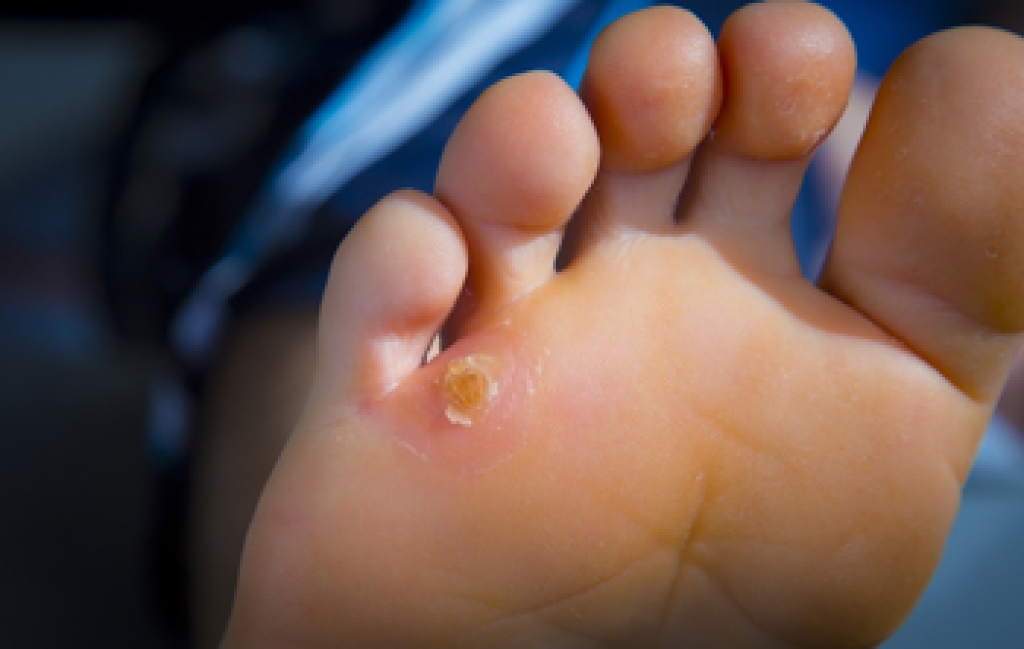
Foot corns are small, hardened areas of skin that develop from repeated pressure or friction, often caused by wearing tight shoes or abnormal foot structure. They commonly form on the tops or sides of toes or on weight-bearing areas of the foot. While corns are the body’s way of protecting itself, they can become painful and make walking difficult. Wearing properly fitted shoes with adequate toe space, using protective pads, and keeping the skin moisturized can help prevent their return. Never try to cut or remove a corn at home, as this can lead to infection, especially in people with diabetes or poor circulation. If you have a persistent or painful corn, it is suggested that you schedule an evaluation by a podiatrist, who can safely remove the thickened skin, identify the underlying cause, and recommend footwear or orthotic adjustments to relieve pressure and keep feet healthy.

If you have any concerns regarding your feet and ankles, contact Yacara Tabb, DPM of Optimum Foot Care. Our doctor will treat your foot and ankle needs.

Corns: What Are They? and How Do You Get Rid of Them?
Corns can be described as areas of the skin that have thickened to the point of becoming painful or irritating. They are often layers and layers of the skin that have become dry and rough, and are normally smaller than calluses.

Ways to Prevent Corns
There are many ways to get rid of painful corns such as wearing:

  • Well-fitting socks
  • Comfortable shoes that are not tight around your foot
  • Shoes that offer support

Treating Corns
Treatment of corns involves removing the dead skin that has built up in the specific area of the foot. Consult with Our doctor to determine the best treatment option for your case of corns.

If you have any questions, please feel free to contact our office located in Slidell, LA . We offer the newest diagnostic and treatment technologies for all your foot care needs.
Read more about Corns: What Are They, and How Do You Get Rid of Them

The Hidden Struggles of Fungal Toenails

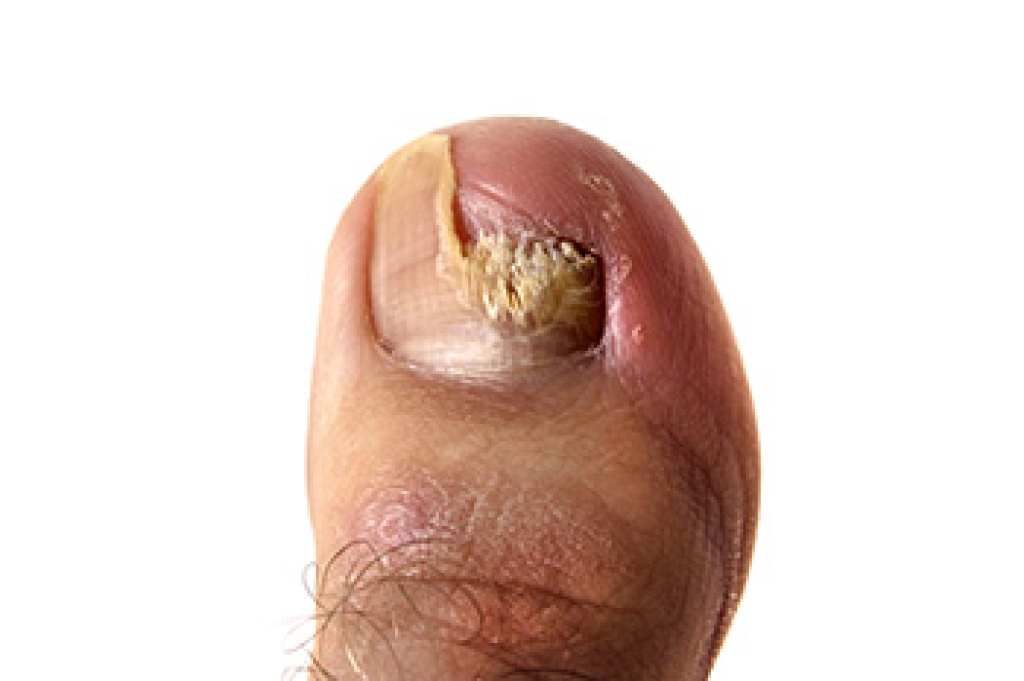
Fungal nails, medically known as onychomycosis, are caused by fungi infecting the nail bed. This is often due to warm, moist environments, poor foot hygiene, or minor nail injuries. Symptoms typically include thickened, discolored nails that may appear yellow, white, or brown. The toenails can become brittle, crumbly, or distorted, sometimes accompanied by a foul odor. Although fungal nails are often painless, they can cause discomfort when wearing shoes or walking. A podiatrist can accurately diagnose fungal toenail infections through a physical examination and laboratory testing. Treatment options include topical antifungal medication, oral antifungal drugs, or professional nail debridement to remove infected tissue. Because fungal toenail infections can worsen over time and spread to other nails, early diagnosis and treatment are important. To protect your toenail health and prevent further complications, it is suggested that you make an appointment with a podiatrist.

If left untreated, toenail fungus may spread to other toenails, skin, or even fingernails. If you suspect you have toenail fungus it is important to seek treatment right away. For more information about treatment, contact Yacara Tabb, DPM of Optimum Foot Care. Our doctor can provide the care you need to keep you pain-free and on your feet.

Symptoms

  • Warped or oddly shaped nails
  • Yellowish nails
  • Loose/separated nail
  • Buildup of bits and pieces of nail fragments under the nail
  • Brittle, broken, thickened nail

Treatment

If self-care strategies and over-the-counter medications does not help your fungus, your podiatrist may give you a prescription drug instead. Even if you find relief from your toenail fungus symptoms, you may experience a repeat infection in the future.

Prevention

In order to prevent getting toenail fungus in the future, you should always make sure to wash your feet with soap and water. After washing, it is important to dry your feet thoroughly especially in between the toes. When trimming your toenails, be sure to trim straight across instead of in a rounded shape. It is crucial not to cover up discolored nails with nail polish because that will prevent your nail from being able to “breathe”.

In some cases, surgical procedure may be needed to remove the toenail fungus. Consult with your podiatrist about the best treatment options for your case of toenail fungus.  

If you have any questions please contact our office located in Slidell, LA . We offer the newest diagnostic and treatment technologies for all your foot and ankle needs.

Read more about Treating Toenail Fungus

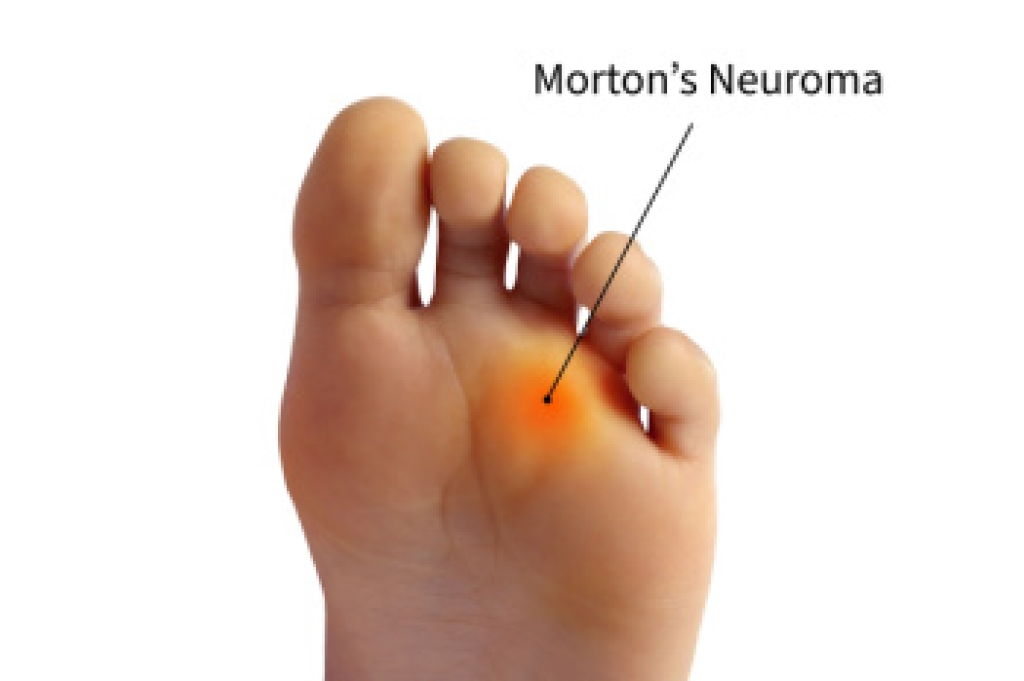
Understanding Morton’s Neuroma

Morton’s neuroma is a painful condition that affects the ball of the foot, typically between the third and fourth toes. It is caused by a thickening of the tissue around one of the nerves leading to the toes, often due to repetitive stress, tight footwear, high heels, or abnormal foot structure. Symptoms include a sharp, burning pain in the forefoot, tingling or numbness in the toes, and the sensation of having a pebble or fold in the sock. The pain may worsen with walking or wearing shoes and may ease when the foot is at rest. A podiatrist can diagnose Morton’s neuroma through a physical examination, review of symptoms, and imaging tests if necessary. Treatment options include footwear changes, custom orthotics, corticosteroid injections, or in severe cases, surgical removal of the affected nerve. It is suggested that you make an appointment with a podiatrist to receive a proper diagnosis and begin effective treatment for lasting relief.

Morton’s neuroma is a very uncomfortable condition to live with. If you think you have Morton’s neuroma, contact Yacara Tabb, DPM of Optimum Foot Care. Our doctor will attend to all of your foot care needs and answer any of your related questions.  

Morton’s Neuroma

Morton's neuroma is a painful foot condition that commonly affects the areas between the second and third or third and fourth toe, although other areas of the foot are also susceptible. Morton’s neuroma is caused by an inflamed nerve in the foot that is being squeezed and aggravated by surrounding bones.

What Increases the Chances of Having Morton’s Neuroma?

  • Ill-fitting high heels or shoes that add pressure to the toe or foot
  • Jogging, running or any sport that involves constant impact to the foot
  • Flat feet, bunions, and any other foot deformities

Morton’s neuroma is a very treatable condition. Orthotics and shoe inserts can often be used to alleviate the pain on the forefront of the feet. In more severe cases, corticosteroids can also be prescribed. In order to figure out the best treatment for your neuroma, it’s recommended to seek the care of a podiatrist who can diagnose your condition and provide different treatment options.

If you have any questions, please feel free to contact our office located in Slidell, LA . We offer the newest diagnostic and treatment technologies for all your foot care needs.
Read more about What is Morton's Neuroma?

Unwanted Visitors on Your Feet

Plantar warts are small, rough growths that appear on the soles of the feet and are caused by the human papillomavirus, or HPV. They often develop in areas of pressure, such as the heel or ball of the foot, and may look like a thickened, callused patch of skin with tiny black dots in the center. Symptoms include pain or discomfort when walking or standing, tenderness, and sometimes itching. Plantar warts can be contagious and spread through direct contact with contaminated surfaces, such as public showers or swimming pools. A podiatrist can diagnose plantar warts through a physical exam and may perform tests to confirm the diagnosis. Treatment options include topical medications, cryotherapy, or minor surgical removal. Early treatment can prevent the warts from spreading or worsening. It is suggested that you make an appointment with a podiatrist to receive an accurate diagnosis and effective treatment for plantar warts.

Plantar warts can be very uncomfortable. If you need your feet checked, contact Yacara Tabb, DPM from Optimum Foot Care. Our doctor will assist you with all of your foot and ankle needs.

About Plantar Warts

Plantar warts are the result of HPV, or human papillomavirus, getting into open wounds on the feet. They are mostly found on the heels or balls of the feet.

While plantar warts are generally harmless, those experiencing excessive pain or those suffering from diabetes or a compromised immune system require immediate medical care. Plantar warts are easily diagnosed, usually through scraping off a bit of rough skin or by getting a biopsy.

Symptoms

  • Lesions on the bottom of your feet, usually rough and grainy
  • Hard or thick callused spots
  • Wart seeds, which are small clotted blood vessels that look like little black spots
  • Pain, discomfort, or tenderness of your feet when walking or standing

Treatment

  • Freezing
  • Electric tool removal
  • Laser Treatment
  • Topical Creams (prescription only)
  • Over-the-counter medications

To help prevent developing plantar warts, avoid walking barefoot over abrasive surfaces that can cause cuts or wounds for HPV to get into. Avoiding direct contact with other warts, as well as not picking or rubbing existing warts, can help prevent the further spread of plantar warts. However, if you think you have developed plantar warts, speak to your podiatrist. He or she can diagnose the warts on your feet and recommend the appropriate treatment options.

If you have any questions, please feel free to contact our office located in Slidell, LA . We offer the newest diagnostic and treatment technologies for all your foot care needs.
Read more about All About Plantar Warts

Sesamoiditis and Foot Pain

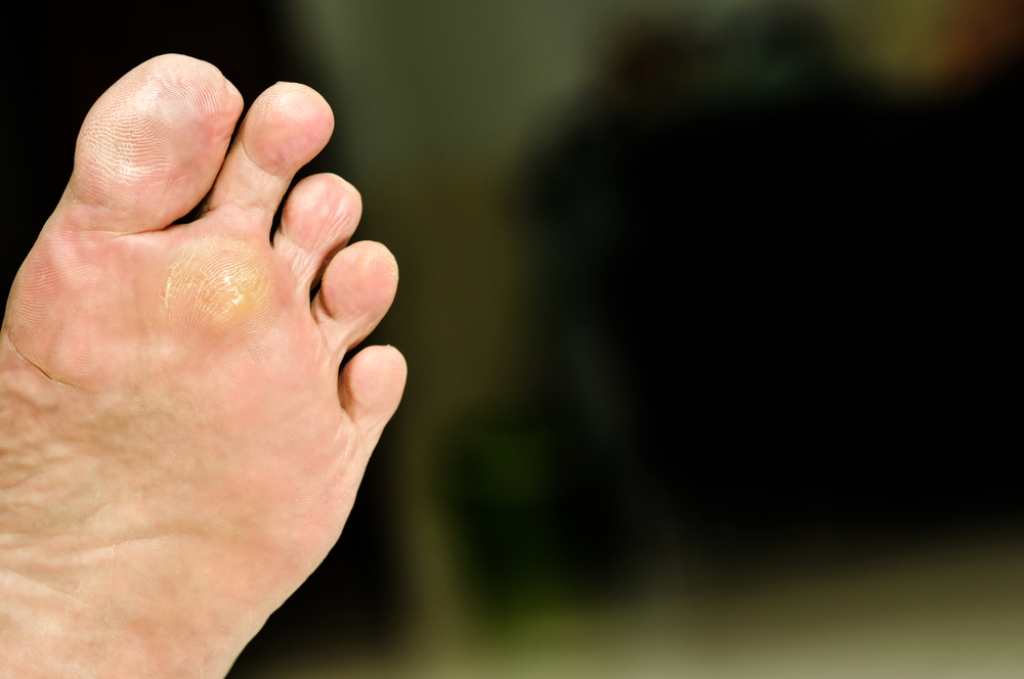
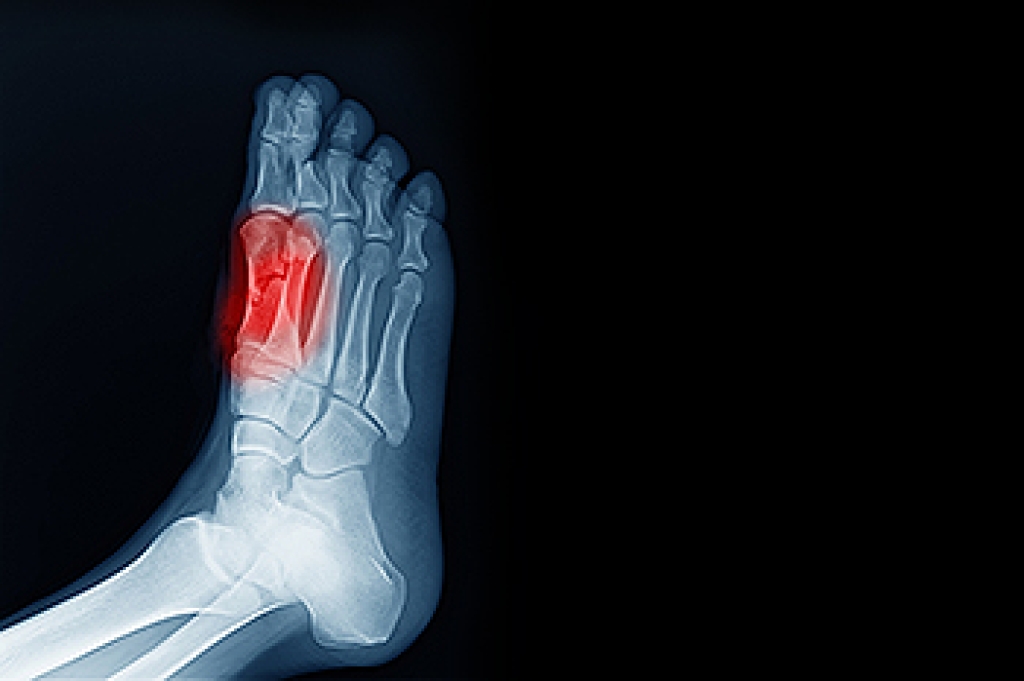
Sesamoiditis is the inflammation of the small sesamoid bones located beneath the big toe joint that help bear weight and support movement. This condition often develops in athletes, dancers, or anyone placing repeated stress on the ball of the foot. Risk factors include high-impact activities, wearing improper footwear, and foot structure abnormalities. Pain is typically felt under the big toe, especially when walking, running, or bending the toe. Symptoms may include swelling, tenderness, and difficulty pushing off the foot. A podiatrist can provide customized treatment such as rest strategies, orthotics, and targeted exercises. If you have pain in this part of your foot, it is suggested you schedule an appointment with a podiatrist who can accurately diagnose and treat what may be going on.

Sesamoiditis is an unpleasant foot condition characterized by pain in the balls of the feet. If you think you’re struggling with sesamoiditis, contact Yacara Tabb, DPM of Optimum Foot Care. Our doctor will treat your condition thoroughly and effectively.

Sesamoiditis

Sesamoiditis is a condition of the foot that affects the ball of the foot. It is more common in younger people than it is in older people. It can also occur with people who have begun a new exercise program, since their bodies are adjusting to the new physical regimen. Pain may also be caused by the inflammation of tendons surrounding the bones. It is important to seek treatment in its early stages because if you ignore the pain, this condition can lead to more serious problems such as severe irritation and bone fractures.

Causes of Sesamoiditis

  • Sudden increase in activity
  • Increase in physically strenuous movement without a proper warm up or build up
  • Foot structure: those who have smaller, bonier feet or those with a high arch may be more susceptible

Treatment for sesamoiditis is non-invasive and simple. Doctors may recommend a strict rest period where the patient forgoes most physical activity. This will help give the patient time to heal their feet through limited activity. For serious cases, it is best to speak with your doctor to determine a treatment option that will help your specific needs.

If you have any questions, please feel free to contact our office located in Slidell, LA . We offer the newest diagnostic and treatment technologies for all your foot care needs.
Read more about Sesamoiditis

Keep Your Feet Healthy So You Can Stay Active

Have your feet inspected by a professional before starting a new sport or physical activity. Taking charge of your foot health will keep you in good physical condition and can help you avoid a potential injury, such as a fracture or sprained ankle.

Prevent injuries and see a foot specialist.

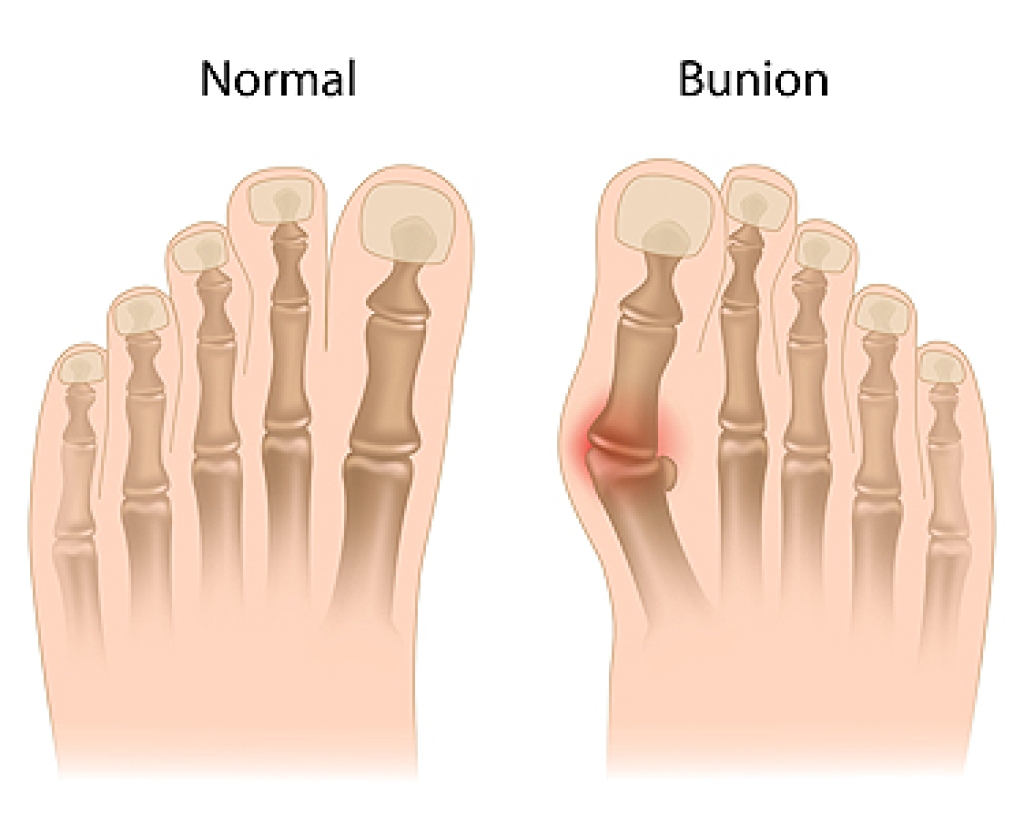
What Can Cause a Bunion to Develop?

A small bump on the side of the big toe may be indicative of a bunion. This protrusion can become larger, and it may push the other toes closer to each other. Probable causes of a developing bunion can include genetics and wearing shoes that do not have adequate room for the toes to move freely in. Additionally, existing medical conditions such as certain types of arthritis may cause a bunion, or it may develop as a result of repetitive stress on the front of the foot. A bunion may cause difficulty in walking, and the foot may feel painful and stiff. There are effective methods that can be implemented which may help to manage bunion symptoms. Many patients find mild relief when there is ample room in the shoes that are worn, or from using a bunion pad or wearing custom made orthotics. If you notice a bunion that is beginning to form, it is recommended that you schedule a consultation with a podiatrist who can offer you the correct treatment options.

If you are suffering from bunion pain, contact Yacara Tabb, DPM of Optimum Foot Care. Our doctor can provide the care you need to keep you pain-free and on your feet.

What Is a Bunion?

Bunions are painful bony bumps that usually develop on the inside of the foot at the joint of the big toe. As the deformity increases over time, it may become painful to walk and wear shoes. Women are more likely to exacerbate existing bunions since they often wear tight, narrow shoes that shift their toes together. Bunion pain can be relieved by wearing wider shoes with enough room for the toes.

Causes

  • Genetics – some people inherit feet that are more prone to bunion development
  • Inflammatory Conditions - rheumatoid arthritis and polio may cause bunion development

Symptoms

  • Redness and inflammation
  • Pain and tenderness
  • Callus or corns on the bump
  • Restricted motion in the big toe

In order to diagnose your bunion, your podiatrist may ask about your medical history, symptoms, and general health. Your doctor might also order an x-ray to take a closer look at your feet. Nonsurgical treatment options include orthotics, padding, icing, changes in footwear, and medication. If nonsurgical treatments don’t alleviate your bunion pain, surgery may be necessary.

If you have any questions, please feel free to contact our office located in Slidell, LA . We offer the newest diagnostic and treatment technologies for all your foot care needs.
Read more about Bunions

Understanding Toe Pain From a Stubbed Toe

Toe pain is a common issue that can interfere with walking and daily activities. A stubbed toe occurs when the toe is forcefully hit against a hard surface, leading to bruising, swelling, or even fractures. The pain may be sharp at first and linger as the toe becomes inflamed. While most cases improve with rest, some injuries can be more severe and require medical attention. A podiatrist can determine if the toe is fractured, provide proper treatment, and help prevent long-term complications. If you have ongoing toe pain after stubbing your toe, it is suggested that you schedule an appointment with a podiatrist who can provide effective relief tips. 

Toe pain can disrupt your daily activities. If you have any concerns, contact Yacara Tabb, DPM of Optimum Foot Care. Our doctor can provide the care you need to keep you pain-free and on your feet.

What Causes Toe Pain?

Most severe toe pain is caused due to a sports injury, trauma from dropping something heavy on the toe, or bumping into something rigid. Other problems can develop over time for various reasons.

Toe pain can be caused by one or more ailments. The most common include:

  • Trauma
  • Sports injury
  • Wearing shoes that are too tight
  • Arthritis
  • Gout
  • Corns and calluses
  • Hammertoe
  • Bunions
  • Blisters
  • Ingrown toenails
  • Sprains
  • Fractures (broken bones)
  • Dislocations

When to See a Podiatrist

  • Severe pain
  • Persistent pain that lasts more than a week
  • Signs of infection
  • Continued swelling
  • Pain that prevents walking

Diagnosis

In many cases the cause of toe pain is obvious, but in others, a podiatrist may want to use more advanced methods to determine the problem. These can range from simple visual inspections and sensation tests to X-rays and MRI scans. Prior medical history, family medical history, and any recent physical traumatic events will all be taken into consideration for a proper diagnosis.

Treatment

Treatments for toe pain and injuries vary and may include shoe inserts, padding, taping, medicines, injections, and in some cases, surgery. If you believe that you have broken a toe, please see a podiatrist as soon as possible.

If you have any questions please contact our office located in Slidell, LA . We offer the newest diagnostic and treatment technologies for all your foot and ankle needs.

Read more about Toe Pain

Podiatric Care for Your Ingrown Toenail

An ingrown toenail occurs when the edge of the nail grows into the surrounding skin, often causing pain, redness, swelling, and sometimes infection. Common causes include improper nail trimming, wearing tight footwear, or genetic factors. It may throb or feel tender, and can appear inflamed or filled with pus, if infected. The condition, which most frequently affects the big toe, may worsen without proper care. A podiatrist can diagnose an ingrown toenail through a physical examination and medical history. Depending on severity, treatment may include soaking instructions, lifting the nail edge, partial nail removal, or, in chronic cases, removing part of the nail root. Antibiotics might be prescribed if an infection is present. A podiatrist may also advise on proper foot hygiene and footwear to prevent recurrence. If you notice symptoms of an ingrown toenail, it is suggested that you schedule an appointment with a podiatrist to avoid complications, ensuring proper care.

Ingrown toenails may initially present themselves as a minor discomfort, but they may progress into an infection in the skin without proper treatment. For more information about ingrown toenails, contact Yacara Tabb, DPM of Optimum Foot Care. Our doctor can provide the care you need to keep you pain-free and on your feet.

Ingrown Toenails

Ingrown toenails are caused when the corner or side of a toenail grows into the soft flesh surrounding it. They often result in redness, swelling, pain, and in some cases, infection. This condition typically affects the big toe and may recur if it is not treated properly.

Causes

  • Improper toenail trimming
  • Genetics
  • Improper shoe fitting
  • Injury from pedicures or nail picking
  • Abnormal gait
  • Poor hygiene

You are more likely to develop an ingrown toenail if you are obese, have diabetes, arthritis, or have any fungal infection in your nails. Additionally, people who have foot or toe deformities are at a higher risk of developing an ingrown toenail.

Symptoms

Some symptoms of ingrown toenails are redness, swelling, and pain. In rare cases, there may be a yellowish drainage coming from the nail.

Treatment

Ignoring an ingrown toenail can have serious complications. Infections of the nail border can progress to a deeper soft-tissue infection, which can then turn into a bone infection. You should always speak with your podiatrist if you suspect you have an ingrown toenail, especially if you have diabetes or poor circulation.

If you have any questions, please feel free to contact our office located in Slidell, LA . We offer the newest diagnostic and treatment technologies for all your foot care needs.

Read more about Ingrown Toenails

Why Ankle Injuries Are Common in Football

Ankle injuries are among the most frequent problems faced by football players due to the fast pace, sudden direction changes, and physical contact involved in the game. These injuries often occur from twisting motions, tackles, or landing awkwardly after a jump. Risk factors include ankle instability, improper footwear, and playing on uneven surfaces. Prevention includes strengthening exercises, balance training, taping or bracing, and wearing supportive cleats. Despite precautions, injuries can still happen, and a podiatrist can provide expert evaluation, advanced treatments, and rehabilitation plans to restore function and prevent re-injury. If you have suffered an ankle injury playing football, it is suggested that you consult a podiatrist who can provide an accurate diagnosis and treatment.

Ankle and foot injuries are common among athletes and in many sports. They can be caused by several problems and may be potentially serious. If you are feeling pain or think you were injured in a sporting event or when exercising, consult with Yacara Tabb, DPM from Optimum Foot Care. Our doctor will assess your condition and provide you with quality foot and ankle treatment.

Common Injuries

The most common injuries that occur in sporting activities include:

  • Achilles Tendonitis
  • Achilles Tendon Rupture
  • Ankle Sprains
  • Broken Foot
  • Plantar Fasciitis
  • Stress Fractures
  • Turf Toe

Symptoms

Symptoms vary depending upon the injury and in some cases, there may be no symptoms at all. However, in most cases, some form of symptom is experienced. Pain, aching, burning, bruising, tenderness, tightness or stiffness, sensation loss, difficulty moving, and swelling are the most common symptoms.

Treatment

Just as symptoms vary depending upon the injury, so do treatment options. A common treatment method is known as the RICE method. This method involves rest, applying ice, compression and elevating the afflicted foot or ankle. If the injury appears to be more serious, surgery might be required, such as arthroscopic or reconstructive surgery. Lastly, rehabilitation or therapy might be needed to gain full functionality in the afflicted area. Any discomfort experienced by an athlete must be evaluated by a licensed, reputable medical professional.  

If you have any questions please contact our office located in Slidell, LA . We offer the newest diagnostic and treatment technologies for all your foot and ankle needs.

Read more about Sports Related Foot And Ankle Injuries

Different Types of Flat Feet

Flat feet occur when the arches of the feet collapse or fail to develop properly. Variants include flexible flat feet, where the arch appears when not standing, rigid flat feet with no visible arch, adult acquired flat feet that develop over time, and vertical talus, a rare congenital condition, causing a “rocker-bottom” appearance of the foot. Causes may involve genetics, injury, arthritis, or muscle and tendon dysfunction. Symptoms include foot pain, swelling, and difficulty standing or walking for long periods. A podiatrist can assess the type of flat feet you have, provide custom orthotics, recommend strengthening exercises, and address any underlying conditions. If flat feet are causing discomfort or mobility issues, it is suggested that you consult a podiatrist who can offer effective relief and management tips.

Flatfoot is a condition many people suffer from. If you have flat feet, contact Yacara Tabb, DPM from Optimum Foot Care. Our doctor will treat your foot and ankle needs.

What Are Flat Feet?

Flatfoot is a condition in which the arch of the foot is depressed and the sole of the foot is almost completely in contact with the ground. About 20-30% of the population generally has flat feet because their arches never formed during growth.

Conditions & Problems:

Having flat feet makes it difficult to run or walk because of the stress placed on the ankles.

Alignment – The general alignment of your legs can be disrupted, because the ankles move inward which can cause major discomfort.

Knees – If you have complications with your knees, flat feet can be a contributor to arthritis in that area.  

Symptoms

  • Pain around the heel or arch area
  • Trouble standing on the tip toe
  • Swelling around the inside of the ankle
  • Flat look to one or both feet
  • Having your shoes feel uneven when worn

Treatment

If you are experiencing pain and stress on the foot you may weaken the posterior tibial tendon, which runs around the inside of the ankle. 

If you have any questions, please feel free to contact our office located in Slidell, LA . We offer the newest diagnostic and treatment technologies for all your foot care needs.
Read more about Flat Feet

We Can Treat Your Foot or Ankle Pain

Foot or ankle pain can negatively affect your day-to-day life and can occur due to several different conditions. Pain can also be an indicator of a more serious underlying condition, which is why you should seek professional help as soon as you notice any abnormalities in your feet.

Page 1 of 3

scroll to top