
Causes of Swollen Feet During Pregnancy

Swollen feet in pregnancy are very common and often occur when the body holds extra fluid and pressure increases on the veins in the legs. Hormonal changes, warm weather, and standing for long periods of time can make swelling worse and may lead to discomfort or a heavy feeling in the feet and ankles. Preventing swelling can include drinking plenty of water, staying active with gentle movement, and avoiding long periods of standing or sitting in one position. Wearing supportive shoes can also make a difference. A podiatrist can assess your feet, recommend safe ways to manage swelling, and provide guidance on footwear and orthotics that improve comfort. If swelling from pregnancy is affecting your daily routine, it is suggested that you schedule an appointment with a podiatrist who can offer effective relief tips.

Pregnant women with swollen feet can be treated with a variety of different methods that are readily available. For more information about other cures for swollen feet during pregnancy, consult with Yacara Tabb, DPM from Optimum Foot Care. Our doctor will attend to all of your foot and ankle needs.

What Foot Problems Can Arise During Pregnancy?

One problem that can occur is overpronation, which occurs when the arch of the foot flattens and tends to roll inward.  This can cause pain and discomfort in your heels while you’re walking or even just standing up, trying to support your baby.  

Another problem is edema, or swelling in the extremities. This often affects the feet during pregnancy but tends to occur in the later stages. 

How Can I Keep My Feet Healthy During Pregnancy?

  • Wearing orthotics can provide extra support for the feet and help distribute weight evenly
  • Minimize the amount of time spent walking barefoot
  • Wear shoes with good arch support
  • Wear shoes that allow for good circulation to the feet
  • Elevate feet if you experience swelling
  • Massage your feet
  • Get regular, light exercise, such as walking, to promote blood circulation to the feet

If you have any questions, please feel free to contact our office located in Slidell, LA . We offer the newest diagnostic and treatment technologies for all your foot care needs.
Read more about Pregnancy and Foot Health

Dealing With Severe Athlete’s Foot

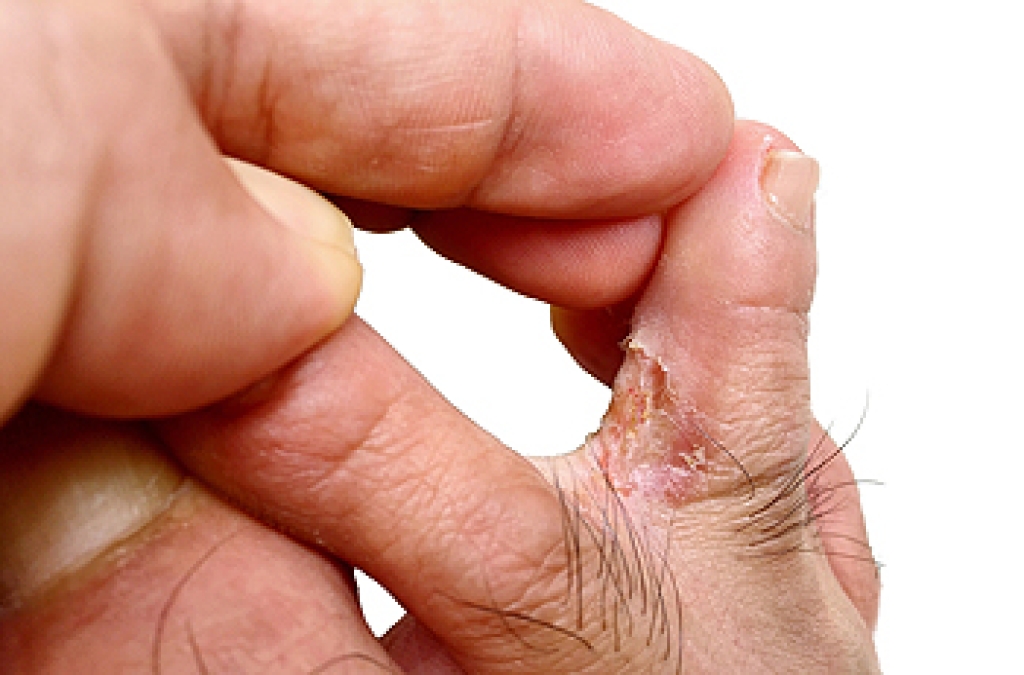
Severe athlete's foot occurs when the fungal infection causing it extends beyond the toes and affects the entire foot. This condition can result in intense itching, redness, and discomfort, often accompanied by painful blisters called vesicles, or open, pitted sores on the skin. The skin may peel, crack, or become inflamed, making it difficult to walk or wear shoes. The infection can also spread to the toenails or other areas of the foot, leading to a more persistent and severe condition. The cause of severe athlete's foot is a fungal infection that thrives in warm, moist environments. Poor foot hygiene, sweaty socks, tight shoes, and walking barefoot in certain public places can increase the risk of becoming infected. Symptoms often worsen with movement or activity, causing a burning or stinging sensation. A podiatrist can provide treatment by prescribing antifungal medication or oral treatments. They may also recommend proper foot care techniques to prevent reinfection and address any complications. If you are dealing with severe athlete’s foot, it is suggested that you make an appointment with a podiatrist for a proper diagnosis and treatment.

Athlete’s foot is an inconvenient condition that can be easily reduced with the proper treatment. If you have any concerns about your feet and ankles, contact Yacara Tabb, DPM from Optimum Foot Care.  Our doctor will treat your foot and ankle needs.

Athlete’s Foot: The Sole Story

Athlete's foot, also known as tinea pedis, can be an extremely contagious foot infection. It is commonly contracted in public changing areas and bathrooms, dormitory style living quarters, around locker rooms and public swimming pools, or anywhere your feet often come into contact with other people.

Solutions to Combat Athlete’s Foot

  • Hydrate your feet by using lotion
  • Exfoliate
  • Buff off nails
  • Use of anti-fungal products
  • Examine your feet and visit your doctor if any suspicious blisters or cuts develop

Athlete’s foot can cause many irritating symptoms such as dry and flaking skin, itching, and redness. Some more severe symptoms can include bleeding and cracked skin, intense itching and burning, and even pain when walking. In the worst cases, Athlete’s foot can cause blistering as well. Speak to your podiatrist for a better understanding of the different causes of Athlete’s foot, as well as help in determining which treatment options are best for you.

If you have any questions please feel free to contact our office located in Slidell, LA . We offer the newest diagnostic and treatment technologies for all your foot and ankle needs.

Read more about Athlete's Foot

Causes of Foot Corns

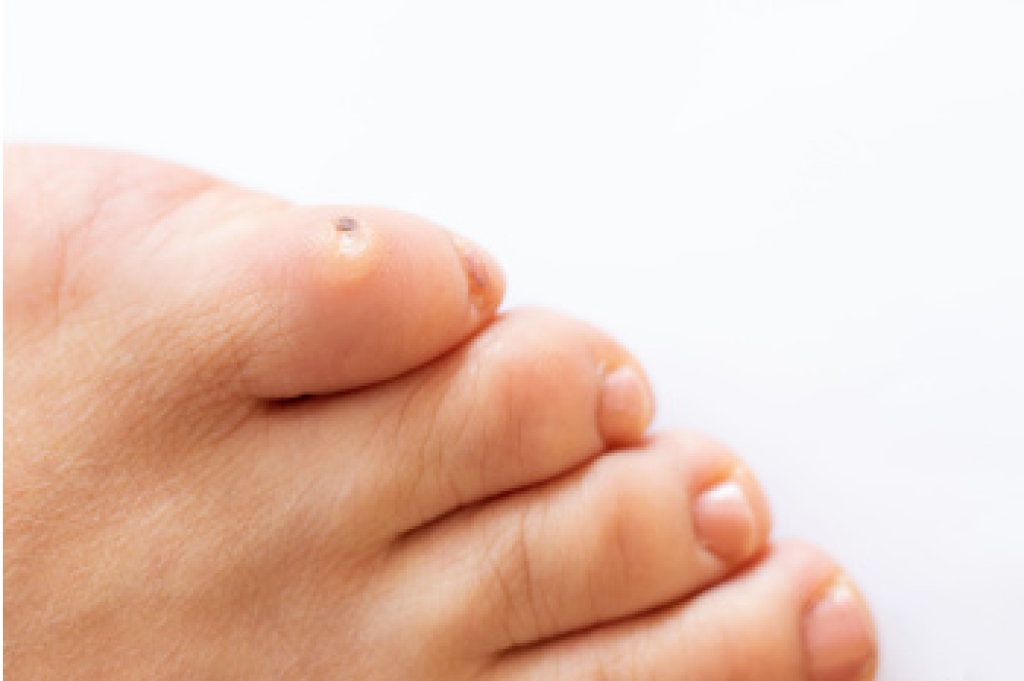
A foot corn is a thickened area of skin that forms in response to pressure or friction, usually on the toes or sides of the feet. Corns often develop from mechanical stress caused by ill-fitting shoes that rub against the skin or from abnormal foot structure that creates uneven pressure during walking. Symptoms include a hardened bump, tenderness, and pain while wearing shoes or standing for long periods of time. A podiatrist can identify the underlying cause, safely remove the corn, correct mechanical issues, and recommend proper footwear or custom inserts to prevent it from returning. Corns can be painful. If you have developed a painful corn, it is suggested that you consult a podiatrist who can offer effective relief and prevention tips.

Corns can make walking very painful and should be treated immediately. If you have questions regarding your feet and ankles, contact Yacara Tabb, DPM of Optimum Foot Care. Our doctor will treat your foot and ankle needs.

Corns: What Are They? And How Do You Get Rid of Them?
Corns are thickened areas on the skin that can become painful. They are caused by excessive pressure and friction on the skin. Corns press into the deeper layers of the skin and are usually round in shape.

Ways to Prevent Corns
There are many ways to get rid of painful corns such as:

  • Wearing properly fitting shoes that have been measured by a professional
  • Wearing shoes that are not sharply pointed or have high heels
  • Wearing only shoes that offer support

Treating Corns

Although most corns slowly disappear when the friction or pressure stops, this isn’t always the case. Consult with your podiatrist to determine the best treatment option for your case of corns.

If you have any questions, please feel free to contact our office located in Slidell, LA . We offer the newest diagnostic and treatment technologies for all your foot care needs.
Read more about Understanding Corns and Calluses

Morton’s Neuroma and How to Find Relief

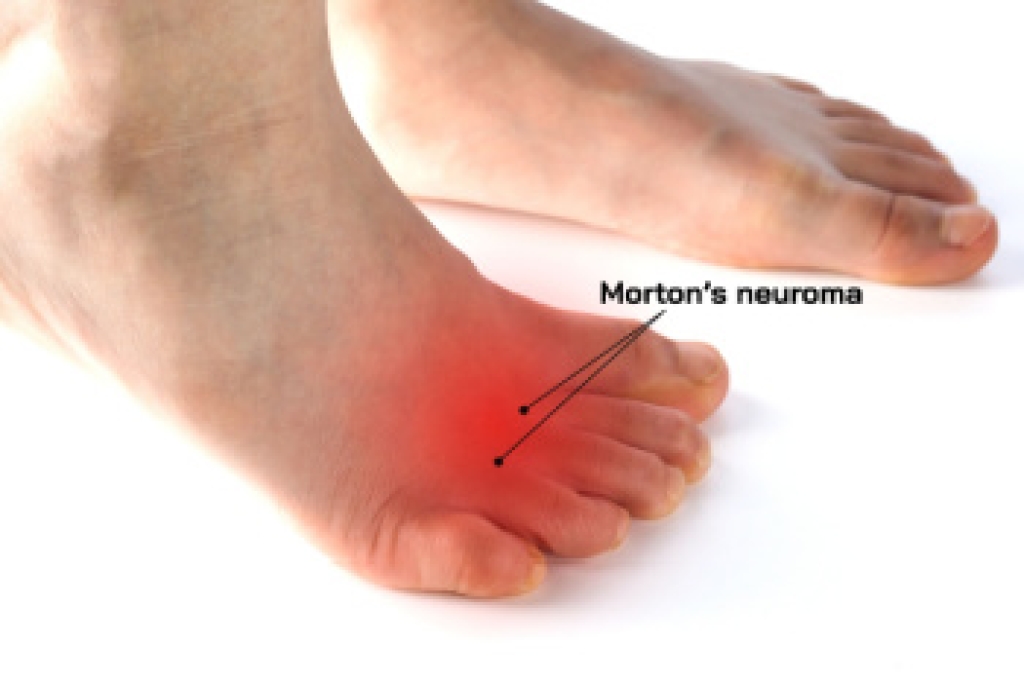
Morton’s neuroma is a painful condition caused by thickening of the tissue surrounding a nerve between the toes. It often develops from repeated pressure on the forefoot and is linked to wearing tight shoes, having flat feet, bunions, or high foot arches. This pressure irritates the nerve and leads to symptoms such as toe cramping, burning sensations, or sharp pain between the third and fourth toes. Many people describe the feeling as walking on a pebble. A podiatrist can diagnose the condition, provide custom padding or orthotics, recommend better footwear, and offer treatments that reduce inflammation and discomfort. If you have any of these symptoms, it is suggested that you consult a podiatrist who can offer effective relief and treatment solutions.

Morton’s neuroma is a very uncomfortable condition to live with. If you think you have Morton’s neuroma, contact Yacara Tabb, DPM of Optimum Foot Care. Our doctor will attend to all of your foot care needs and answer any of your related questions.  

Morton’s Neuroma

Morton's neuroma is a painful foot condition that commonly affects the areas between the second and third or third and fourth toe, although other areas of the foot are also susceptible. Morton’s neuroma is caused by an inflamed nerve in the foot that is being squeezed and aggravated by surrounding bones.

What Increases the Chances of Having Morton’s Neuroma?

  • Ill-fitting high heels or shoes that add pressure to the toe or foot
  • Jogging, running or any sport that involves constant impact to the foot
  • Flat feet, bunions, and any other foot deformities

Morton’s neuroma is a very treatable condition. Orthotics and shoe inserts can often be used to alleviate the pain on the forefront of the feet. In more severe cases, corticosteroids can also be prescribed. In order to figure out the best treatment for your neuroma, it’s recommended to seek the care of a podiatrist who can diagnose your condition and provide different treatment options.

If you have any questions, please feel free to contact our office located in Slidell, LA . We offer the newest diagnostic and treatment technologies for all your foot care needs.

Read more about Morton's Neuroma

Recognizing Complications of Plantar Fasciitis

Plantar fasciitis often begins with a sharp heel pain that is strongest during the first steps of the day, but ignoring these early symptoms can lead to further complications. When the fascia, the band of fibrous tissue in the sole of the foot running from the heel to the toes, remains irritated over time, the body may respond by developing a heel spur, which can add to discomfort while standing and walking. People may also change the way they move to avoid pain, placing extra stress on the ankles, knees, hips, or back. This shift can create new areas of soreness and make daily activities feel more difficult. Chronic inflammation may develop as well, making the heel tender even with mild activity. Early care can prevent these issues. A podiatrist can confirm the diagnosis, provide targeted treatment, and guide recovery before complications progress. If your heel pain is becoming more persistent or affecting movement, it is suggested that you see a podiatrist for proper care.

Plantar fasciitis is a common foot condition that is often caused by a strain injury. If you are experiencing heel pain or symptoms of plantar fasciitis, contact Yacara Tabb, DPM from Optimum Foot Care. Our doctor can provide the care you need to keep you pain-free and on your feet.

What Is Plantar Fasciitis?

Plantar fasciitis is one of the most common causes of heel pain. The plantar fascia is a ligament that connects your heel to the front of your foot. When this ligament becomes inflamed, plantar fasciitis is the result. If you have plantar fasciitis you will have a stabbing pain that usually occurs with your first steps in the morning. As the day progresses and you walk around more, this pain will start to disappear, but it will return after long periods of standing or sitting.

What Causes Plantar Fasciitis?

  • Excessive running
  • Having high arches in your feet
  • Other foot issues such as flat feet
  • Pregnancy (due to the sudden weight gain)
  • Being on your feet very often

There are some risk factors that may make you more likely to develop plantar fasciitis compared to others. The condition most commonly affects adults between the ages of 40 and 60. It also tends to affect people who are obese because the extra pounds result in extra stress being placed on the plantar fascia.

Prevention

  • Take good care of your feet – Wear shoes that have good arch support and heel cushioning.
  • Maintain a healthy weight
  • If you are a runner, alternate running with other sports that won’t cause heel pain

There are a variety of treatment options available for plantar fasciitis along with the pain that accompanies it. Additionally, physical therapy is a very important component in the treatment process. It is important that you meet with your podiatrist to determine which treatment option is best for you.

If you have any questions, please feel free to contact our office located in Slidell, LA . We offer the newest diagnostic and treatment technologies for all your foot care needs.
 

Read more about Plantar Fasciitis
scroll to top