Diabetic Foot Ulcers and the Importance of Early Care

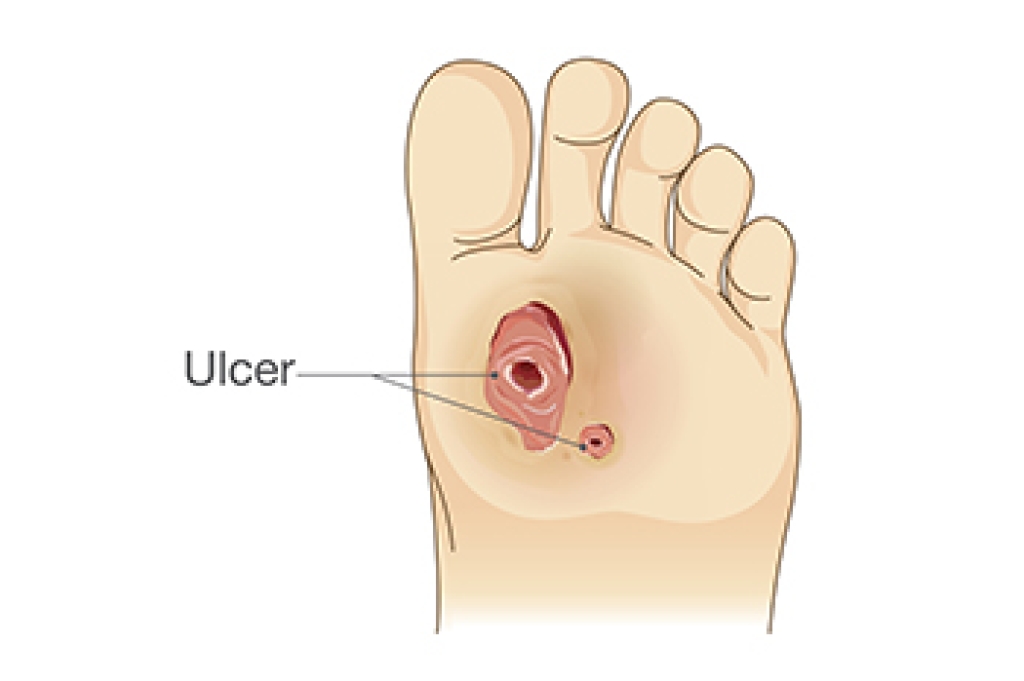
A diabetic foot ulcer is an open sore or wound that develops on the foot due to complications of diabetes, often related to poor circulation and nerve damage. Symptoms include redness, drainage, swelling, and slow-healing tissue. Risk factors include prolonged pressure, reduced sensation, and untreated minor injuries. Without proper care, these ulcers can worsen and lead to infection. Treatment often involves debridement to remove damaged tissue and pressure relief to protect the affected area and support healing. A podiatrist plays a key role in managing such wounds, improving circulation, and preventing complications. If you have diabetes and have developed a foot ulcer, it is strongly suggested that you are under the care of a podiatrist who can effectively treat foot wounds and help you to manage this serious condition.

Wound care is an important part in dealing with diabetes. If you have diabetes and a foot wound or would like more information about wound care for diabetics, consult with Yacara Tabb, DPM from Optimum Foot Care. Our doctor will assess your condition and provide you with quality foot and ankle treatment.

What Is Wound Care?

Wound care is the practice of taking proper care of a wound. This can range from the smallest to the largest of wounds. While everyone can benefit from proper wound care, it is much more important for diabetics. Diabetics often suffer from poor blood circulation which causes wounds to heal much slower than they would in a non-diabetic. 

What Is the Importance of Wound Care?

While it may not seem apparent with small ulcers on the foot, for diabetics, any size ulcer can become infected. Diabetics often also suffer from neuropathy, or nerve loss. This means they might not even feel when they have an ulcer on their foot. If the wound becomes severely infected, amputation may be necessary. Therefore, it is of the upmost importance to properly care for any and all foot wounds.

How to Care for Wounds

The best way to care for foot wounds is to prevent them. For diabetics, this means daily inspections of the feet for any signs of abnormalities or ulcers. It is also recommended to see a podiatrist several times a year for a foot inspection. If you do have an ulcer, run the wound under water to clear dirt from the wound; then apply antibiotic ointment to the wound and cover with a bandage. Bandages should be changed daily and keeping pressure off the wound is smart. It is advised to see a podiatrist, who can keep an eye on it.

If you have any questions please contact our office located in Slidell, LA . We offer the newest diagnostic and treatment technologies for all your foot and ankle needs.
Read more about Wound Care

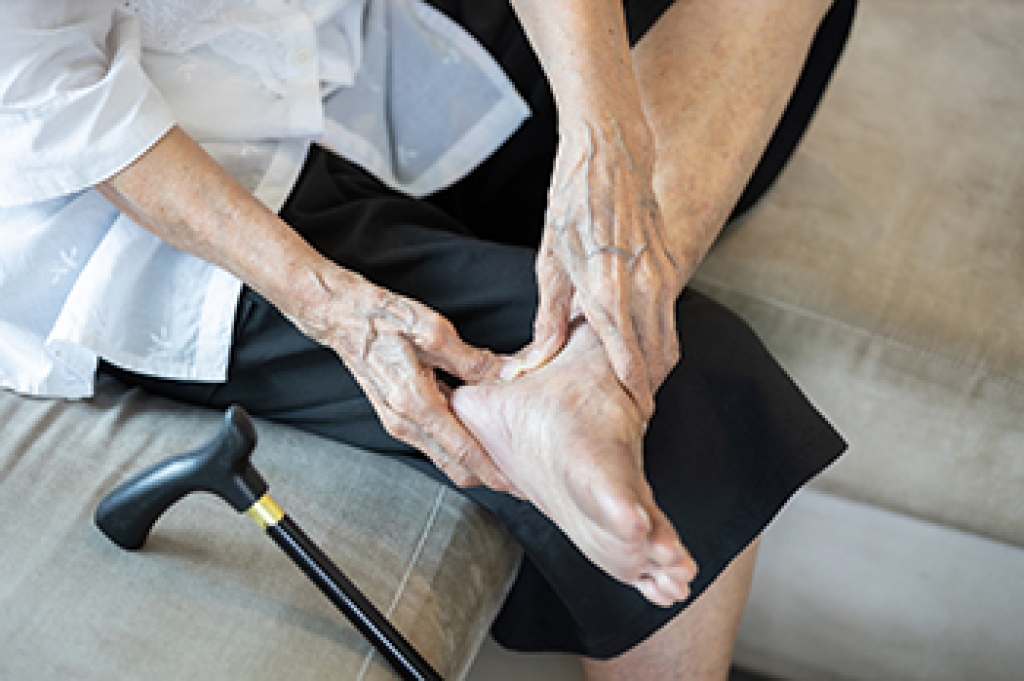
Healthy Feet Matter More With Age

Foot care becomes especially important as people grow older because the skin, joints, and circulation of the feet can change over time. Small problems such as dry skin, thick nails, or poorly fitting shoes can quickly turn into painful conditions if they are not addressed early. Maintaining healthy feet helps support balance, mobility, and independence. One of the most important steps is wearing properly fitting shoes that provide support, cushioning, and enough room for the toes. Shoes that are too tight or worn out can lead to pressure points, blisters, or joint pain. Daily hygiene is also essential. Feet should be washed with mild soap, dried carefully between the toes, and moisturized to prevent cracking skin. Toenails should be trimmed straight across and not cut too short to help avoid ingrown nails. Regular foot checks are helpful for noticing redness, swelling, or skin changes early. If you are experiencing foot discomfort or changes in your feet, it is suggested that you make an appointment with a podiatrist.

If you need your feet checked, contact Yacara Tabb, DPM of Optimum Foot Care. Our doctor will attend to all of your foot and ankle needs and provide you with quality treatment.

Geriatrics and Podiatry
When people age, some common issues that may occur are bone density loss, dry skin, poor circulation, and rough brittle nails. These issues may also affect your foot health if the necessary steps are not taken to alleviate the problems.

It is important to take care of your feet because feet that are injured or diseased can affect your overall health. Having painful feet hinders your ability to do daily activities or may decrease your willingness to do the things that you need to do.

Visiting Your Geriatrician
As we age, health problems become more likely, so it is essential to visit your doctor for check-ups to ensure that you are doing the best you can to take care of your health. It is recommended to check your feet frequently for any possible cuts, bruises, swelling, corns or any other irregularities. 

Taking Care of Elderly Feet
Cracked or dry feet can be treated by applying moisturizer often. It is also important not to wear old socks because the older the sock is, the higher the possibility there will be that there is bacteria there. Wear fresh socks and make sure they fit properly.

Proper foot health means that you can have a more active lifestyle and you will not be bogged down by pain. Foot health also leads to good circulation, which is paramount for overall health.

If you have any questions, please feel free to contact our office located in Slidell, LA . We offer the newest diagnostic and treatment technologies for all your foot care needs.

Read more about Elderly and their Feet

What Causes Heel Spurs?

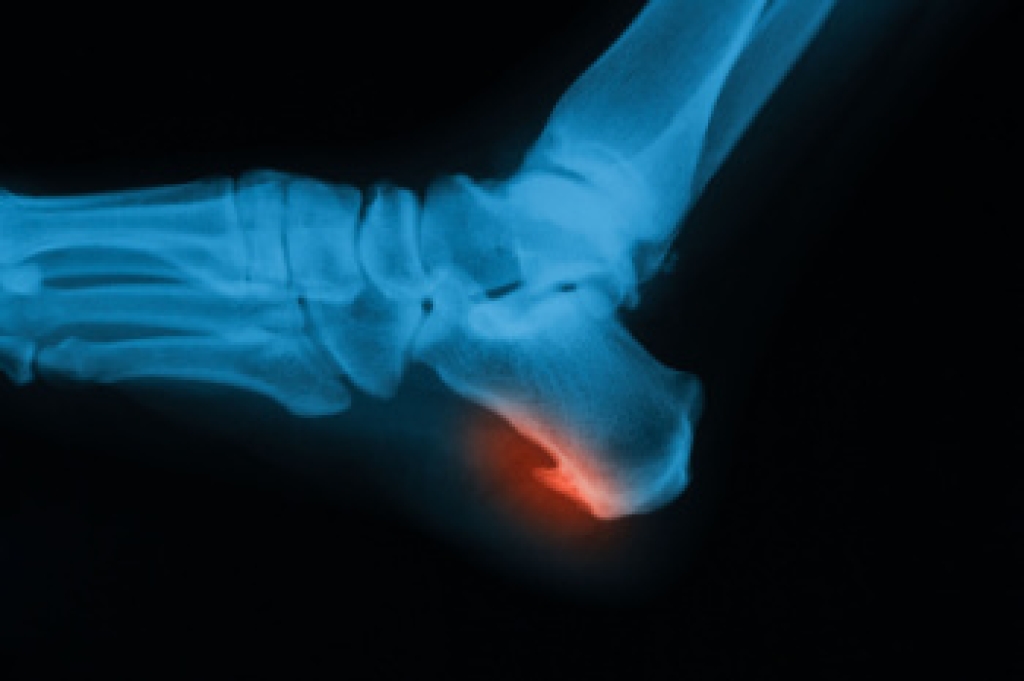
Heel spurs are bony growths that form on the calcaneus, or heel bone, after long-term stress or irritation. These spurs often develop when repeated pulling from tight soft tissue at the back of the ankle places strain on the bone. Eventually, the body responds by laying down excess calcium, creating a pointed growth that looks like a spur. Heel spurs can form underneath the heel or at the back, sometimes causing a visible lump. Symptoms include sharp pain with the first steps in the morning, a lingering dull ache during the day, stiffness, numbness, or thickened skin from friction. A podiatrist can assess foot alignment, evaluate walking patterns, and order X-rays to confirm the diagnosis. Treatment options include custom orthotics, bracing, anti-inflammatory care, or surgery when necessary. If you have pain from heel spurs that affect daily activities, it is suggested that you make an appointment with a podiatrist for an exam, diagnosis, and treatment.

Heel spurs can be incredibly painful and sometimes may make you unable to participate in physical activities. To get medical care for your heel spurs, contact Yacara Tabb, DPM from Optimum Foot Care. Our doctor will do everything possible to treat your condition.

Heels Spurs

Heel spurs are formed by calcium deposits on the back of the foot where the heel is. This can also be caused by small fragments of bone breaking off one section of the foot, attaching onto the back of the foot. Heel spurs can also be bone growth on the back of the foot and may grow in the direction of the arch of the foot.

Older individuals usually suffer from heel spurs and pain sometimes intensifies with age. One of the main condition's spurs are related to is plantar fasciitis.

Pain

The pain associated with spurs is often because of weight placed on the feet. When someone is walking, their entire weight is concentrated on the feet. Bone spurs then have the tendency to affect other bones and tissues around the foot. As the pain continues, the feet will become tender and sensitive over time.

Treatments

There are many ways to treat heel spurs. If one is suffering from heel spurs in conjunction with pain, there are several methods for healing. Medication, surgery, and herbal care are some options.

If you have any questions, please feel free to contact our office located in Slidell, LA . We offer the newest diagnostic and treatment technologies for all your foot care needs.

Read more about How to Treat Heel Spurs

Nerve Pain Can Signal a Deeper Problem

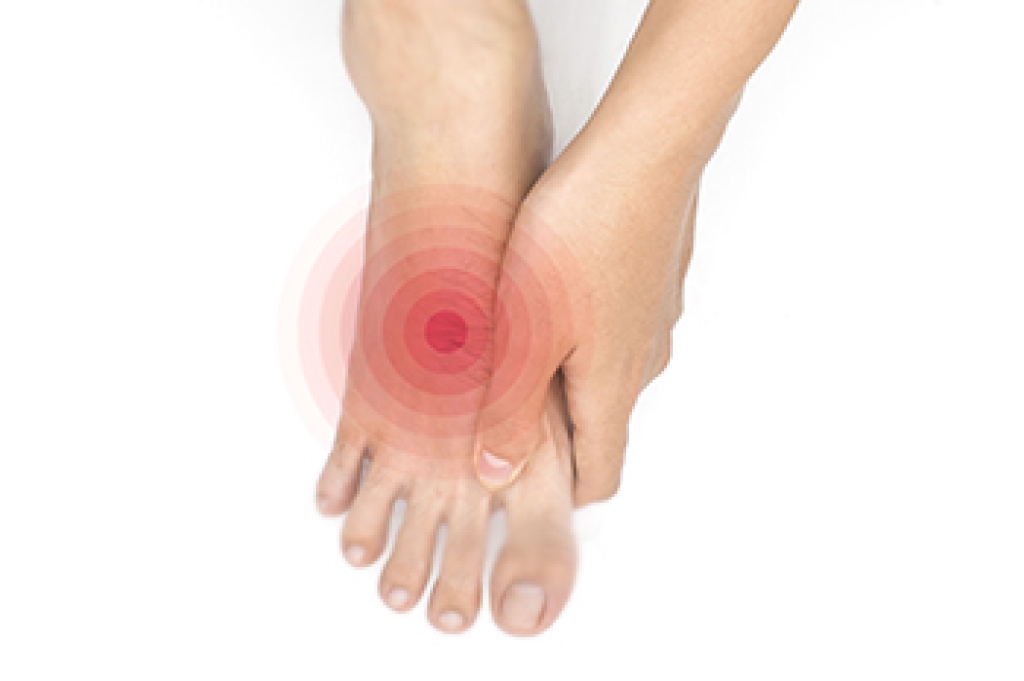
Nerve pain in the foot can feel sharp, burning, tingling, or electric, and it may point to neuropathy or Morton’s neuroma. Neuropathy often develops gradually, and may be linked to diabetes, injury, or other medical conditions. The feet can feel numb, weak, or overly sensitive, and symptoms are often noticed in both feet. In contrast, Morton’s neuroma involves thickening of tissue surrounding a nerve between the third and fourth toes. Along with shooting pain or tingling into the toes, patients often describe the sensation  as being similar to standing on a pebble. The area may look normal, but squeezing the forefoot can reproduce the discomfort. A podiatrist will perform a detailed examination and may order imaging or nerve testing to determine the exact cause. Treatment can include custom orthotics, shoe changes, medication, or targeted procedures. If you have persistent nerve pain in the foot, it is suggested that you schedule an appointment with a podiatrist for an evaluation and appropriate care.

Neuropathy

Neuropathy can be a potentially serious condition, especially if it is left undiagnosed. If you have any concerns that you may be experiencing nerve loss in your feet, consult with Yacara Tabb, DPM from Optimum Foot Care. Our doctor will assess your condition and provide you with quality foot and ankle treatment for neuropathy.

What Is Neuropathy?

Neuropathy is a condition that leads to damage to the nerves in the body. Peripheral neuropathy, or neuropathy that affects your peripheral nervous system, usually occurs in the feet. Neuropathy can be triggered by a number of different causes. Such causes include diabetes, infections, cancers, disorders, and toxic substances.

Symptoms of Neuropathy Include:

  • Numbness
  • Sensation loss
  • Prickling and tingling sensations
  • Throbbing, freezing, burning pains
  • Muscle weakness

Those with diabetes are at serious risk due to being unable to feel an ulcer on their feet. Diabetics usually also suffer from poor blood circulation. This can lead to the wound not healing, infections occurring, and the limb may have to be amputated.

Treatment

To treat neuropathy in the foot, podiatrists will first diagnose the cause of the neuropathy. Figuring out the underlying cause of the neuropathy will allow the podiatrist to prescribe the best treatment, whether it be caused by diabetes, toxic substance exposure, infection, etc. If the nerve has not died, then it’s possible that sensation may be able to return to the foot.

Pain medication may be issued for pain. Electrical nerve stimulation can be used to stimulate nerves. If the neuropathy is caused from pressure on the nerves, then surgery may be necessary.

If you have any questions, please feel free to contact our office located in Slidell, LA . We offer the newest diagnostic and treatment technologies for all your foot care needs.

Read more about Neuropathy

Common Ice Skating Injuries in Children

Ice skating is a fun way for children to build balance and coordination, but the sport places repetitive stress on growing feet and ankles. Falls, tight or poorly fitted boots, and frequent jumping can lead to ankle sprains, tendon irritation, and painful bursitis around the heel or ankle bones. Friction inside the boot may also cause blisters or “lace bite” across the top of the foot. Over time, pressure from narrow skates can contribute to bunions or hammertoes, while repeated impact during landings may result in stress fractures of the metatarsal bones. Because children’s bones are still developing, these problems can affect alignment and performance if not properly evaluated. A podiatrist can assess skating mechanics, examine footwear fit, diagnose structural problems, and provide medical care to relieve pain and prevent further injury. If your child encounters foot pain while ice skating, it is suggested that you make an appointment with a podiatrist for an exam, diagnosis, and treatment.

The health of a child’s feet is vital to their overall well-being. If you have any questions regarding foot health, contact Yacara Tabb, DPM of Optimum Foot Care. Our doctor can provide the care you need to keep you pain-free and on your feet.

Tips for Keeping Children's Feet Healthy

  • Make sure their shoes fit properly
  • Look for any signs of in-toeing or out-toeing
  • Check to see if they have Clubfoot (condition that affects your child’s foot and ankle, twisting the heel and toes inward) which is one of the most common nonmajor birth defects.
  • Lightly cover your baby’s feet (Tight covers may keep your baby from moving their feet freely, and could prevent normal development)
  • Allow your toddler to go shoeless (Shoes can be restricting for a young child’s foot)
  • Cut toenails straight across to avoid ingrown toenails
  • Keep your child’s foot clean and dry
  • Cover cuts and scrapes. Wash any scratches with soap and water and cover them with a bandage until they’ve healed.

If you have any questions, please feel free to contact our office located in Slidell, LA . We offer the newest diagnostic and treatment technologies for all your foot care needs.

Read more about How to Care for Your Child's Feet
Advanced Podiatric Procedures & Services in the areas