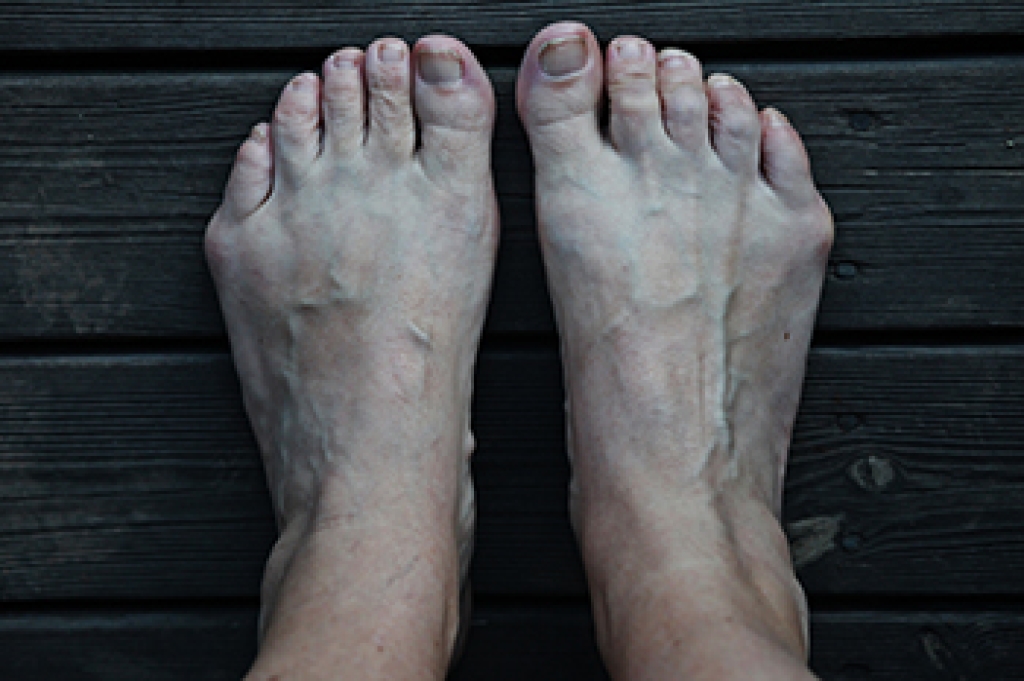
When a Painful Bump Develops Near the Little Toe

A tailor’s bunion, or bunionette, is a bony prominence that forms at the base of the little toe along the outer edge of the foot. It develops when the bone in this area shifts position or the surrounding tissue becomes irritated over time. Foot structure and genetics often play a role, and wearing narrow or tight shoes can worsen symptoms. People may notice redness, swelling, or a sore spot that rubs against footwear. Discomfort can increase with walking, standing, or wearing stiff shoes. Even mild cases may become painful if pressure continues. Although the bump may appear small, it can interfere with daily activities and shoe comfort. Early care focuses on reducing pressure to help prevent progression and ongoing irritation. Because symptoms can mimic other conditions, proper evaluation matters. If pain, swelling, or shoe irritation along the outer foot persists, it is suggested that you see a podiatrist for a diagnosis and appropriate treatment.

If you are suffering from bunion pain, contact Yacara Tabb, DPM of Optimum Foot Care. Our doctor can provide the care you need to keep you pain-free and on your feet.

What Is a Bunion?

Bunions are painful bony bumps that usually develop on the inside of the foot at the joint of the big toe. As the deformity increases over time, it may become painful to walk and wear shoes. Women are more likely to exacerbate existing bunions since they often wear tight, narrow shoes that shift their toes together. Bunion pain can be relieved by wearing wider shoes with enough room for the toes.

Causes

  • Genetics – some people inherit feet that are more prone to bunion development
  • Inflammatory Conditions - rheumatoid arthritis and polio may cause bunion development

Symptoms

  • Redness and inflammation
  • Pain and tenderness
  • Callus or corns on the bump
  • Restricted motion in the big toe

In order to diagnose your bunion, your podiatrist may ask about your medical history, symptoms, and general health. Your doctor might also order an x-ray to take a closer look at your feet. Nonsurgical treatment options include orthotics, padding, icing, changes in footwear, and medication. If nonsurgical treatments don’t alleviate your bunion pain, surgery may be necessary.

If you have any questions, please feel free to contact our office located in Slidell, LA . We offer the newest diagnostic and treatment technologies for all your foot care needs.
Read more about Bunions

Swelling in the Ankles and Feet

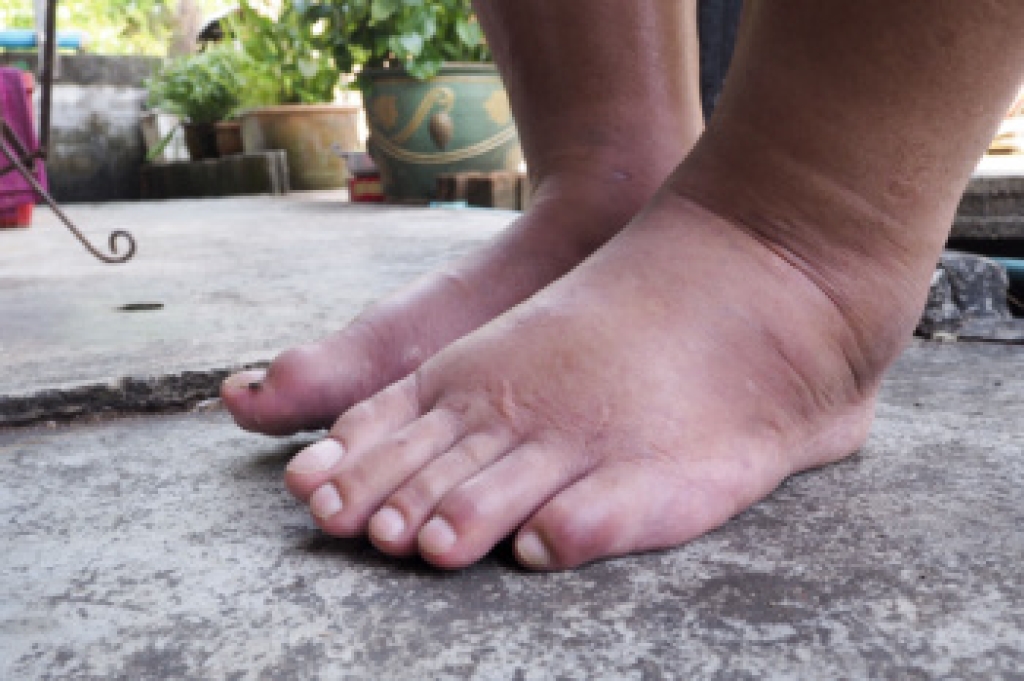
Swollen ankles and feet can develop for many reasons, ranging from simple fluid buildup after a long day to circulation problems, vein issues, medication effects, or conditions such as diabetes and arthritis. The swelling may feel tight, heavy, or warm, and shoes may suddenly feel snug. Some people notice puffiness that improves with rest, while others see persistent fullness that returns each day. Because the feet and ankles sit far from the heart, they are especially sensitive to changes in circulation and pressure. A podiatrist can evaluate the pattern of swelling, check skin and nail health, assess circulation, and identify whether the cause is mechanical, inflammatory, or related to an underlying medical condition. Treatment may include wearing supportive footwear, targeted compression, activity guidance, or wound care if the skin becomes affected. If swelling continues or begins to limit daily movement, it is suggested that you see a podiatrist for effective relief solutions.

Swollen feet can be a sign of an underlying condition. If you have any concerns, contact Yacara Tabb, DPM of Optimum Foot Care. Our doctor can provide the care you need to keep you pain-free and on your feet.

Swollen feet are a common ailment among pregnant women and people who stand or sit for extended periods. Aging may increase the possibility of swollen feet and patients who are obese often notice when their feet are swelling too. There may be medical reasons why swollen feet occur:

  • Phlebitis - A condition that causes the veins to become inflamed and can also cause leg pain.
  • Liver disease - This may lead to low blood levels of albumin which is a protein. This can cause fluid in the blood to pass into the tissues and several areas of the body can become swollen.
  • Heart failure - When the heart doesn’t pump properly the blood that is normally pumped back to the heart can pool in the veins of the legs causing swollen feet.
  • Kidney disease - One of the main functions of the kidneys is releasing excess fluid in the body. This type of condition can make it difficult for the kidneys to function properly, and as a result the feet may become swollen.
  • Deep-vein thrombosis (DVT)- This is a serious condition where blood clots form in the veins of the legs. They can block the return of blood from the legs to the heart which may cause the feet to swell. It is important to be treated by a podiatrist if this condition is present.

Swollen feet can also be caused by bone and tendon conditions, including fractures, arthritis, and tendinitis. Additionally, there may be skin and toenail conditions and an infection may cause the feet to swell. Patients who take medicine to treat high blood pressure may be prone to getting swollen feet. 

Many patients elevate their feet to help relieve the swelling and this is generally a temporary remedy. When a podiatrist is consulted the reason behind the swelling can be uncovered and subsequently treated.

If you have any questions please contact our office located in Slidell, LA . We offer the newest diagnostic and treatment technologies for all your foot and ankle needs.

Read more about Swelling of the Feet

Evaluating Foot Structure and Movement in People With Type 2 Diabetes

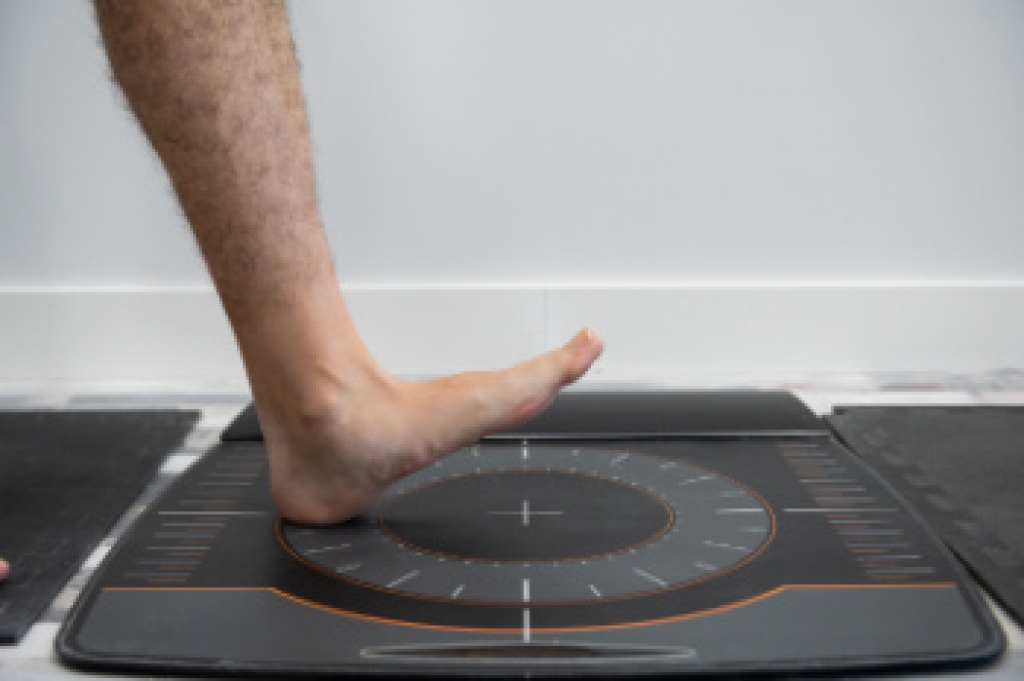
People living with type 2 diabetes often develop changes in the way their feet move and function, making regular evaluation essential. Over time, high blood sugar can affect nerves, soft tissues, and joint flexibility, which may alter foot shape or reduce natural motion. A podiatrist begins by observing how the foot bears weight, noting areas of pressure, instability, or collapse that may lead to pain or skin breakdown. Joint mobility is assessed through gentle movement of the toes, midfoot, and ankle to determine stiffness, laxity, or early deformities. These findings guide decisions about protective footwear, custom orthotics, and activity modifications to prevent complications. Understanding how the foot functions as a whole allows for earlier intervention and safer long-term mobility. To protect your foot health, it is suggested that you see a podiatrist regularly if you have type 2 diabetes.

If you have any concerns about your feet, contact Yacara Tabb, DPM from Optimum Foot Care. Our doctor can provide the care you need to keep you pain-free and on your feet.

Biomechanics in Podiatry

Podiatric biomechanics is a particular sector of specialty podiatry with licensed practitioners who are trained to diagnose and treat conditions affecting the foot, ankle and lower leg. Biomechanics deals with the forces that act against the body, causing an interference with the biological structures. It focuses on the movement of the ankle, the foot and the forces that interact with them.

A History of Biomechanics

  • Biomechanics dates back to the BC era in Egypt where evidence of professional foot care has been recorded.
  • In 1974, biomechanics gained a higher profile from the studies of Merton Root, who claimed that by changing or controlling the forces between the ankle and the foot, corrections or conditions could be implemented to gain strength and coordination in the area.

Modern technological improvements are based on past theories and therapeutic processes that provide a better understanding of podiatric concepts for biomechanics. Computers can provide accurate information about the forces and patterns of the feet and lower legs.

Understanding biomechanics of the feet can help improve and eliminate pain, stopping further stress to the foot.

If you have any questions please feel free to contact our office located in Slidell, LA . We offer the newest diagnostic and treatment technologies for all your foot and ankle needs.

Read more about The Importance of Biomechanics in Podiatry

Types of Diabetic Foot Problems

Diabetes is a chronic condition in which the body has difficulty regulating blood sugar, leading to changes that can affect the feet. Diabetic foot problems develop when nerve damage and poor circulation interfere with normal sensation and healing. Loss of feeling in the feet is common and may prevent awareness of cuts or pressure injuries. Changes in skin color or temperature can signal circulation issues, while fungal infections may develop more easily due to weakened skin defenses. Risk factors include long-standing diabetes, poor blood sugar control, smoking, improper footwear, and limited mobility. A podiatrist can help by performing routine foot exams, identifying early changes, treating infections, and providing guidance on proper foot care and footwear. Custom orthotics and preventive care can reduce pressure and protect the feet. If you have diabetes or notice numbness, skin changes, or infections, it is strongly suggested that you are under the care of a podiatrist who can help you to manage this serious condition.

Diabetic foot care is important in preventing foot ailments such as ulcers. If you are suffering from diabetes or have any other concerns about your feet, contact Yacara Tabb, DPM from Optimum Foot Care. Our doctor can provide the care you need to keep you pain-free and on your feet.

Diabetic Foot Care

Diabetes affects millions of people every year. The condition can damage blood vessels in many parts of the body, especially the feet. Because of this, taking care of your feet is essential if you have diabetes, and having a podiatrist help monitor your foot health is highly recommended.

The Importance of Caring for Your Feet

  • Routinely inspect your feet for bruises or sores.
  • Wear socks that fit your feet comfortably.
  • Wear comfortable shoes that provide adequate support.

Patients with diabetes should have their doctor monitor their blood levels, as blood sugar levels play such a huge role in diabetic care. Monitoring these levels on a regular basis is highly advised.

It is always best to inform your healthcare professional of any concerns you may have regarding your feet, especially for diabetic patients. Early treatment and routine foot examinations are keys to maintaining proper health, especially because severe complications can arise if proper treatment is not applied.

If you have any questions, please feel free to contact our office located in Slidell, LA . We offer the newest diagnostic and treatment technologies for all your foot care needs.

Read more about How to Care for Diabetic Foot
scroll to top