Recognizing the Symptoms of Gout

Gout is a form of inflammatory arthritis caused by a buildup of uric acid in the bloodstream, which then forms sharp crystals inside the joints. One of the most common and painful locations for a gout attack is the big toe. Symptoms include sudden and intense pain, swelling, redness, warmth, and tenderness in the joint. The big toe is especially vulnerable because it is the farthest joint from the heart, which can reduce efficient circulation, and it tends to be cooler than the rest of the body. Uric acid crystals form more easily in colder temperatures, making this joint a frequent target. Without proper care, repeated gout attacks can lead to joint damage. If your big toe is painful, it is suggested that you consult a podiatrist who can accurately diagnose the cause and provide appropriate treatment.

Gout is a painful condition that can be treated. If you are seeking treatment, contact Yacara Tabb, DPM from Optimum Foot Care. Our doctor will treat your foot and ankle needs.

What Is Gout?

Gout is a form of arthritis that is characterized by sudden, severe attacks of pain, redness, and tenderness in the joints. The condition usually affects the joint at the base of the big toe. A gout attack can occur at any random time, such as the middle of the night while you are asleep.

Symptoms

  • Intense Joint Pain - Usually around the large joint of your big toe, and it most severe within the first four to twelve hours
  • Lingering Discomfort - Joint discomfort may last from a few days to a few weeks
  • Inflammation and Redness -Affected joints may become swollen, tender, warm and red
  • Limited Range of Motion - May experience a decrease in joint mobility

Risk Factors

  • Genetics - If family members have gout, you’re more likely to have it
  • Medications - Diuretic medications can raise uric acid levels
  • Gender/Age - Gout is more common in men until the age of 60. It is believed that estrogen protects women until that point
  • Diet - Eating red meat and shellfish increases your risk
  • Alcohol - Having more than two alcoholic drinks per day increases your risk
  • Obesity - Obese people are at a higher risk for gout

Prior to visiting your podiatrist to receive treatment for gout, there are a few things you should do beforehand. If you have gout you should write down your symptoms--including when they started and how often you experience them, important medical information you may have, and any questions you may have. Writing down these three things will help your podiatrist in assessing your specific situation so that he or she may provide the best route of treatment for you.

If you have any questions, please feel free to contact our office located in Slidell, LA . We offer the newest diagnostic and treatment technologies for all your foot care needs.

Read more about Gout

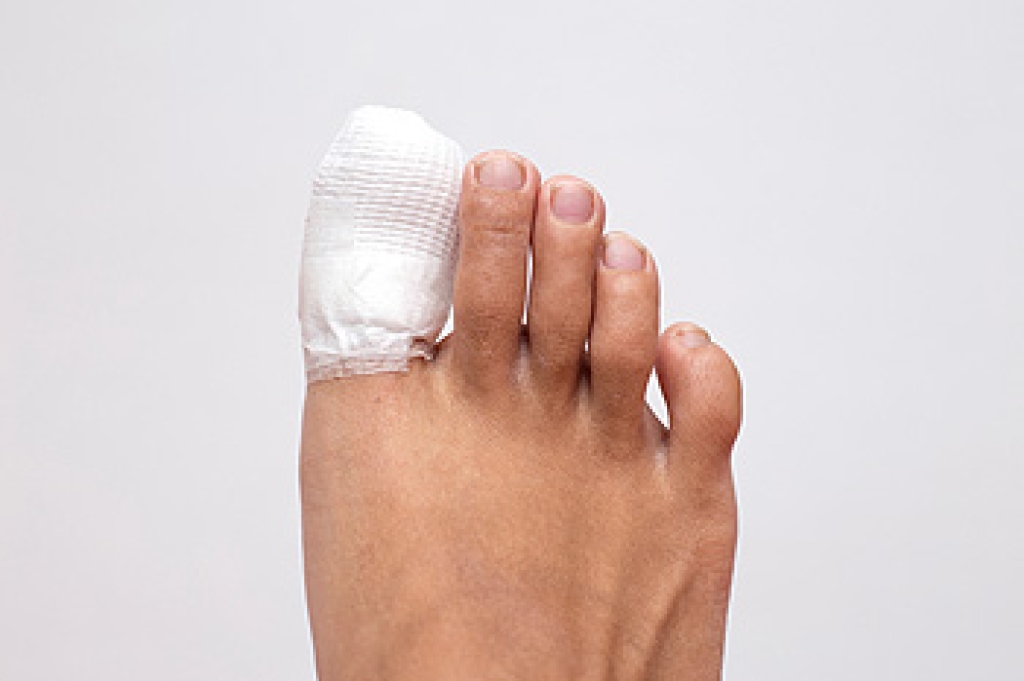
Treatment for a Stubbed Toe

A stubbed toe may seem minor, but the impact can affect bones, joints, nails, and surrounding soft tissue. Common problems include bruising, swelling, nail damage, ligament strain, or a fracture of one of the small toe bones. Pain that worsens with walking, visible deformity, numbness, or persistent swelling may signal a more serious injury. A podiatrist can evaluate the toe with a physical exam and imaging to determine whether a fracture, dislocation, or nail injury is present. Treatment may include immobilization, protective footwear, or taping techniques performed in the office. Nail care or management of inflammation and pain can also be addressed. Early assessment supports safer recovery. If you have pain from stubbing a toe, it is suggested that you make an appointment with a podiatrist for an exam, diagnosis, and treatment.

Toe pain can disrupt your daily activities. If you have any concerns, contact Yacara Tabb, DPM of Optimum Foot Care. Our doctor can provide the care you need to keep you pain-free and on your feet.

What Causes Toe Pain?

Most severe toe pain is caused due to a sports injury, trauma from dropping something heavy on the toe, or bumping into something rigid. Other problems can develop over time for various reasons.

Toe pain can be caused by one or more ailments. The most common include:

  • Trauma
  • Sports injury
  • Wearing shoes that are too tight
  • Arthritis
  • Gout
  • Corns and calluses
  • Hammertoe
  • Bunions
  • Blisters
  • Ingrown toenails
  • Sprains
  • Fractures (broken bones)
  • Dislocations

When to See a Podiatrist

  • Severe pain
  • Persistent pain that lasts more than a week
  • Signs of infection
  • Continued swelling
  • Pain that prevents walking

Diagnosis

In many cases the cause of toe pain is obvious, but in others, a podiatrist may want to use more advanced methods to determine the problem. These can range from simple visual inspections and sensation tests to X-rays and MRI scans. Prior medical history, family medical history, and any recent physical traumatic events will all be taken into consideration for a proper diagnosis.

Treatment

Treatments for toe pain and injuries vary and may include shoe inserts, padding, taping, medicines, injections, and in some cases, surgery. If you believe that you have broken a toe, please see a podiatrist as soon as possible.

If you have any questions please contact our office located in Slidell, LA . We offer the newest diagnostic and treatment technologies for all your foot and ankle needs.

Read more about Toe Pain

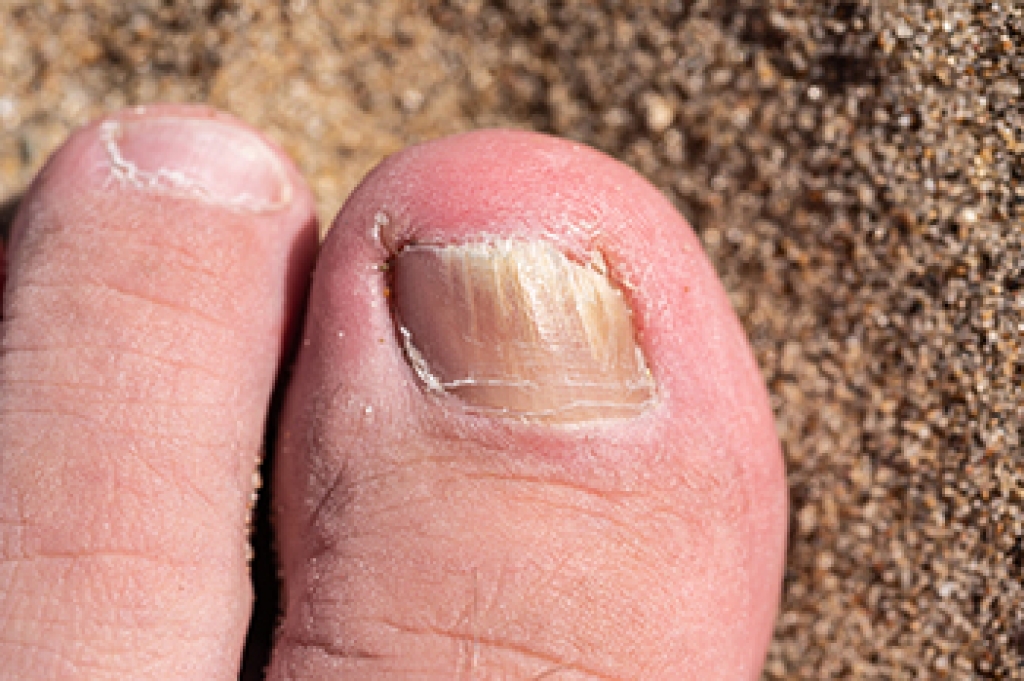
Symptoms and Causes of Fungal Toenails

Fungal toenails develop gradually and affect the appearance and health of nails. Symptoms include thickened nails, discoloration ranging from yellow to brown, brittle edges, and changes in nail shape. Some people notice lifting of the nail from the nail bed, surface debris, or an unpleasant odor. Discomfort can occur when pressure is applied. Causes are linked to fungal organisms that thrive in warm, moist environments and enter through small breaks in the nail or surrounding skin. Risk factors include nail trauma, reduced circulation, and advancing age. Certain medical conditions and prolonged exposure to damp footwear or communal surfaces are other factors. A podiatrist can confirm the diagnosis through examination and testing and rule out other nail disorders. Medical treatment is aimed at clearing infection and protecting nail growth. If you have symptoms of toenail fungus, it is suggested that you make an appointment with a podiatrist for an exam, diagnosis, and treatment.

For more information about treatment, contact Yacara Tabb, DPM of Optimum Foot Care. Our doctor can provide the care you need to keep you pain-free and on your feet.

Toenail Fungus Treatment

Toenail fungus is a condition that affects many people and can be especially hard to get rid of. Fortunately, there are several methods to go about treating and avoiding it.

Antifungals & Deterrence

Oral antifungal medicine has been shown to be effective in many cases. It is important to consult with a podiatrist to determine the proper regiment for you, or potentially explore other options.

Applying foot powder on the feet and shoes helps keep the feet free of moisture and sweat.

Sandals or open toed shoes – Wearing these will allow air movement and help keep feet dry. They also expose your feet to light, which fungus cannot tolerate. Socks with moisture wicking material also help as well.

If you have any questions please contact our office located in Slidell, LA . We offer the newest diagnostic and treatment technologies for all your foot and ankle needs.

Read more about How to Treat Your Toenail Fungus

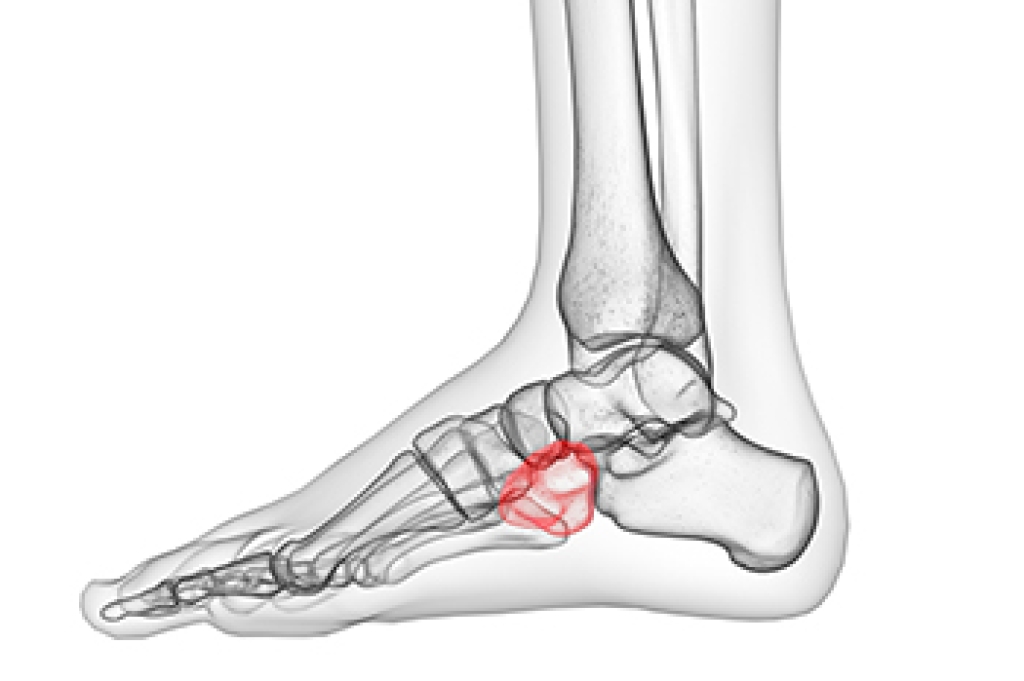
Cuboid Syndrome in Active Individuals

Cuboid syndrome is a foot condition that occurs when the cuboid bone on the outer side of the foot becomes partially displaced or loses its normal alignment. It commonly affects athletes because of repetitive stress, sudden changes in direction, or ankle injuries that strain the surrounding ligaments. Symptoms often include sharp or aching pain along the outside of the foot, tenderness, swelling, and difficulty pushing off during walking or running. Pain may worsen with activity and improve with rest. A podiatrist can accurately diagnose cuboid syndrome, restore proper joint alignment, reduce inflammation, and recommend supportive footwear or custom orthotics to prevent recurrence. If outer foot pain is limiting your athletic performance or daily movement, it is suggested that you consult a podiatrist who can provide an accurate diagnosis and treatment.

Cuboid syndrome, also known as cuboid subluxation, occurs when the joints and ligaments near the cuboid bone in the foot become torn. If you have cuboid syndrome, consult with Yacara Tabb, DPM from Optimum Foot Care. Our doctor will assess your condition and provide you with quality foot and ankle treatment.

Cuboid syndrome is a common cause of lateral foot pain, which is pain on the outside of the foot. The condition may happen suddenly due to an ankle sprain, or it may develop slowly overtime from repetitive tension through the bone and surrounding structures.

Causes

The most common causes of cuboid syndrome include:

  • Injury – The most common cause of this ailment is an ankle sprain.
  • Repetitive Strain – Tension placed through the peroneus longus muscle from repetitive activities such as jumping and running may cause excessive traction on the bone causing it to sublux.
  • Altered Foot Biomechanics – Most people suffering from cuboid subluxation have flat feet.

Symptoms

A common symptom of cuboid syndrome is pain along the outside of the foot which can be felt in the ankle and toes. This pain may create walking difficulties and may cause those with the condition to walk with a limp.

Diagnosis

Diagnosis of cuboid syndrome is often difficult, and it is often misdiagnosed. X-rays, MRIs and CT scans often fail to properly show the cuboid subluxation. Although there isn’t a specific test used to diagnose cuboid syndrome, your podiatrist will usually check if pain is felt while pressing firmly on the cuboid bone of your foot.

Treatment

Just as the range of causes varies widely, so do treatments. Some more common treatments are ice therapy, rest, exercise, taping, and orthotics.

If you have any questions, please feel free to contact our office located in Slidell, LA . We offer the newest diagnostic and treatment technologies for all your foot care needs.
Read more about Cuboid Syndrome
scroll to top