Athlete’s Foot Identification

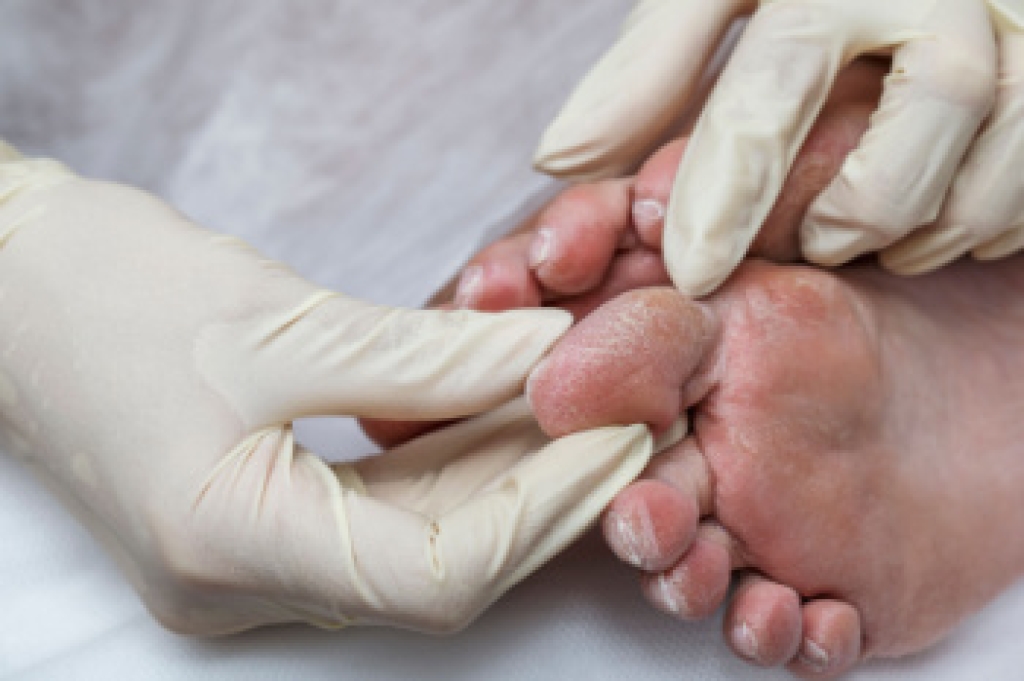
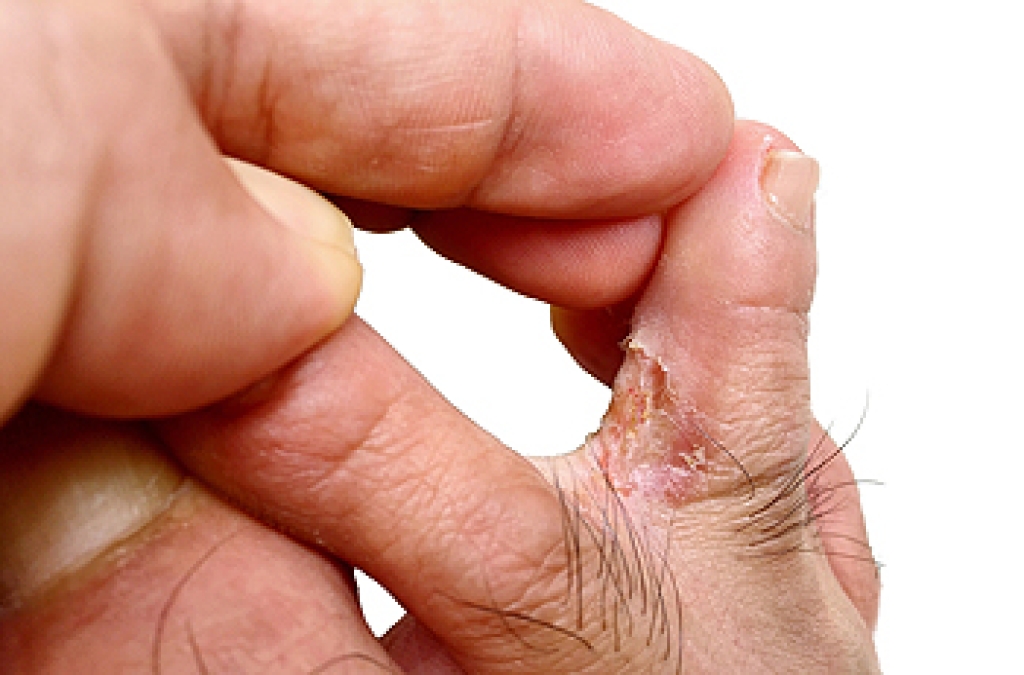
Athlete’s foot is a fungal skin infection that commonly affects the feet, especially the spaces between the toes. It develops when fungi grow in warm, moist environments and spread across the outer layer of skin. This condition is contagious and can be transmitted through shared surfaces such as locker rooms and showers. In some cases, small bumps may appear along with other skin changes, which can make the infection more noticeable. Understanding how to identify athlete’s foot early can help prevent progression and reduce discomfort.


Symptoms of athlete’s foot often include itching, burning, and irritation of the skin. The affected area may appear red, flaky, or cracked, particularly between the toes. Some individuals develop small fluid-filled bumps that may cause additional sensitivity. The skin can become soft or soggy due to excess moisture, and an unpleasant odor may also be present. These symptoms may worsen with continued exposure to damp conditions or tight footwear.


Several causes contribute to the development of athlete’s foot. Fungi thrive in consistently warm and damp environments, making sweaty feet and enclosed shoes a common factor. Walking barefoot in public areas increases exposure to infectious organisms. Additional contributing factors include minor skin injuries and poor hygiene habits. Individuals with a weakened immune system, a genetic predisposition, or poor circulation may be more vulnerable to infection and slower healing.


Risk factors include frequent use of communal facilities, prolonged moisture exposure, and wearing non-breathable shoes. People who experience excessive sweating or have underlying health conditions may face increased risk. Identifying athlete’s foot involves recognizing persistent itching, peeling skin, and the presence of bumps or irritation in typical areas. Early treatment and proper foot care can prevent spread and recurrence. If you have athlete’s foot or related bumps, it is suggested that you consult a podiatrist for effective relief and treatment solutions, which  may include prescribed medication.

Athlete’s foot is an inconvenient condition that can be easily reduced with the proper treatment. If you have any concerns about your feet and ankles, contact Yacara Tabb, DPM from Optimum Foot Care.  Our doctor will treat your foot and ankle needs.

Athlete’s Foot: The Sole Story

Athlete's foot, also known as tinea pedis, can be an extremely contagious foot infection. It is commonly contracted in public changing areas and bathrooms, dormitory style living quarters, around locker rooms and public swimming pools, or anywhere your feet often come into contact with other people.

Solutions to Combat Athlete’s Foot

  • Hydrate your feet by using lotion
  • Exfoliate
  • Buff off nails
  • Use of anti-fungal products
  • Examine your feet and visit your doctor if any suspicious blisters or cuts develop

Athlete’s foot can cause many irritating symptoms such as dry and flaking skin, itching, and redness. Some more severe symptoms can include bleeding and cracked skin, intense itching and burning, and even pain when walking. In the worst cases, Athlete’s foot can cause blistering as well. Speak to your podiatrist for a better understanding of the different causes of Athlete’s foot, as well as help in determining which treatment options are best for you.

If you have any questions please feel free to contact our office located in Slidell, LA . We offer the newest diagnostic and treatment technologies for all your foot and ankle needs.
Read more about Athlete’s Foot

Understanding Congenital Foot Problems

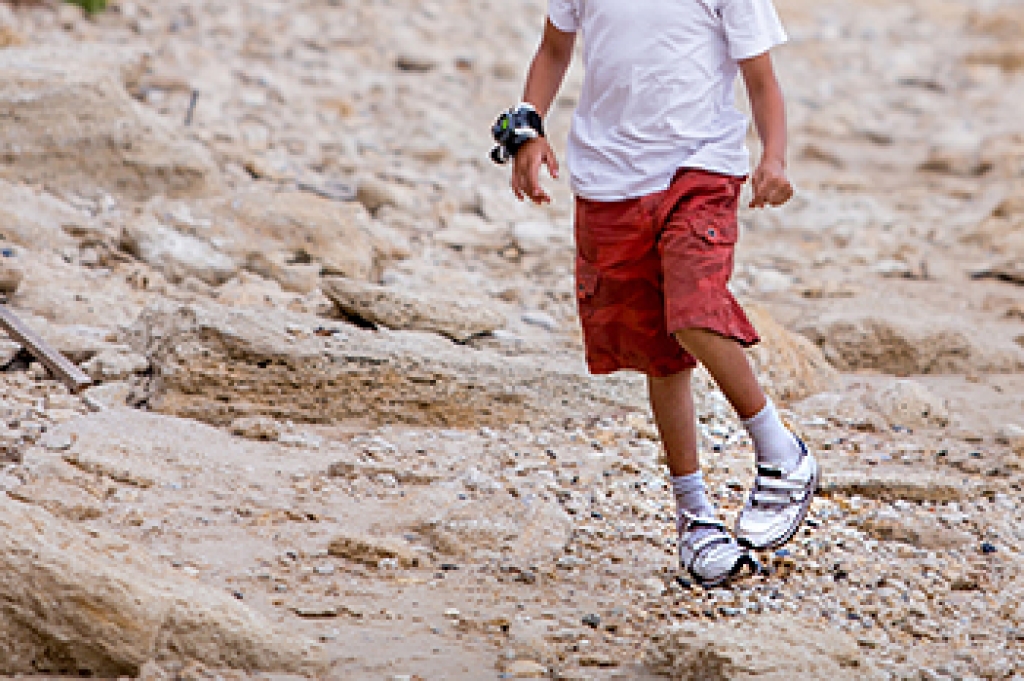
Congenital foot problems are present at birth and affect the shape, position, or movement of a baby's foot. Some conditions are easy to recognize soon after delivery, while others become more noticeable as a child begins standing or walking. Common examples include clubfoot, which turns the foot inward and downward, and metatarsus adductus, where the front of the foot curves inward. In some cases a child has trouble placing the foot flat on the ground or has one foot that appears different from the other. Early evaluation is important because proper development of the feet supports healthy balance, posture, and movement throughout childhood.

Some congenital foot problems are mild, while others affect the bones, joints, and muscles more significantly. A child might walk with an unusual gait, seem unsteady, or avoid putting weight on one foot. Shoes can fit poorly because of the foot's shape. A podiatrist carefully examines the feet, watches how the child stands and walks, and determines how flexible the affected foot is. Imaging tests, like X-rays, also help confirm the diagnosis when necessary. Prompt care helps identify whether the condition is likely to improve with guided treatment or requires closer monitoring. Early diagnosis also lowers the chance of long-term problems with walking and foot development.

A podiatrist creates a treatment plan based on the child's age and the type of congenital foot problem. Care includes gentle correction methods, custom orthotics, or special casts that gradually improve foot position. Some children benefit from braces that support healthy alignment as they grow. When the condition is more severe, surgery provides the best opportunity to improve foot function and comfort. Regular follow-up visits allow the podiatrist to monitor progress and adjust treatment as the child develops. If your child was born with a foot problem, it is suggested that you are under the care of a podiatrist who can guide you toward effective management solutions. 

Congenital foot problems require immediate attention to avoid future complications. If you have any concerns, contact Yacara Tabb, DPM of Optimum Foot Care. Our doctor can provide the care you need to keep you pain-free and on your feet.

Congenital foot problems are deformities affecting the feet, toes, and/or ankles that children are born with. Some of these conditions have a genetic cause while others just happen. Some specific foot ailments that children may be born with include clubfeet, polydactyly/macrodactyly, and cleft foot. There are several other foot anomalies that can occur congenitally. What all of these conditions have in common is that a child may experience difficulty walking or performing everyday activities, as well as trouble finding footwear that fits their foot deformity. Some of these conditions are more serious than others. Consulting with a podiatrist as early as possible will help in properly diagnosing a child’s foot condition while getting the necessary treatment underway.

What are Causes of Congenital Foot Problem?

A congenital foot problem is one that happens to a child at birth. These conditions can be caused by a genetic predisposition, developmental or positional abnormalities during gestation, or with no known cause.

What are Symptoms of Congenital Foot Problems?

Symptoms vary by the congenital condition. Symptoms may consist of the following:

  • Clubfoot, where tendons are shortened, bones are shaped differently, and the Achilles tendon is tight, causing the foot to point in and down. It is also possible for the soles of the feet to face each other.
  • Polydactyly, which usually consists of a nubbin or small lump of tissue without a bone, a toe that is partially formed but has no joints, or an extra toe.
  • Vertical talus, where the talus bone forms in the wrong position causing other bones in the foot to line up improperly, the front of the foot to point up, and the bottom of the foot to stiffen, with no arch, and to curve out.
  • Tarsal coalition, when there is an abnormal connection of two or more bones in the foot leading to severe, rigid flatfoot.
  • Cleft foot, where there are missing toes, a V-shaped cleft, and other anatomical differences.
  • Macrodactyly, when the toes are abnormally large due to overgrowth of the underlying bone or soft tissue.

Treatment and Prevention

While there is nothing one can do to prevent congenital foot problems, raising awareness and receiving neonatal screenings are important. Early detection by taking your child to a podiatrist leads to the best outcome possible.

If you have any questions, please feel free to contact our office located in Slidell, LA . We offer the newest diagnostic and treatment technologies for all your foot care needs.

Read more about Congenital Foot Problems

Managing Life With Hammertoe

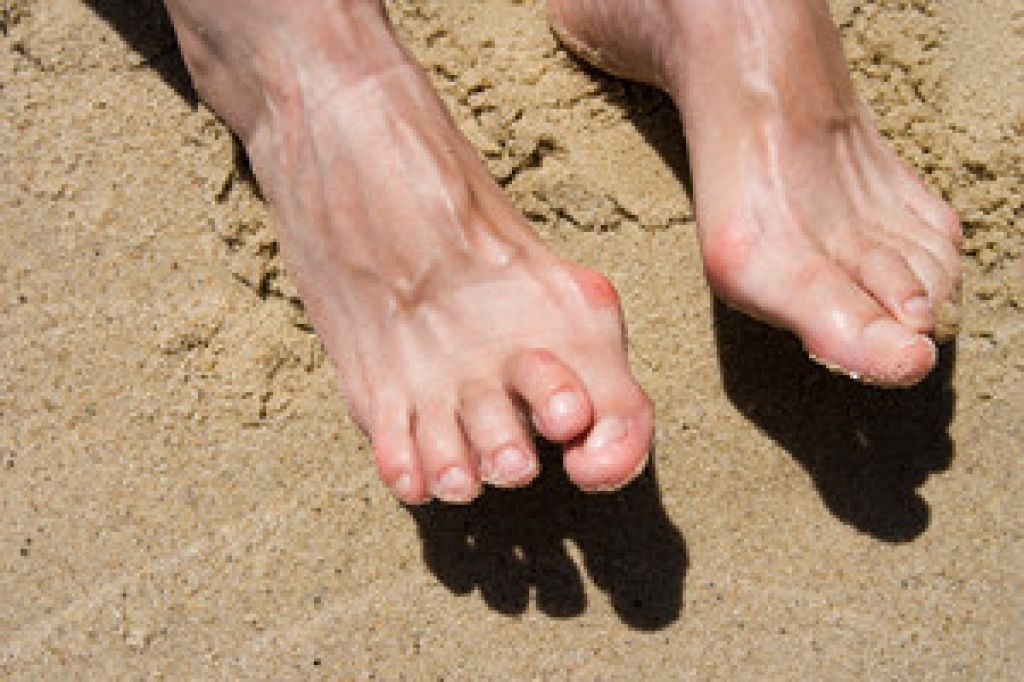
Hammertoe is a foot deformity that causes one of the smaller toes to bend at the middle joint instead of lying flat. The condition usually develops gradually and most often affects the second, third, or fourth toe. In its early stages, the toe may still be flexible, but it can become stiff over time if left untreated. Hammertoe may be caused by muscle imbalance, arthritis, or pressure from footwear that does not fit properly. As the toe changes shape, it may become painful to walk or wear shoes. Corns, calluses, and irritation may also develop where the deformed toe rubs against footwear. Early evaluation is important because treatment is often more effective before the toe becomes permanently stiff.


A podiatrist can examine the affected toe and determine how advanced the hammertoe has become. During the evaluation, the podiatrist checks toe movement, foot alignment, and areas of increased pressure that may be causing discomfort. They also look for skin changes and other foot conditions that may be contributing to the problem. Treatment depends on the severity of the deformity and the patient's symptoms. Professional hammertoe treatment may include custom orthotics, supportive footwear recommendations, or other medical treatments to improve foot function and reduce pain. If the deformity becomes severe, more advanced treatment options may be discussed.


Professional podiatry care can help relieve pain, improve mobility, and slow the progression of hammertoe. Addressing the condition early may also reduce the risk of worsening deformity and ongoing pressure on the affected toe. A podiatrist creates a treatment plan based on your individual needs and monitors changes over time. Professional foot care can also improve comfort during walking and everyday activities. If you have toe pain or notice a toe that is beginning to change shape, it is suggested that you consult a podiatrist for an evaluation.

Hammertoe

Hammertoes can be a painful condition to live with. For more information, contact Yacara Tabb, DPM from Optimum Foot Care. Our doctor will answer any of your foot- and ankle-related questions.

Hammertoe is a foot deformity that affects the joints of the second, third, fourth, or fifth toes of your feet. It is a painful foot condition in which these toes curl and arch up, which can often lead to pain when wearing footwear.

Symptoms

  • Pain in the affected toes
  • Development of corns or calluses due to friction
  • Inflammation
  • Redness
  • Contracture of the toes

Causes

Genetics – People who are genetically predisposed to hammertoe are often more susceptible

Arthritis – Because arthritis affects the joints in your toes, further deformities stemming from arthritis can occur

Trauma – Direct trauma to the toes could potentially lead to hammertoe

Ill-fitting shoes – Undue pressure on the front of the toes from ill-fitting shoes can potentially lead to the development of hammertoe

Treatment

Orthotics – Custom made inserts can be used to help relieve pressure placed on the toes and therefore relieve some of the pain associated with it

Medications – Oral medications such as anti-inflammatories or NSAIDs could be used to treat the pain and inflammation hammertoes causes. Injections of corticosteroids are also sometimes used

Surgery – In more severe cases where the hammertoes have become more rigid, foot surgery is a potential option

If you have any questions, please feel free to contact our office located in Slidell, LA . We offer the newest diagnostic and treatment technologies for all your foot care needs.

Read more about What Are Hammertoes?

How a Podiatrist Helps With Diabetic Foot Care

Diabetic foot care is important because diabetes can affect nerves and blood flow in the feet. Nerve damage can reduce feeling, which means a cut, blister, or sore may not hurt right away. Poor blood flow can make it harder for an injury to heal and can increase the risk of infection. These problems can become serious when they are not found early. Warning signs include numbness, redness, and open sores. Other concerns include swelling, drainage, or changes in skin color. A podiatrist can help patients with diabetes protect their feet through regular exams and early treatment. These visits are especially valuable when patients have past wounds or changing foot shape.

A podiatrist checks the nails, circulation, and feeling in the feet. Circulation means how well blood moves through the body. The exam also includes looking for pressure spots that can lead to wounds. Thick toenails, calluses, and corns can create extra stress on the skin. A podiatrist can trim problem nails safely and remove painful thick skin with the right instruments. This is especially important for patients with reduced feeling, because small cuts can lead to infection. The podiatrist can also check whether shoes fit properly and if special inserts or diabetic shoes are needed.

Diabetic foot care is most effective when it is part of ongoing medical care. A podiatrist can treat ulcers, order imaging, and coordinate care when an infection is suspected. An ulcer is an open wound that can be slow to heal. Treatment can include wound cleaning, pressure relief, or medication for infection. Pressure relief means reducing stress on the sore area so healing can occur. Your podiatrist can also monitor changes in walking, foot shape, or skin health. Regular visits help catch problems before they threaten mobility. If you have symptoms of diabetic foot problems, it is suggested that you  are under the care of a podiatrist who can offer effective relief and management solutions.

Diabetic foot care is important in preventing foot ailments such as ulcers. If you are suffering from diabetes or have any other concerns about your feet, contact Yacara Tabb, DPM from Optimum Foot Care. Our doctor can provide the care you need to keep you pain-free and on your feet.

Diabetic Foot Care

Diabetes affects millions of people every year. The condition can damage blood vessels in many parts of the body, especially the feet. Because of this, taking care of your feet is essential if you have diabetes, and having a podiatrist help monitor your foot health is highly recommended.

The Importance of Caring for Your Feet

  • Routinely inspect your feet for bruises or sores.
  • Wear socks that fit your feet comfortably.
  • Wear comfortable shoes that provide adequate support.

Patients with diabetes should have their doctor monitor their blood levels, as blood sugar levels play such a huge role in diabetic care. Monitoring these levels on a regular basis is highly advised.

It is always best to inform your healthcare professional of any concerns you may have regarding your feet, especially for diabetic patients. Early treatment and routine foot examinations are keys to maintaining proper health, especially because severe complications can arise if proper treatment is not applied.

If you have any questions, please feel free to contact our office located in Slidell, LA . We offer the newest diagnostic and treatment technologies for all your foot care needs.

Read more about Diabetic Foot Care

Plantar Warts Can Be Treated!

Plantar warts are small growths that develop on parts of the feet that bear weight. They're typically found on the bottom of the foot. Don't live with plantar warts, and call us today!

Advanced Podiatric Procedures & Services in the areas