Walking is one of the most accessible and effective forms of exercise, offering a wide range of health benefits for people of all ages. Regular walking supports cardiovascular health, improves circulation, enhances joint mobility, and helps maintain a healthy body weight. It also promotes mental well-being by reducing stress and improving mood. Despite these benefits, the impact of walking on foot health depends heavily on proper support and alignment, which makes footwear a critical factor in preventing injury.
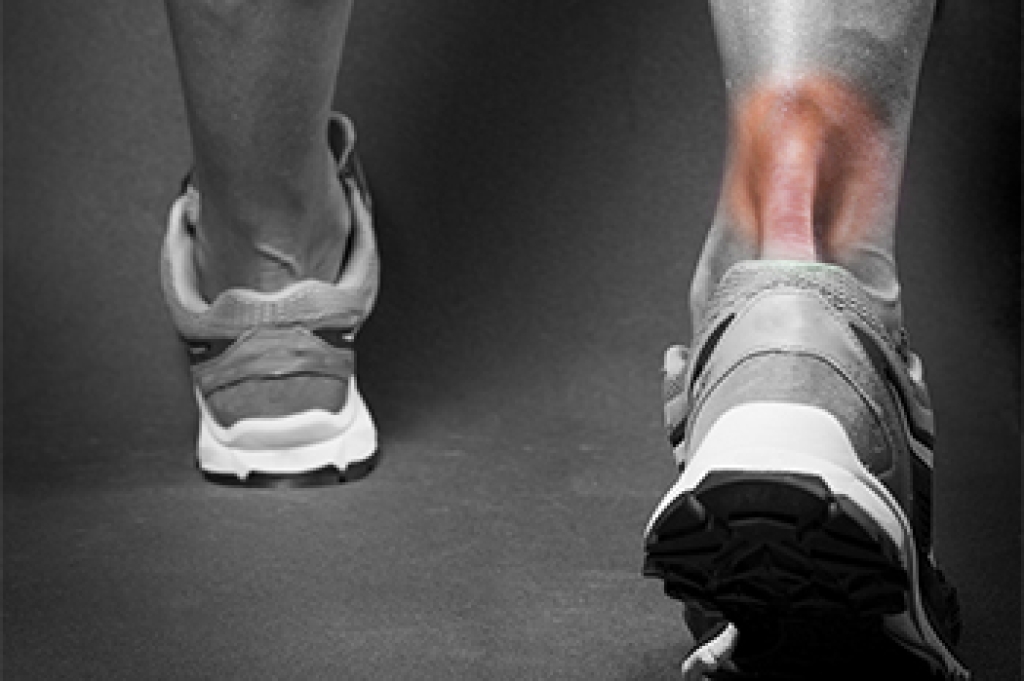
Wearing the right shoes for walking provides stability, cushioning, and arch support, all of which help distribute pressure evenly across the foot. Proper walking shoes reduce strain on the plantar fascia, tendons, and joints, allowing for a smoother and more efficient gait. In contrast, wearing the wrong shoes can lead to a range of foot conditions. Blisters are a common issue caused by friction between the foot and poorly fitting shoes. Soft tissue injuries, including tendon strain and ligament irritation, may also develop due to inadequate support or improper alignment.
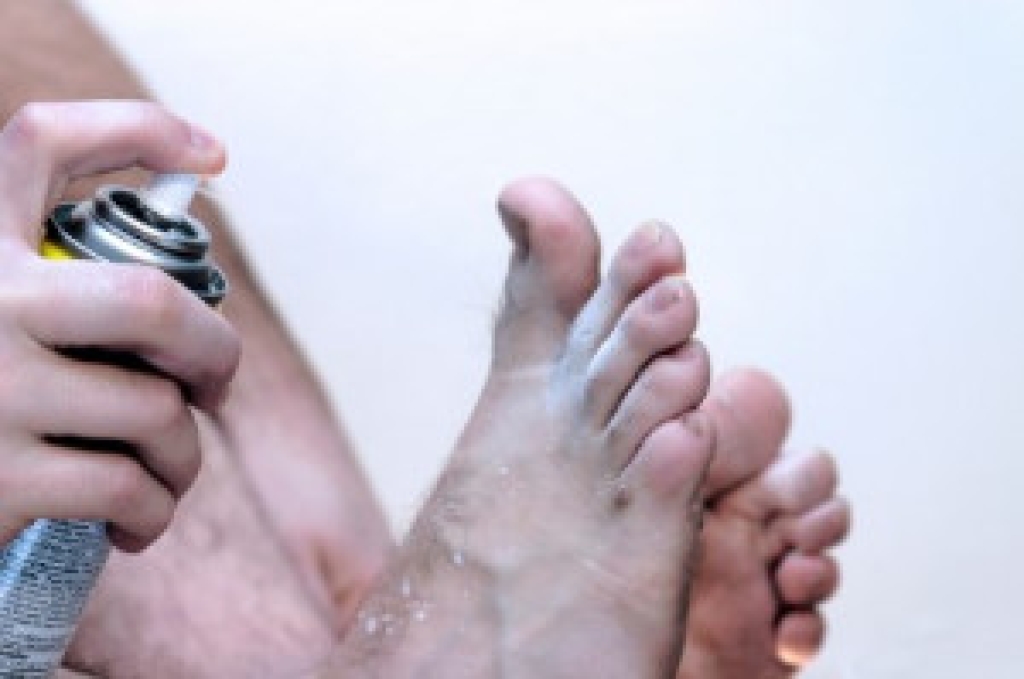
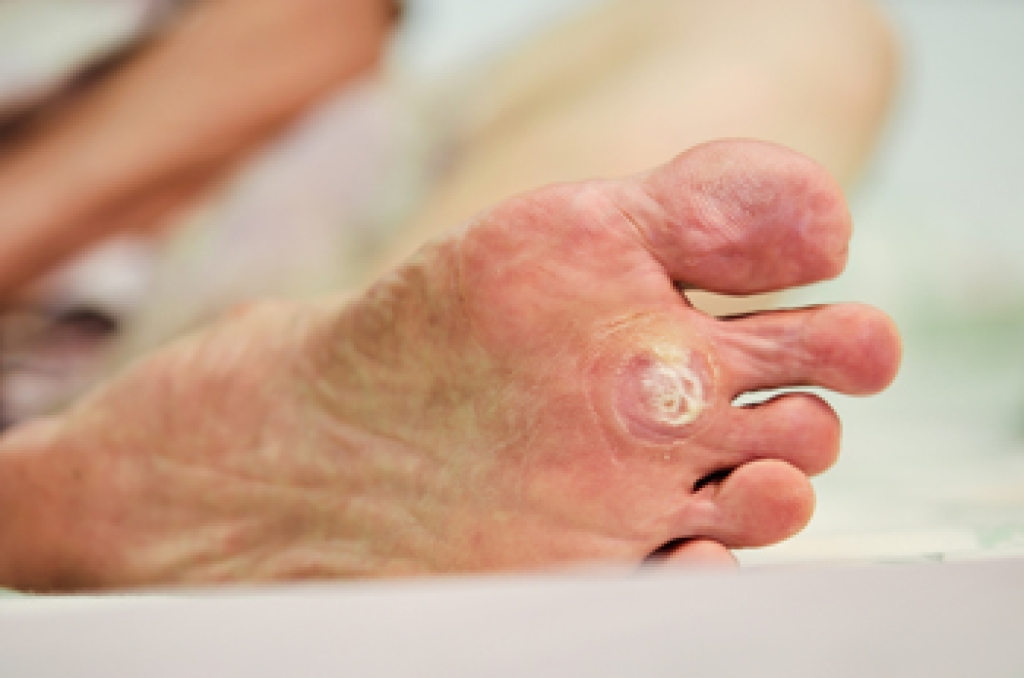
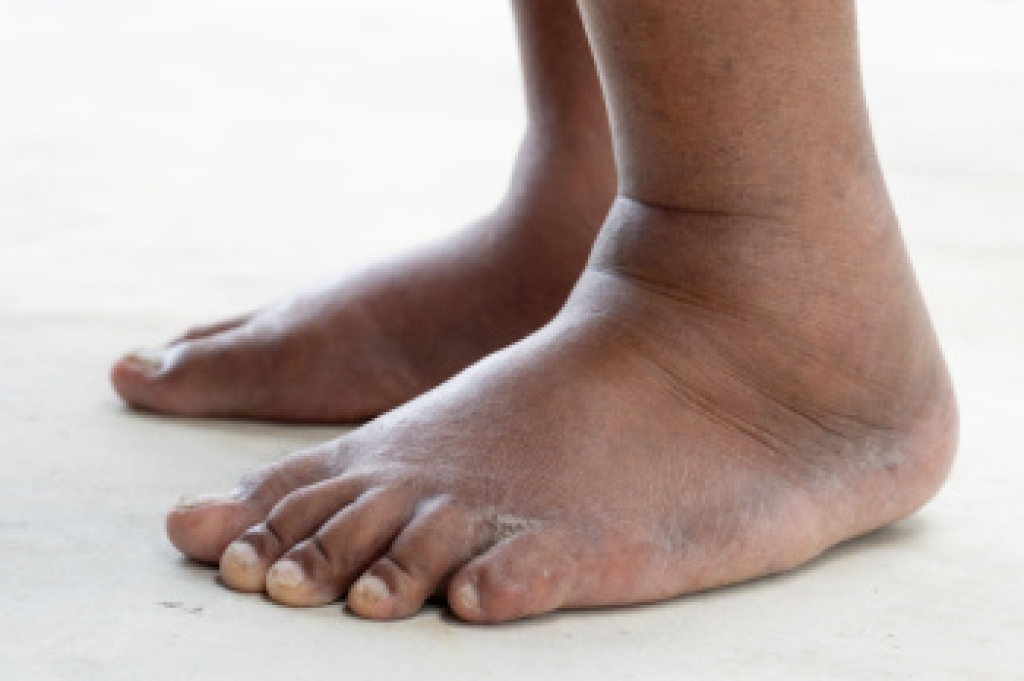
Symptoms of foot problems related to poor footwear may include pain, redness, swelling, and discomfort during or after walking. Blisters may appear as fluid-filled areas on the skin, often caused by repeated rubbing. Soft tissue injuries may cause aching or sharp pain that worsens with activity. Risk factors include prolonged walking, wearing worn-out shoes, choosing footwear without proper arch support, and ignoring early signs of discomfort. These issues can gradually worsen if not addressed.
It is important to understand that walking provides significant health benefits, but wearing proper footwear is essential for protecting foot health. Selecting supportive, well-fitting shoes can prevent common injuries and improve overall comfort. If you have foot conditions from wearing the wrong shoes while walking, it is suggested you consult a podiatrist for an accurate diagnosis, appropriate treatment, and guidance on proper footwear.
Exercising your feet regularly with the proper foot wear is a great way to prevent injuries and build strength. If you have any concerns about your feet, contact Yacara Tabb, DPM from Optimum Foot Care. Our doctor can provide the care you need to keep you pain-free and on your feet.
Exercise for Your Feet
Exercise for your feet can help you gain strength, mobility and flexibility in your feet. They say that strengthening your feet can be just as rewarding as strengthening another part of the body. Your feet are very important, and we often forget about them in our daily tasks. But it is because of our feet that are we able to get going and do what we need to. For those of us fortunate enough to not have any foot problems, it is an important gesture to take care of them to ensure good health in the long run.
Some foot health exercises can include ankle pumps, tip-toeing, toe rises, lifting off the floor doing reps and sets, and flexing the toes. It is best to speak with Our doctor to determine an appropriate regimen for your needs. Everyone’s needs and bodies are different, and the activities required to maintain strength in the feet vary from individual to individual.
Once you get into a routine of doing regular exercise, you may notice a difference in your feet and how strong they may become.
If you have any questions, please feel free to contact our office located in Slidell, LA . We offer the newest diagnostic and treatment technologies for all your foot care needs.