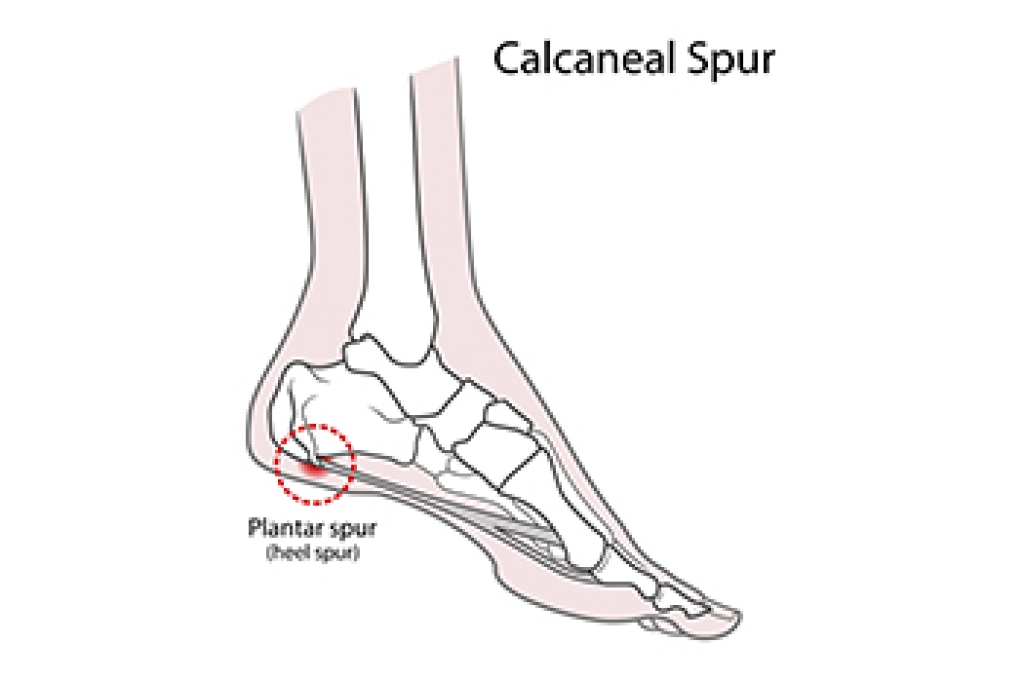
Symptoms and Risk Factors of a Heel Spur

A heel spur is a bony growth that forms on the underside of the heel bone due to long-term stress on the foot. It often develops when the plantar fascia becomes strained, leading to inflammation and calcium buildup. Symptoms include sharp heel pain, tenderness, and discomfort when standing or walking. Among the common causes are repetitive impact, flat feet, high arches, or wearing improper footwear. Risk factors include obesity, aging, and activities that place constant pressure on the heel. A podiatrist can evaluate foot structure, provide imaging, if needed, and recommend such treatments as supportive shoes, custom orthotics, stretching plans, and pain relief strategies. If you have heel pain, it is suggested that you consult a podiatrist who can accurately diagnose heel spurs and offer effective relief and treatment solutions.

Heel spurs can be incredibly painful and sometimes may make you unable to participate in physical activities. To get medical care for your heel spurs, contact Yacara Tabb, DPM from Optimum Foot Care. Our doctor will do everything possible to treat your condition.

Heels Spurs

Heel spurs are formed by calcium deposits on the back of the foot where the heel is. This can also be caused by small fragments of bone breaking off one section of the foot, attaching onto the back of the foot. Heel spurs can also be bone growth on the back of the foot and may grow in the direction of the arch of the foot.

Older individuals usually suffer from heel spurs and pain sometimes intensifies with age. One of the main condition's spurs are related to is plantar fasciitis.

Pain

The pain associated with spurs is often because of weight placed on the feet. When someone is walking, their entire weight is concentrated on the feet. Bone spurs then have the tendency to affect other bones and tissues around the foot. As the pain continues, the feet will become tender and sensitive over time.

Treatments

There are many ways to treat heel spurs. If one is suffering from heel spurs in conjunction with pain, there are several methods for healing. Medication, surgery, and herbal care are some options.

If you have any questions, please feel free to contact our office located in Slidell, LA . We offer the newest diagnostic and treatment technologies for all your foot care needs.

Read more about Heel Spurs

Preventing Falls in the Workplace

Workplace falls are a common cause of injury and can result from damaged ladders, slippery conditions, unmarked elevation changes, or leaning over guardrails. These accidents can lead to serious foot injuries such as sprains, fractures, or chronic pain that affect mobility and work performance. Prevention begins with choosing the right ladder for the job, using hazard warning signs, and keeping flooring clean and in good condition. A podiatrist can help treat foot injuries sustained from falls through diagnostic imaging, proper care, and targeted exercises to restore strength and stability. If you have experienced a fall affecting your lower extremities, or have lingering foot pain, it is suggested that you consult a podiatrist for a comprehensive evaluation and treatment to ensure a safe and healthy recovery.

Preventing falls among the elderly is very important. If you are older and have fallen or fear that you are prone to falling, consult with Yacara Tabb, DPM from Optimum Foot Care. Our doctor will assess your condition and provide you with quality advice and care.

Every 11 seconds, an elderly American is being treated in an emergency room for a fall related injury. Falls are the leading cause of head and hip injuries for those 65 and older. Due to decreases in strength, balance, senses, and lack of awareness, elderly persons are very susceptible to falling. Thankfully, there are a number of things older persons can do to prevent falls.

How to Prevent Falls

Some effective methods that older persons can do to prevent falls include:

  • Enrolling in strength and balance exercise program to increase balance and strength
  • Periodically having your sight and hearing checked
  • Discuss any medications you have with a doctor to see if it increases the risk of falling
  • Clearing the house of falling hazards and installing devices like grab bars and railings
  • Utilizing a walker or cane
  • Wearing shoes that provide good support and cushioning
  • Talking to family members about falling and increasing awareness

Falling can be a traumatic and embarrassing experience for elderly persons; this can make them less willing to leave the house, and less willing to talk to someone about their fears of falling. Doing such things, however, will increase the likelihood of tripping or losing one’s balance. Knowing the causes of falling and how to prevent them is the best way to mitigate the risk of serious injury.  

If you have any questions, please feel free to contact our office located in Slidell, LA . We offer the newest diagnostic and treatment technologies for all your foot care needs.

Read more about Falls Prevention

Surgery for Ingrown Toenails

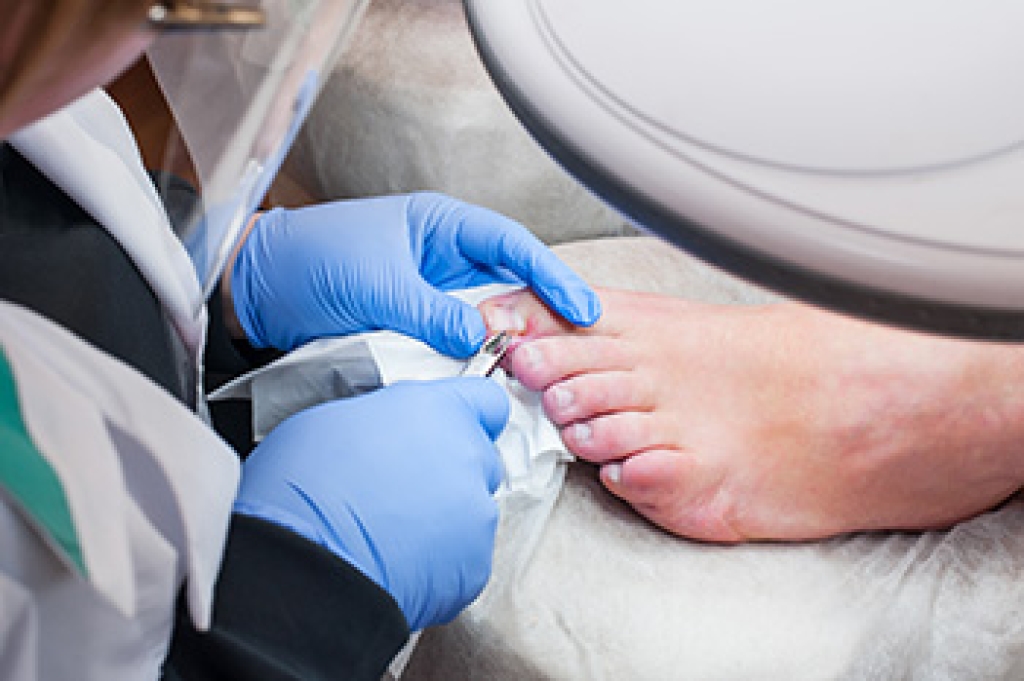
An ingrown toenail occurs when the edge of the nail grows into the surrounding skin, causing pain, redness, swelling, and sometimes infection. A podiatrist can relieve pain, treat infection, and provide guidance to prevent recurrence through proper nail trimming and footwear advice. When conservative treatments such as soaking or trimming are not effective, a minor surgical procedure may be performed to remove part or all of the affected nail. This ingrown toenail surgery is usually done under local anesthesia, and recovery typically takes one to two weeks, depending on the extent of the nail removal and aftercare. If you have a painful ingrown toenail, it is suggested that you consult a podiatrist who can discuss whether surgery is a right treatment option for you. 

Foot surgery is sometimes necessary to treat a foot ailment. To learn more, contact Yacara Tabb, DPM of Optimum Foot Care. Our doctor will assist you with all of your foot and ankle needs.

When Is Surgery Necessary?

Foot and ankle surgery is generally reserved for cases in which less invasive, conservative procedures have failed to alleviate the problem. Some of the cases in which surgery may be necessary include:

  • Removing foot deformities like bunions and bone spurs
  • Severe arthritis that has caused bone issues
  • Cosmetic reconstruction

What Types of Surgery Are There?

The type of surgery you receive will depend on the nature of the problem you have. Some of the possible surgeries include:

  • Bunionectomy for painful bunions
  • Surgical fusion for realignment of bones
  • Neuropathy decompression surgery to treat nerve damage

Benefits of Surgery

Although surgery is usually a last resort, it can provide more complete pain relief compared to non-surgical methods and may allow you to finally resume full activity.

Surgical techniques have also become increasingly sophisticated. Techniques like endoscopic surgery allow for smaller incisions and faster recovery times.

If you have any questions, please feel free to contact our office located in Slidell, LA . We offer the newest diagnostic and treatment technologies for all your foot care needs.

Read more about Foot Surgery

Types of Bunions

A bunion is a bony bump that forms at the base of the big toe, often causing pain and swelling due to joint misalignment. Common causes include genetics, improper footwear, and structural foot issues. The most frequent type is hallux valgus, where the big toe angles toward the second toe. A tailor’s bunion affects the outer side of the foot near the little toe, while adolescent bunions develop in teenagers due to inherited foot structure. Diagnosis involves a physical exam and imaging to assess bone alignment. A podiatrist can provide relief through custom orthotics, footwear advice, or surgical correction. If you notice signs of a bunion developing, it is suggested that you schedule an appointment with a podiatrist who can offer effective relief and management tips.

If you are suffering from bunions, contact Yacara Tabb, DPM of Optimum Foot Care. Our doctor can provide the care you need to keep you pain-free and on your feet.

What Is a Bunion?

A bunion is formed of swollen tissue or an enlargement of boney growth, usually located at the base joint of the toe that connects to the foot. The swelling occurs due to the bones in the big toe shifting inward, which impacts the other toes of the foot. This causes the area around the base of the big toe to become inflamed and painful.

Why Do Bunions Form?

Genetics – Susceptibility to bunions are often hereditary

Stress on the feet – Poorly fitted and uncomfortable footwear that places stress on feet, such as heels, can worsen existing bunions

How Are Bunions Diagnosed?

Podiatrists often perform two tests – blood tests and x-rays – when trying to diagnose bunions, especially in the early stages of development. Blood tests help determine if the foot pain is being caused by something else, such as arthritis, while x-rays provide a clear picture of your bone structure to your provider.

How Are Bunions Treated?

  • Refrain from wearing heels or similar shoes that cause discomfort
  • Select wider shoes that can provide more comfort and reduce pain
  • Anti-inflammatory and pain management drugs
  • Orthotics or foot inserts
  • Surgery

If you have any questions, please feel free to contact our office located in Slidell, LA . We offer the newest diagnostic and treatment technologies for all your foot care needs.

Read more about What Are Bunions?
scroll to top