Fall Prevention and Protecting Your Feet

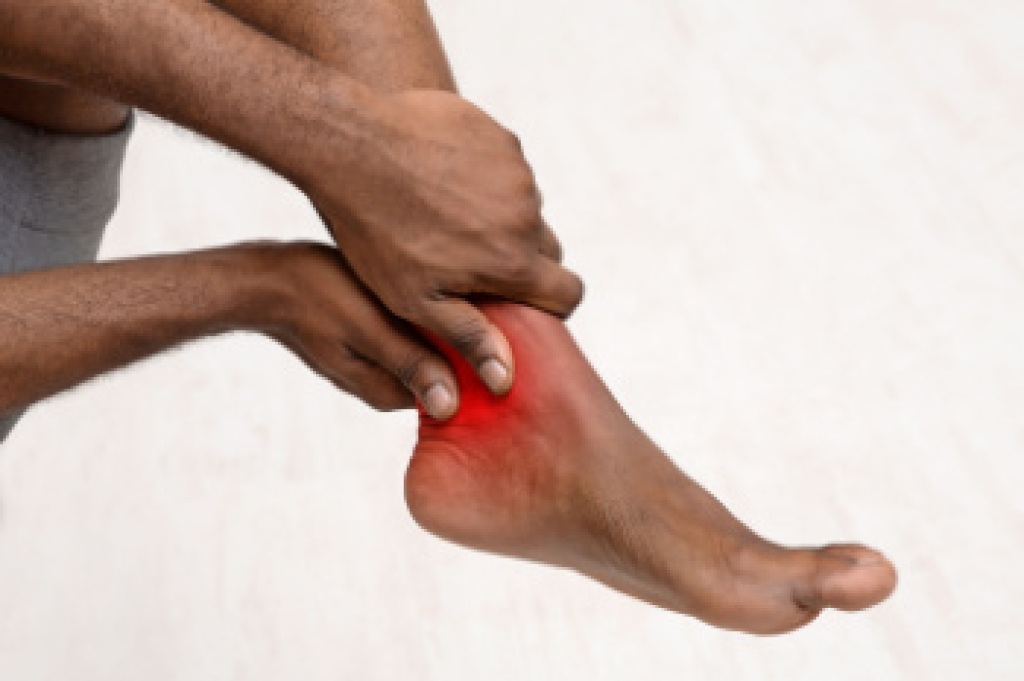
Fall prevention is important because a sudden slip or trip can cause more than a bruise. Falls may lead to foot and ankle injuries, including sprains and tendon strains. Pain, swelling, and difficulty walking are common symptoms after an injury. Keeping walking areas clear and well lit can make a meaningful difference.

Foot problems after a fall can range from soreness to injuries requiring medical attention. A twisted ankle can stretch ligaments, while a hard landing may fracture a bone. Workers may be vulnerable when floors are wet or cluttered. Employers should provide safe, clean environments for workers and address hazards promptly. Guard rails and sturdy railing should be available near stairs, ramps, and other areas where extra support is needed.


Preventing falls starts with practical safety habits. Wear properly-fitted shoes with supportive soles and avoid slippery surfaces whenever possible. Keep walkways free from cords, boxes, and other obstacles. Use guard rails when climbing stairs and hold the railing for added stability. Workers should follow workplace safety procedures and report unsafe conditions. Regular foot care can also help people recognize pain or weakness that could affect balance. A careful approach can help prevent avoidable falls and protect healthy movement at home or work. Planning ahead can also help reduce stress and prevent rushed movements every day.


If you fall and injure your foot or ankle, a podiatrist can evaluate the injury and determine appropriate treatment. The examination may include checking swelling, tenderness, and the ability to bear weight. X-rays may be recommended when a fracture is suspected. Treatment can include immobilization or supportive footwear based on the injury. Follow-up visits help monitor healing. If you have incurred a foot or ankle injury from falling, it is suggested that you consult a podiatrist for an accurate diagnosis and appropriate treatment.

Preventing falls among the elderly is very important. If you are older and have fallen or fear that you are prone to falling, consult with Yacara Tabb, DPM from Optimum Foot Care. Our doctor will assess your condition and provide you with quality advice and care.

Every 11 seconds, an elderly American is being treated in an emergency room for a fall related injury. Falls are the leading cause of head and hip injuries for those 65 and older. Due to decreases in strength, balance, senses, and lack of awareness, elderly persons are very susceptible to falling. Thankfully, there are a number of things older persons can do to prevent falls.

How to Prevent Falls

Some effective methods that older persons can do to prevent falls include:

  • Enrolling in strength and balance exercise program to increase balance and strength
  • Periodically having your sight and hearing checked
  • Discuss any medications you have with a doctor to see if it increases the risk of falling
  • Clearing the house of falling hazards and installing devices like grab bars and railings
  • Utilizing a walker or cane
  • Wearing shoes that provide good support and cushioning
  • Talking to family members about falling and increasing awareness

Falling can be a traumatic and embarrassing experience for elderly persons; this can make them less willing to leave the house, and less willing to talk to someone about their fears of falling. Doing such things, however, will increase the likelihood of tripping or losing one’s balance. Knowing the causes of falling and how to prevent them is the best way to mitigate the risk of serious injury.  

If you have any questions, please feel free to contact our office located in Slidell, LA . We offer the newest diagnostic and treatment technologies for all your foot care needs.
Read more about Falls Prevention

Big Toe Pain Can Point to Injury or Gout

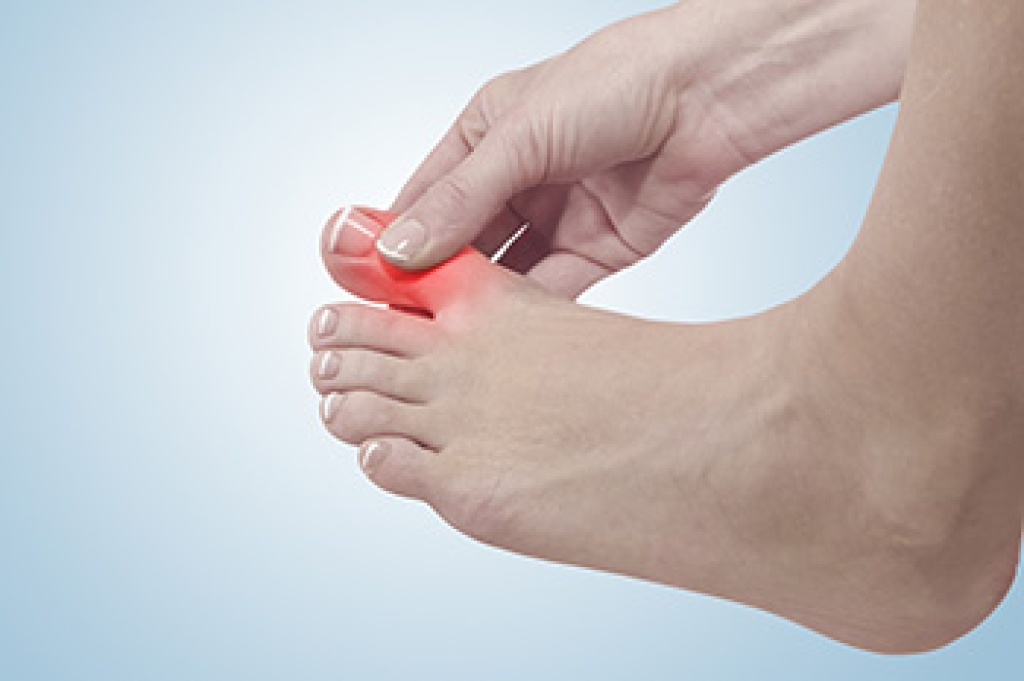
Big toe pain can make every step uncomfortable and limit normal daily activities. Several conditions can affect the joint at the base of the big toe, including injuries and inflammatory arthritis. Two well-known causes are turf toe and gout. Turf toe happens when the big toe bends beyond its normal range, stretching or tearing the supporting tissues. Gout develops when uric acid builds up in the body and forms sharp crystals inside the joint. Both conditions cause pain, swelling, stiffness, and difficulty walking, but they begin for very different reasons.

Turf toe usually follows a sports or dance injury where forceful movement pushes the toe upward too far. Pain starts quickly, and the joint feels tender when moving or bearing weight. Bruising can appear around the base of the toe. Gout can begin suddenly, sometimes at night, with intense pain, warmth, redness, and swelling. Even light pressure can feel severe. Repeated gout attacks can damage the joint and reduce movement. Although turf toe and gout share similar symptoms, their causes are different, making an accurate diagnosis extremely important before treatment begins.

A podiatrist carefully examines the painful toe and reviews how the symptoms started. Imaging studies, blood tests, and joint fluid testing help confirm the cause when questions remain. Identifying the correct problem allows treatment to match the condition, instead of only addressing the pain. For turf toe, a podiatrist protects the joint, reduces strain, and monitors healing. For gout, a podiatrist works to identify the joint damage and helps manage the condition with long-term foot care. Surgery may be recommended when serious joint damage or severe instability makes it necessary. Prompt diagnosis helps preserve joint function and improve comfort with everyday activities. If you have a painful big toe, it is suggested that you schedule an appointment with a podiatrist for an accurate diagnosis and appropriate treatment.

Toe pain can disrupt your daily activities. If you have any concerns, contact Yacara Tabb, DPM of Optimum Foot Care. Our doctor can provide the care you need to keep you pain-free and on your feet.

What Causes Toe Pain?

Most severe toe pain is caused due to a sports injury, trauma from dropping something heavy on the toe, or bumping into something rigid. Other problems can develop over time for various reasons.

Toe pain can be caused by one or more ailments. The most common include:

  • Trauma
  • Sports injury
  • Wearing shoes that are too tight
  • Arthritis
  • Gout
  • Corns and calluses
  • Hammertoe
  • Bunions
  • Blisters
  • Ingrown toenails
  • Sprains
  • Fractures (broken bones)
  • Dislocations

When to See a Podiatrist

  • Severe pain
  • Persistent pain that lasts more than a week
  • Signs of infection
  • Continued swelling
  • Pain that prevents walking

Diagnosis

In many cases the cause of toe pain is obvious, but in others, a podiatrist may want to use more advanced methods to determine the problem. These can range from simple visual inspections and sensation tests to X-rays and MRI scans. Prior medical history, family medical history, and any recent physical traumatic events will all be taken into consideration for a proper diagnosis.

Treatment

Treatments for toe pain and injuries vary and may include shoe inserts, padding, taping, medicines, injections, and in some cases, surgery. If you believe that you have broken a toe, please see a podiatrist as soon as possible.

If you have any questions please contact our office located in Slidell, LA . We offer the newest diagnostic and treatment technologies for all your foot and ankle needs.

Read more about Toe Pain

Ganglion Cysts on the Foot and What They Mean

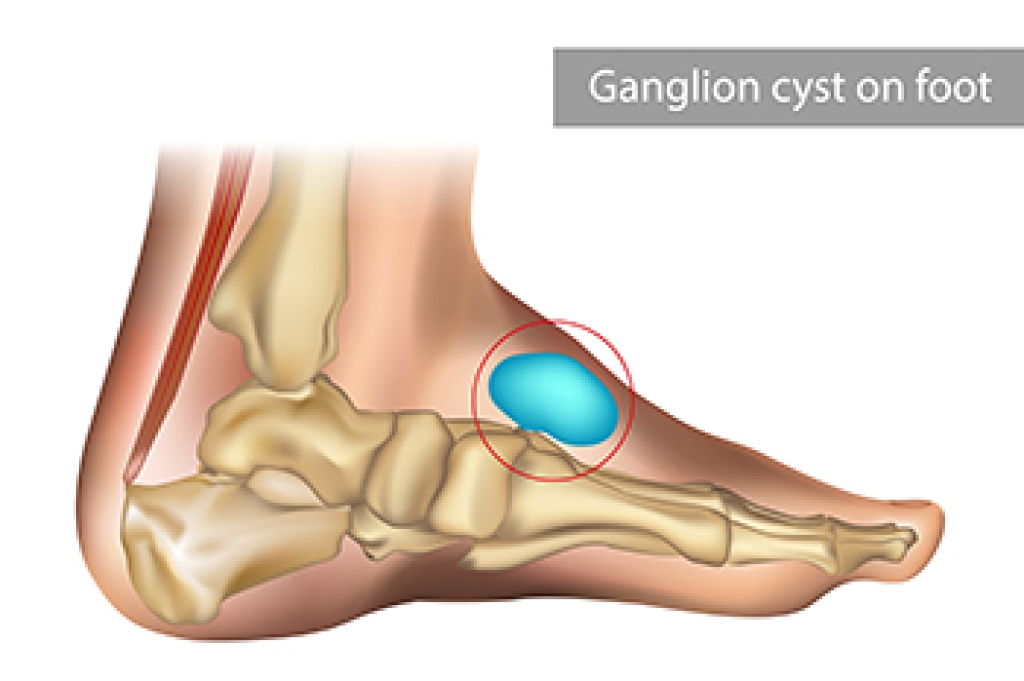
A ganglion cyst is a non-cancerous, fluid-filled lump that can develop near a joint or tendon. Ganglion cysts on the foot may form around the ankle, top of the foot, or near a joint where connective tissues are present. The cyst is usually filled with a thick, jelly-like fluid, and may feel soft or firm when touched. Symptoms may include a visible bump, tenderness, or aching. Irritation while walking may occur. The size of a cyst can change over time and may become more noticeable after activity.

The exact cause of a ganglion cyst is not always known. These cysts may develop when fluid from a joint or tendon sheath collects and forms a sac beneath the skin. Repeated stress or irritation around a joint may contribute to their development. Risk factors can include previous foot injuries, repetitive activity, and conditions that place ongoing stress on the feet. Some people develop a cyst without an obvious injury or triggering event. Because other lumps can look similar, a new growth should be evaluated rather than assumed to be a ganglion cyst.


A podiatrist can examine the foot and determine whether a ganglion cyst is responsible for the lump and symptoms. The evaluation may include reviewing medical history, examining the size and location of the cyst, and checking nearby joints and tendons. Imaging such as an ultrasound or an MRI scan may be recommended when the diagnosis is uncertain. When symptoms interfere with footwear or walking footwear changes may be suggested. Aspiration or surgical removal may be needed, depending on the cyst and the patient’s needs.


Ganglion cysts are usually benign, but persistent growth, pain, or changes in the surrounding skin deserve professional attention. A podiatrist can explain the available treatment options and help determine whether intervention is necessary. If you have a ganglion cyst on your foot, it is suggested that you consult a podiatrist for effective relief and management solutions.

Foot Pain

Foot pain can be extremely painful and debilitating. If you have a foot pain, consult with Yacara Tabb, DPM from Optimum Foot Care. Our doctor will assess your condition and provide you with quality foot and ankle treatment.

Causes

Foot pain is a very broad condition that could be caused by one or more ailments. The most common include:

  • Bunions
  • Hammertoes
  • Plantar Fasciitis
  • Bone Spurs
  • Corns
  • Tarsal Tunnel Syndrome
  • Ingrown Toenails
  • Arthritis (such as Gout, Rheumatoid, and Osteoarthritis)
  • Flat Feet
  • Injury (from stress fractures, broken toe, foot, ankle, Achilles tendon ruptures, and sprains)
  • And more

Diagnosis

To figure out the cause of foot pain, podiatrists utilize several different methods. This can range from simple visual inspections and sensation tests to X-rays and MRI scans. Prior medical history, family medical history, and any recent physical traumatic events will all be taken into consideration for a proper diagnosis.

Treatment

Treatment depends upon the cause of the foot pain. Whether it is resting, staying off the foot, or having surgery; podiatrists have a number of treatment options available for foot pain.

If you have any questions, please feel free to contact our office located in Slidell, LA . We offer the newest diagnostic and treatment technologies for all your foot care needs.

Read more about Foot Pain

Do Your Child's Feet Hurt?

Have your child's feet been examined lately? Healthy feet are happy feet. If your child is complaining of foot pain, it may be a sign of underlying problems.

What Happens When You Sprain Your Ankle?

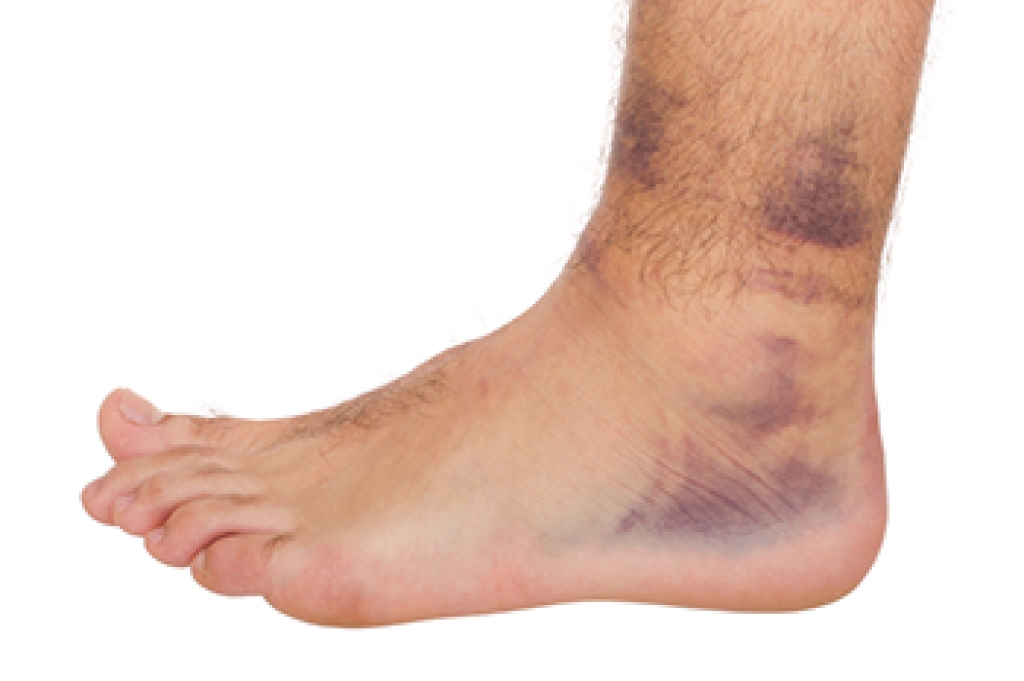
An ankle sprain occurs when the foot twists, rolls, or turns beyond its normal range and stretches the ligaments that support the ankle. Ligaments are bands of tissue that help hold the ankle joint in position. A sprain can happen during sports or after a step on an uneven surface. The force of landing with the foot at an awkward angle can stretch or tear these tissues. Pain and swelling can develop quickly. Some patients hear a pop at the time of injury. A severe sprain can also make bearing  weight difficult.

Ankle sprains are graded according to the amount of ligament damage. A grade 1 sprain involves mild stretching and limited damage. Grade 2 involves a partial tear and can cause reduced movement, while a grade 3 involves a complete ligament tear and can make the ankle unstable. Pain, swelling, and bruising can help show how serious the injury is. A broken bone can produce similar symptoms, so determining the exact cause matters. Repeated sprains can lead to chronic pain or a feeling that the ankle gives way.

A podiatrist can examine the injured ankle, check its movement, and determine which ligaments are affected. X-rays can help rule out a fracture when symptoms make the injuries difficult to distinguish. Treatment depends on the grade of the sprain and the stability of the ankle. A podiatrist can also check for joint damage after a serious sprain. A podiatrist can provide immobilization and supportive devices to protect the injured tissues while they heal. Proper treatment also helps reduce the risk of repeated sprains and long-term instability. If you have sprained an ankle, it is suggested that you schedule an appointment with a podiatrist for effective relief and treatment solutions..

Ankle sprains are common but need immediate attention. If you need your feet checked, contact Yacara Tabb, DPM from Optimum Foot Care. Our doctor can provide the care you need to keep you pain-free and on your feet.

How Does an Ankle Sprain Occur?

Ankle sprains take place when the ligaments in your ankle are torn or stretched beyond their limits. There are multiple ways that the ankle can become injured, including twisting or rolling over onto your ankle, putting undue stress on it, or causing trauma to the ankle itself.

What Are the Symptoms?

  • Mild to moderate bruising
  • Limited mobility
  • Swelling
  • Discoloration of the skin (depending on severity)

Preventing a Sprain

  • Wearing appropriate shoes for the occasion
  • Stretching before exercises and sports
  • Knowing your limits

Treatment of a Sprain

Treatment of a sprain depends on the severity.  Many times, people are told to rest and remain off their feet completely, while others are given an air cast. If the sprain is very severe, surgery may be required.

If you have suffered an ankle sprain previously, you may want to consider additional support such as a brace and regular exercises to strengthen the ankle.

If you have any questions please feel free to contact our office located in Slidell, LA . We offer the newest diagnostic tools and technology to treat your foot and ankle needs.

Read more about Ankle Sprains

How Injuries Can Lead to Foot and Ankle Arthritis

Arthritis of the foot and ankle can cause ongoing pain, stiffness, and difficulty with movement. The condition develops when a joint becomes damaged or inflamed, affecting how smoothly the bones move together. Osteoarthritis often results from gradual wear of joint cartilage, while other forms of arthritis may have different causes. Previous injuries can also lead to arthritis years later. Foot and ankle sprains or strains may damage supporting tissues and affect joint stability. These changes can make walking, standing, and other weight-bearing activities uncomfortable. Symptoms may develop slowly and become more noticeable as joint damage progresses.


Arthritis symptoms can vary based on the joints involved and the severity of the condition. Pain may increase with walking or other activities that place pressure on the foot and ankle. Swelling and stiffness can make it harder to move the joint normally. Some people may also notice changes in the shape of the foot or difficulty wearing certain shoes comfortably. A history of ankle sprains or other injuries may be important because damaged joints can develop arthritis later. Since foot and ankle pain can have several causes, a professional evaluation can distinguish arthritis from a current sprain, strain, or another condition.


A podiatrist can evaluate arthritis-related foot and ankle pain and determine how the condition is affecting movement. The examination may include checking joint motion, areas of tenderness, and the way the patient walks. Imaging may be recommended to examine joint damage or changes in the bones. Podiatry treatment is based on the type and severity of arthritis and may focus on reducing discomfort, improving mobility, and supporting the affected joints. A podiatrist can also address problems related to previous sprains or strains that may influence foot and ankle function. If arthritis-related foot or ankle pain, stiffness, or swelling is making daily movement difficult, it is suggested that you consult a podiatrist for an evaluation and appropriate treatment options.

Arthritis can be a difficult condition to live with. If you are seeking treatment, contact Yacara Tabb, DPM from Optimum Foot Care. Our doctor can provide the care you need to keep you pain-free and on your feet.

Arthritic Foot Care  

Arthritis is a joint disorder that involves the inflammation of different joints in your body, such as those in your feet. Arthritis is often caused by a degenerative joint disease and causes mild to severe pain in all affected areas. In addition to this, swelling and stiffness in the affected joints can also be a common symptom of arthritis.

In many cases, wearing ill-fitting shoes can worsen the effects and pain of arthritis. Wearing shoes that have a lower heel and extra room can help your feet feel more comfortable. In cases of rheumatoid arthritis, the arch in your foot may become problematic. Buying shoes with proper arch support that contour to your feet can help immensely.

Alleviating Arthritic Pain

  • Exercises that stretch the foot can prevent further pain and injury and increase mobility
  • Most of the pain can be alleviated with anti-inflammatory drugs, heat, and topical medications
  • Massages can help temporarily alleviate pain.

It is best to see your doctor for the treatment that is right for your needs and symptoms. Conditions vary, and a podiatrist can help you determine the right method of care for your feet.

If you have any questions please feel free to contact our office located in Slidell, LA . We offer the newest diagnostic tools and technology to treat your foot and ankle needs.

Read more about Arthritic Foot Care
Advanced Podiatric Procedures & Services in the areas