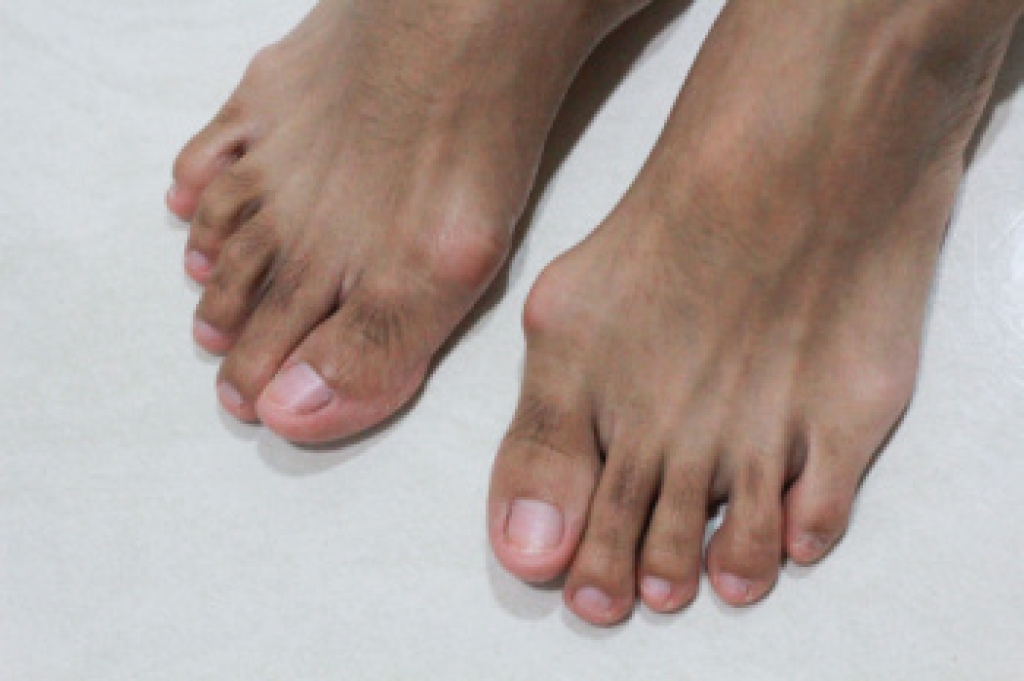
How Bunions Affect the Feet

A bunion is a common foot deformity that develops when the joint at the base of the big toe shifts out of alignment. The big toe may gradually move toward the smaller toes while the joint becomes more prominent along the inside of the foot. Bunions can form slowly, and early changes may not cause much discomfort. Genetics, foot structure, and long-term pressure from footwear may increase the risk. Narrow shoes can make symptoms more noticeable, but they are not the only cause.

Bunion symptoms can vary from person to person. A visible bump is often the first sign. Pain may develop around the big toe joint, especially while walking or standing. Some people notice redness, swelling, or irritation where shoes rub against the bunion. As the toe becomes less aligned, the foot may distribute weight differently. This can contribute to imbalance and an impaired gait. You may change how you step to avoid pressure, which can place extra stress on other parts of the foot.

A podiatrist can examine the foot, review your symptoms, and assess alignment and movement. X-rays may be used to evaluate the bones and determine the severity of the deformity. Treatment often begins with wearing better-fitting shoes, protective padding, and activity adjustments. A podiatrist may also recommend custom orthotics to improve support and pressure distribution. If pain remains severe or the bunion progresses, surgical correction may be considered. The appropriate procedure depends on the bunion and surrounding joints.

Getting attention early can help you understand what is causing your foot pain and what treatment options may be appropriate. A podiatrist can monitor changes and create a plan based on your needs. If you have a bunion, it is suggested that you consult a podiatrist for effective relief and management solutions. 

If you are suffering from bunions, contact Yacara Tabb, DPM of Optimum Foot Care. Our doctor can provide the care you need to keep you pain-free and on your feet.

What Is a Bunion?

A bunion is formed of swollen tissue or an enlargement of boney growth, usually located at the base joint of the toe that connects to the foot. The swelling occurs due to the bones in the big toe shifting inward, which impacts the other toes of the foot. This causes the area around the base of the big toe to become inflamed and painful.

Why Do Bunions Form?

Genetics – Susceptibility to bunions are often hereditary

Stress on the feet – Poorly fitted and uncomfortable footwear that places stress on feet, such as heels, can worsen existing bunions

How Are Bunions Diagnosed?

Podiatrists often perform two tests – blood tests and x-rays – when trying to diagnose bunions, especially in the early stages of development. Blood tests help determine if the foot pain is being caused by something else, such as arthritis, while x-rays provide a clear picture of your bone structure to your provider.

How Are Bunions Treated?

  • Refrain from wearing heels or similar shoes that cause discomfort
  • Select wider shoes that can provide more comfort and reduce pain
  • Anti-inflammatory and pain management drugs
  • Orthotics or foot inserts
  • Surgery

If you have any questions, please feel free to contact our office located in Slidell, LA . We offer the newest diagnostic and treatment technologies for all your foot care needs.


Read more about Bunions

Running With Heel Pain

Heel pain can turn a comfortable run into a difficult test. Continuing to run can make the problem worse and extend the break needed for recovery. Plantar fasciitis, heel spurs, and stress fractures are possible causes of heel pain. Plantar fasciitis is irritation of the strong band of tissue that supports the arch. A stress fracture is a small crack caused by repeated pressure on a bone. Because these problems require different forms of care, runners should not assume that all heel pain comes from the same source. Stopping a run when pain begins can reduce the chance of further injury.

Pain also changes the way a runner moves. A person may shorten a stride, shift weight, or land differently to protect the sore heel. These changes can place added strain on the ankle, knee, and hip. Discomfort can also spread to the lower back as the body tries to adjust. Warning signs that deserve prompt attention include swelling, bruising, or trouble placing weight on the foot. Pain that is sharp, continues at rest, or grows worse from one run to the next also needs an evaluation. Running through these symptoms can delay healing and interfere with work and daily activities.

A podiatrist can examine the heel, check foot movement, and review the runner’s training routine. X-rays or other imaging can help reveal a fracture or another source of pain. Treatment depends on the diagnosis and can include custom orthotics, supportive taping, or a walking boot. The podiatrist can also recommend shoes that fit correctly and provide proper support. A gradual return-to-running plan can protect the heel once pain improves. Some conditions respond well to these options, while more severe injuries may require surgery. An accurate diagnosis helps the runner avoid repeated strain and return to activity safely. If you have heel pain while running, it is suggested that you schedule an appointment with a podiatrist for a diagnosis and appropriate treatment.

Sports related foot and ankle injuries require proper treatment before players can go back to their regular routines. For more information, contact Yacara Tabb, DPM of Optimum Foot Care. Our doctor can provide the care you need to keep you pain-free and on your feet.

Sports Related Foot and Ankle Injuries

Foot and ankle injuries are a common occurrence when it comes to athletes of any sport. While many athletes dismiss the initial aches and pains, the truth is that ignoring potential foot and ankle injuries can lead to serious problems. As athletes continue to place pressure and strain the area further, a mild injury can turn into something as serious as a rupture and may lead to a permanent disability. There are many factors that contribute to sports related foot and ankle injuries, which include failure to warm up properly, not providing support or wearing bad footwear. Common injuries and conditions athletes face, including:

  • Plantar Fasciitis
  • Achilles Tendinitis
  • Achilles Tendon Rupture
  • Ankle Sprains

Sports related injuries are commonly treated using the RICE method. This includes rest, applying ice to the injured area, compression and elevating the ankle. More serious sprains and injuries may require surgery, which could include arthroscopic and reconstructive surgery. Rehabilitation and therapy may also be required in order to get any recovering athlete to become fully functional again. Any unusual aches and pains an athlete sustains must be evaluated by a licensed, reputable medical professional.

If you have any questions please contact our office located in Slidell, LA . We offer the newest diagnostic and treatment technologies for all your foot and ankle needs.

Read more about Sports Related Foot and Ankle Injuries

Causes and Recovery of a Broken Ankle

A broken ankle occurs when one or more of the bones in the ankle joint fracture. This often affects the surrounding muscles, ligaments, tendons, and nerves that support normal movement. This injury commonly results from falls, sports accidents, twisting motions, or direct impact to the ankle. Damage to nearby soft tissues may also contribute to pain and instability during recovery. Symptoms include severe pain, swelling, bruising, tenderness, and difficulty bearing weight on the affected foot. Risk factors include high-impact activities, weak bones, poor balance, and previous ankle injuries. Recovery time for many ankle fractures is often about four to six weeks, depending on severity and treatment. There may be instruction about driving, manual work, and participating in contact sports . A podiatrist can evaluate the injury and guide appropriate recovery. If you have fractured your ankle, it is suggested that you consult a podiatrist who can offer effective treatment solutions.

Broken ankles need immediate treatment. If you are seeking treatment, contact Yacara Tabb, DPM from Optimum Foot Care. Our doctor can provide the care you need to keep you pain-free and on your feet. 

Broken Ankles
A broken ankle is experienced when a person fractures their tibia or fibula in the lower leg and ankle area. Both of these bones are attached at the bottom of the leg and combine to form what we know to be our ankle.

When a physician is referring to a break of the ankle, he or she is usually referring to a break in the area where the tibia and fibula are joined to create our ankle joint. Ankles are more prone to fractures because the ankle is an area that suffers a lot of pressure and stress. There are some obvious signs when a person experiences a fractured ankle, and the following symptoms may be present.

Symptoms of a Fractured Ankle

  • Excessive pain when the area is touched or when any pressure is placed on the ankle
  • Swelling around the area
  • Bruising of the area
  • Area appears to be deformed

If you suspect an ankle fracture, it is recommended to seek treatment as soon as possible. The sooner you have your podiatrist diagnose the fracture, the quicker you’ll be on the way towards recovery.

If you have any questions, please feel free to contact our office located in Slidell, LA . We offer the newest diagnostic and treatment technologies for all your foot care needs.

Read more about Broken Ankle Causes, Differences, Symptoms and Treatments
Advanced Podiatric Procedures & Services in the areas