Understanding Chronic Tophaceous Gout

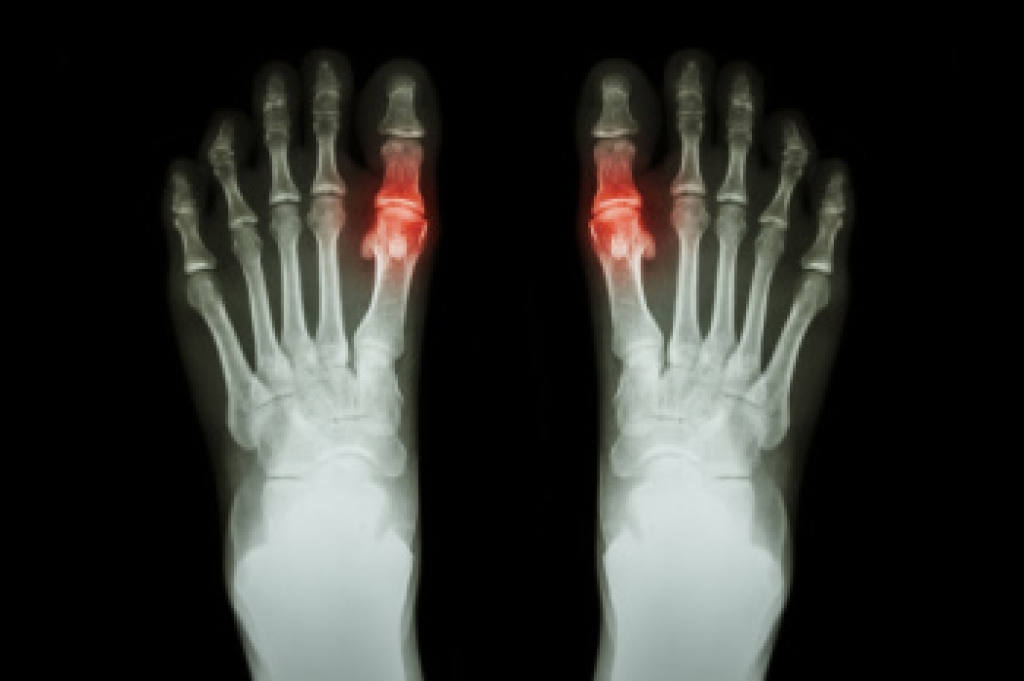
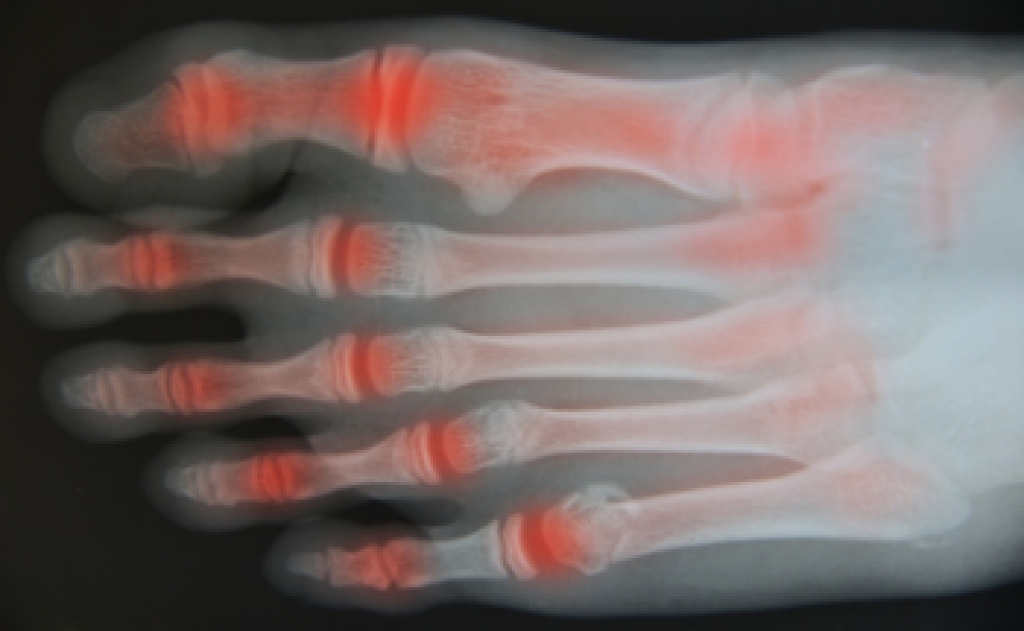
Chronic tophaceous gout is an advanced form of gout that develops when uric acid builds up in the body. The result is hard deposits, called tophi, that form around joints and soft tissues. Uric acid is a natural waste product, but high levels can lead to crystal formation that triggers inflammation, causing swelling, warmth, and severe pain. Over time, these deposits may grow and cause joint damage, stiffness, and reduced movement. They can also press on nearby nerves and affect walking. A podiatrist can diagnose chronic tophaceous gout through imaging or fluid testing, which identifies uric acid crystals. Treatment options include medication to lower uric acid levels and reduce inflammation, as well as care to protect the joints and prevent further damage. In severe cases, surgery may be needed to remove large tophi. If you are experiencing severe pain from gout, it is suggested that you make an appointment with a podiatrist for treatment.

Gout is a foot condition that requires certain treatment and care. If you are seeking treatment, contact Yacara Tabb, DPM from Optimum Foot Care. Our doctor will treat your foot and ankle needs.

What Is Gout?

Gout is a type of arthritis caused by a buildup of uric acid in the bloodstream. It often develops in the foot, especially the big toe area, although it can manifest in other parts of the body as well. Gout can make walking and standing very painful and is especially common in diabetics and the obese.

People typically get gout because of a poor diet. Genetic predisposition is also a factor. The children of parents who have had gout frequently have a chance of developing it themselves.

Gout can easily be identified by redness and inflammation of the big toe and the surrounding areas of the foot. Other symptoms include extreme fatigue, joint pain, and running high fevers. Sometimes corticosteroid drugs can be prescribed to treat gout, but the best way to combat this disease is to get more exercise and eat a better diet.

If you have any questions, please feel free to contact our office located in Slidell, LA . We offer the newest diagnostic and treatment technologies for all your foot care needs.
Read more about Everything You Need to Know About Gout

Osteoarthritis and Its Impact on Foot Health

Osteoarthritis is a degenerative joint condition that occurs when cartilage wears down over time, leading to pain and stiffness. In the feet, it often affects joints in the toes and midfoot, making walking uncomfortable. Causes include aging, excess body weight, genetic predisposition, and other forms of arthritis that contribute to joint damage. Symptoms include pain, swelling in foot joints, reduced flexibility, and discomfort that may worsen at night. Persistent foot pain can interfere with daily activities and overall quality of life. A podiatrist can diagnose the condition, recommend supportive footwear, provide custom orthotics, and develop a treatment plan to reduce pain and improve mobility. If you are experiencing ongoing foot discomfort or swelling, it is suggested that you consult a podiatrist who can offer effective relief and management solutions.

Arthritis can be a difficult condition to live with. If you are seeking treatment, contact Yacara Tabb, DPM from Optimum Foot Care. Our doctor can provide the care you need to keep you pain-free and on your feet.

Arthritic Foot Care  

Arthritis is a joint disorder that involves the inflammation of different joints in your body, such as those in your feet. Arthritis is often caused by a degenerative joint disease and causes mild to severe pain in all affected areas. In addition to this, swelling and stiffness in the affected joints can also be a common symptom of arthritis.

In many cases, wearing ill-fitting shoes can worsen the effects and pain of arthritis. Wearing shoes that have a lower heel and extra room can help your feet feel more comfortable. In cases of rheumatoid arthritis, the arch in your foot may become problematic. Buying shoes with proper arch support that contour to your feet can help immensely.

Alleviating Arthritic Pain

  • Exercises that stretch the foot can prevent further pain and injury and increase mobility
  • Most of the pain can be alleviated with anti-inflammatory drugs, heat, and topical medications
  • Massages can help temporarily alleviate pain.

It is best to see your doctor for the treatment that is right for your needs and symptoms. Conditions vary, and a podiatrist can help you determine the right method of care for your feet.

If you have any questions please feel free to contact our office located in Slidell, LA . We offer the newest diagnostic tools and technology to treat your foot and ankle needs.

Read more about Arthritic Foot Care

Diabetic Foot Ulcers and the Importance of Early Care

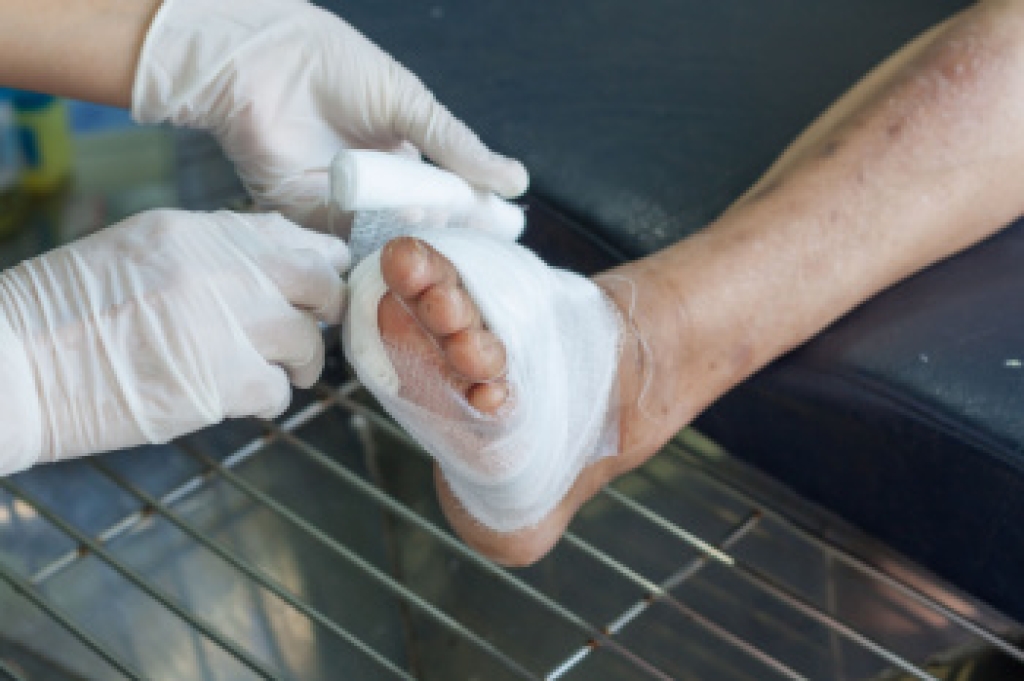
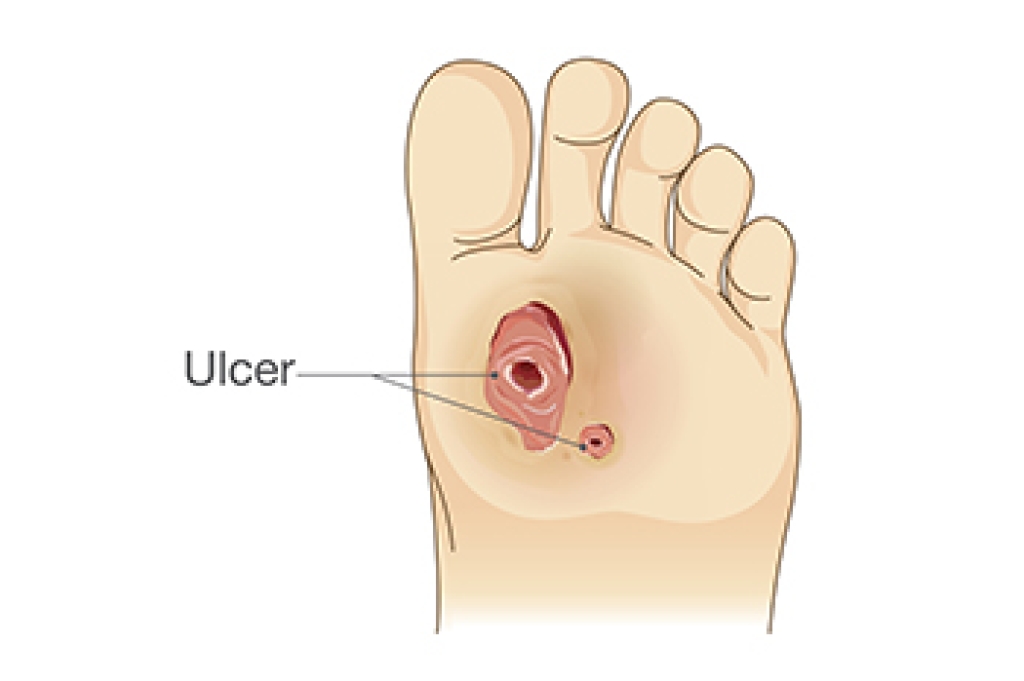
A diabetic foot ulcer is an open sore or wound that develops on the foot due to complications of diabetes, often related to poor circulation and nerve damage. Symptoms include redness, drainage, swelling, and slow-healing tissue. Risk factors include prolonged pressure, reduced sensation, and untreated minor injuries. Without proper care, these ulcers can worsen and lead to infection. Treatment often involves debridement to remove damaged tissue and pressure relief to protect the affected area and support healing. A podiatrist plays a key role in managing such wounds, improving circulation, and preventing complications. If you have diabetes and have developed a foot ulcer, it is strongly suggested that you are under the care of a podiatrist who can effectively treat foot wounds and help you to manage this serious condition.

Wound care is an important part in dealing with diabetes. If you have diabetes and a foot wound or would like more information about wound care for diabetics, consult with Yacara Tabb, DPM from Optimum Foot Care. Our doctor will assess your condition and provide you with quality foot and ankle treatment.

What Is Wound Care?

Wound care is the practice of taking proper care of a wound. This can range from the smallest to the largest of wounds. While everyone can benefit from proper wound care, it is much more important for diabetics. Diabetics often suffer from poor blood circulation which causes wounds to heal much slower than they would in a non-diabetic. 

What Is the Importance of Wound Care?

While it may not seem apparent with small ulcers on the foot, for diabetics, any size ulcer can become infected. Diabetics often also suffer from neuropathy, or nerve loss. This means they might not even feel when they have an ulcer on their foot. If the wound becomes severely infected, amputation may be necessary. Therefore, it is of the upmost importance to properly care for any and all foot wounds.

How to Care for Wounds

The best way to care for foot wounds is to prevent them. For diabetics, this means daily inspections of the feet for any signs of abnormalities or ulcers. It is also recommended to see a podiatrist several times a year for a foot inspection. If you do have an ulcer, run the wound under water to clear dirt from the wound; then apply antibiotic ointment to the wound and cover with a bandage. Bandages should be changed daily and keeping pressure off the wound is smart. It is advised to see a podiatrist, who can keep an eye on it.

If you have any questions please contact our office located in Slidell, LA . We offer the newest diagnostic and treatment technologies for all your foot and ankle needs.

Read more about Wound Care

Healthy Feet Matter More With Age

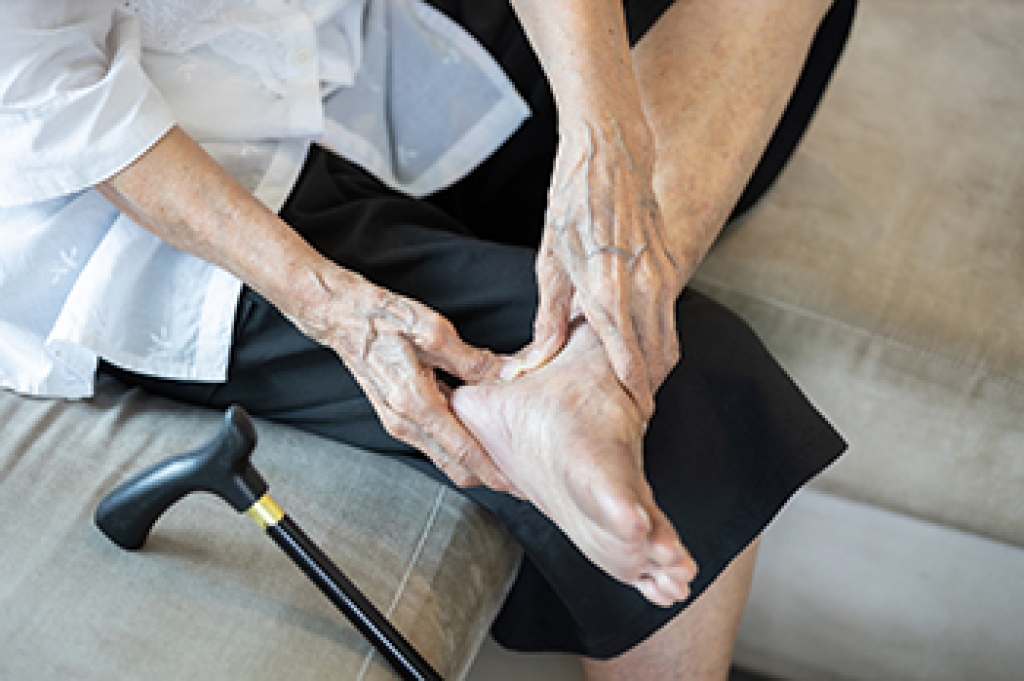
Foot care becomes especially important as people grow older because the skin, joints, and circulation of the feet can change over time. Small problems such as dry skin, thick nails, or poorly fitting shoes can quickly turn into painful conditions if they are not addressed early. Maintaining healthy feet helps support balance, mobility, and independence. One of the most important steps is wearing properly fitting shoes that provide support, cushioning, and enough room for the toes. Shoes that are too tight or worn out can lead to pressure points, blisters, or joint pain. Daily hygiene is also essential. Feet should be washed with mild soap, dried carefully between the toes, and moisturized to prevent cracking skin. Toenails should be trimmed straight across and not cut too short to help avoid ingrown nails. Regular foot checks are helpful for noticing redness, swelling, or skin changes early. If you are experiencing foot discomfort or changes in your feet, it is suggested that you make an appointment with a podiatrist.

If you need your feet checked, contact Yacara Tabb, DPM of Optimum Foot Care. Our doctor will attend to all of your foot and ankle needs and provide you with quality treatment.

Geriatrics and Podiatry
When people age, some common issues that may occur are bone density loss, dry skin, poor circulation, and rough brittle nails. These issues may also affect your foot health if the necessary steps are not taken to alleviate the problems.

It is important to take care of your feet because feet that are injured or diseased can affect your overall health. Having painful feet hinders your ability to do daily activities or may decrease your willingness to do the things that you need to do.

Visiting Your Geriatrician
As we age, health problems become more likely, so it is essential to visit your doctor for check-ups to ensure that you are doing the best you can to take care of your health. It is recommended to check your feet frequently for any possible cuts, bruises, swelling, corns or any other irregularities. 

Taking Care of Elderly Feet
Cracked or dry feet can be treated by applying moisturizer often. It is also important not to wear old socks because the older the sock is, the higher the possibility there will be that there is bacteria there. Wear fresh socks and make sure they fit properly.

Proper foot health means that you can have a more active lifestyle and you will not be bogged down by pain. Foot health also leads to good circulation, which is paramount for overall health.

If you have any questions, please feel free to contact our office located in Slidell, LA . We offer the newest diagnostic and treatment technologies for all your foot care needs.
Read more about Elderly and their Feet

What Causes Heel Spurs?

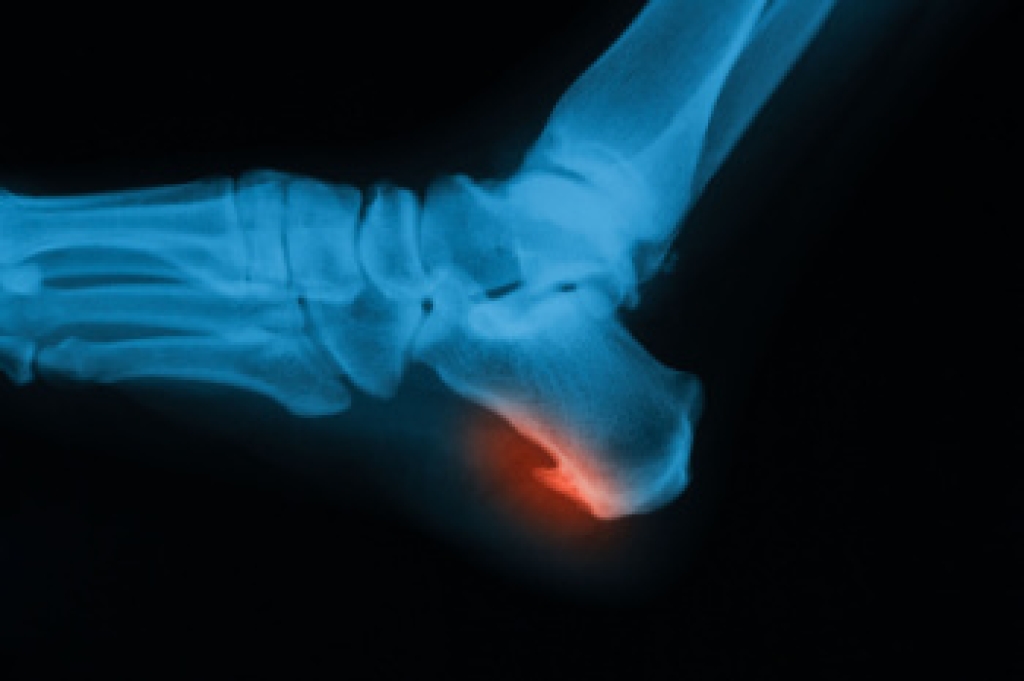
Heel spurs are bony growths that form on the calcaneus, or heel bone, after long-term stress or irritation. These spurs often develop when repeated pulling from tight soft tissue at the back of the ankle places strain on the bone. Eventually, the body responds by laying down excess calcium, creating a pointed growth that looks like a spur. Heel spurs can form underneath the heel or at the back, sometimes causing a visible lump. Symptoms include sharp pain with the first steps in the morning, a lingering dull ache during the day, stiffness, numbness, or thickened skin from friction. A podiatrist can assess foot alignment, evaluate walking patterns, and order X-rays to confirm the diagnosis. Treatment options include custom orthotics, bracing, anti-inflammatory care, or surgery when necessary. If you have pain from heel spurs that affect daily activities, it is suggested that you make an appointment with a podiatrist for an exam, diagnosis, and treatment.

Heel spurs can be incredibly painful and sometimes may make you unable to participate in physical activities. To get medical care for your heel spurs, contact Yacara Tabb, DPM from Optimum Foot Care. Our doctor will do everything possible to treat your condition.

Heels Spurs

Heel spurs are formed by calcium deposits on the back of the foot where the heel is. This can also be caused by small fragments of bone breaking off one section of the foot, attaching onto the back of the foot. Heel spurs can also be bone growth on the back of the foot and may grow in the direction of the arch of the foot.

Older individuals usually suffer from heel spurs and pain sometimes intensifies with age. One of the main condition's spurs are related to is plantar fasciitis.

Pain

The pain associated with spurs is often because of weight placed on the feet. When someone is walking, their entire weight is concentrated on the feet. Bone spurs then have the tendency to affect other bones and tissues around the foot. As the pain continues, the feet will become tender and sensitive over time.

Treatments

There are many ways to treat heel spurs. If one is suffering from heel spurs in conjunction with pain, there are several methods for healing. Medication, surgery, and herbal care are some options.

If you have any questions, please feel free to contact our office located in Slidell, LA . We offer the newest diagnostic and treatment technologies for all your foot care needs.
Read more about How to Treat Heel Spurs

Nerve Pain Can Signal a Deeper Problem

Nerve pain in the foot can feel sharp, burning, tingling, or electric, and it may point to neuropathy or Morton’s neuroma. Neuropathy often develops gradually, and may be linked to diabetes, injury, or other medical conditions. The feet can feel numb, weak, or overly sensitive, and symptoms are often noticed in both feet. In contrast, Morton’s neuroma involves thickening of tissue surrounding a nerve between the third and fourth toes. Along with shooting pain or tingling into the toes, patients often describe the sensation  as being similar to standing on a pebble. The area may look normal, but squeezing the forefoot can reproduce the discomfort. A podiatrist will perform a detailed examination and may order imaging or nerve testing to determine the exact cause. Treatment can include custom orthotics, shoe changes, medication, or targeted procedures. If you have persistent nerve pain in the foot, it is suggested that you schedule an appointment with a podiatrist for an evaluation and appropriate care.

Neuropathy

Neuropathy can be a potentially serious condition, especially if it is left undiagnosed. If you have any concerns that you may be experiencing nerve loss in your feet, consult with Yacara Tabb, DPM from Optimum Foot Care. Our doctor will assess your condition and provide you with quality foot and ankle treatment for neuropathy.

What Is Neuropathy?

Neuropathy is a condition that leads to damage to the nerves in the body. Peripheral neuropathy, or neuropathy that affects your peripheral nervous system, usually occurs in the feet. Neuropathy can be triggered by a number of different causes. Such causes include diabetes, infections, cancers, disorders, and toxic substances.

Symptoms of Neuropathy Include:

  • Numbness
  • Sensation loss
  • Prickling and tingling sensations
  • Throbbing, freezing, burning pains
  • Muscle weakness

Those with diabetes are at serious risk due to being unable to feel an ulcer on their feet. Diabetics usually also suffer from poor blood circulation. This can lead to the wound not healing, infections occurring, and the limb may have to be amputated.

Treatment

To treat neuropathy in the foot, podiatrists will first diagnose the cause of the neuropathy. Figuring out the underlying cause of the neuropathy will allow the podiatrist to prescribe the best treatment, whether it be caused by diabetes, toxic substance exposure, infection, etc. If the nerve has not died, then it’s possible that sensation may be able to return to the foot.

Pain medication may be issued for pain. Electrical nerve stimulation can be used to stimulate nerves. If the neuropathy is caused from pressure on the nerves, then surgery may be necessary.

If you have any questions, please feel free to contact our office located in Slidell, LA . We offer the newest diagnostic and treatment technologies for all your foot care needs.
Read more about Neuropathy

Common Ice Skating Injuries in Children

Ice skating is a fun way for children to build balance and coordination, but the sport places repetitive stress on growing feet and ankles. Falls, tight or poorly fitted boots, and frequent jumping can lead to ankle sprains, tendon irritation, and painful bursitis around the heel or ankle bones. Friction inside the boot may also cause blisters or “lace bite” across the top of the foot. Over time, pressure from narrow skates can contribute to bunions or hammertoes, while repeated impact during landings may result in stress fractures of the metatarsal bones. Because children’s bones are still developing, these problems can affect alignment and performance if not properly evaluated. A podiatrist can assess skating mechanics, examine footwear fit, diagnose structural problems, and provide medical care to relieve pain and prevent further injury. If your child encounters foot pain while ice skating, it is suggested that you make an appointment with a podiatrist for an exam, diagnosis, and treatment.

The health of a child’s feet is vital to their overall well-being. If you have any questions regarding foot health, contact Yacara Tabb, DPM of Optimum Foot Care. Our doctor can provide the care you need to keep you pain-free and on your feet.

Tips for Keeping Children's Feet Healthy

  • Make sure their shoes fit properly
  • Look for any signs of in-toeing or out-toeing
  • Check to see if they have Clubfoot (condition that affects your child’s foot and ankle, twisting the heel and toes inward) which is one of the most common nonmajor birth defects.
  • Lightly cover your baby’s feet (Tight covers may keep your baby from moving their feet freely, and could prevent normal development)
  • Allow your toddler to go shoeless (Shoes can be restricting for a young child’s foot)
  • Cut toenails straight across to avoid ingrown toenails
  • Keep your child’s foot clean and dry
  • Cover cuts and scrapes. Wash any scratches with soap and water and cover them with a bandage until they’ve healed.

If you have any questions, please feel free to contact our office located in Slidell, LA . We offer the newest diagnostic and treatment technologies for all your foot care needs.
Read more about How to Care for Your Child's Feet

Recognizing the Symptoms of Gout

Gout is a form of inflammatory arthritis caused by a buildup of uric acid in the bloodstream, which then forms sharp crystals inside the joints. One of the most common and painful locations for a gout attack is the big toe. Symptoms include sudden and intense pain, swelling, redness, warmth, and tenderness in the joint. The big toe is especially vulnerable because it is the farthest joint from the heart, which can reduce efficient circulation, and it tends to be cooler than the rest of the body. Uric acid crystals form more easily in colder temperatures, making this joint a frequent target. Without proper care, repeated gout attacks can lead to joint damage. If your big toe is painful, it is suggested that you consult a podiatrist who can accurately diagnose the cause and provide appropriate treatment.

Gout is a painful condition that can be treated. If you are seeking treatment, contact Yacara Tabb, DPM from Optimum Foot Care. Our doctor will treat your foot and ankle needs.

What Is Gout?

Gout is a form of arthritis that is characterized by sudden, severe attacks of pain, redness, and tenderness in the joints. The condition usually affects the joint at the base of the big toe. A gout attack can occur at any random time, such as the middle of the night while you are asleep.

Symptoms

  • Intense Joint Pain - Usually around the large joint of your big toe, and it most severe within the first four to twelve hours
  • Lingering Discomfort - Joint discomfort may last from a few days to a few weeks
  • Inflammation and Redness -Affected joints may become swollen, tender, warm and red
  • Limited Range of Motion - May experience a decrease in joint mobility

Risk Factors

  • Genetics - If family members have gout, you’re more likely to have it
  • Medications - Diuretic medications can raise uric acid levels
  • Gender/Age - Gout is more common in men until the age of 60. It is believed that estrogen protects women until that point
  • Diet - Eating red meat and shellfish increases your risk
  • Alcohol - Having more than two alcoholic drinks per day increases your risk
  • Obesity - Obese people are at a higher risk for gout

Prior to visiting your podiatrist to receive treatment for gout, there are a few things you should do beforehand. If you have gout you should write down your symptoms--including when they started and how often you experience them, important medical information you may have, and any questions you may have. Writing down these three things will help your podiatrist in assessing your specific situation so that he or she may provide the best route of treatment for you.

If you have any questions, please feel free to contact our office located in Slidell, LA . We offer the newest diagnostic and treatment technologies for all your foot care needs.

Read more about Gout

Treatment for a Stubbed Toe

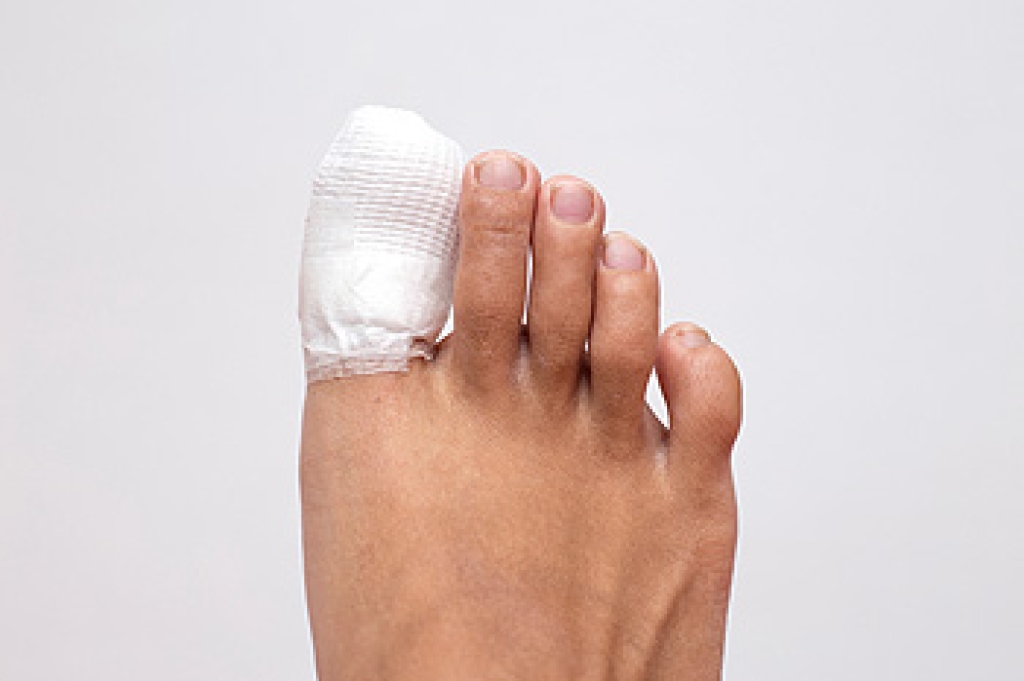
A stubbed toe may seem minor, but the impact can affect bones, joints, nails, and surrounding soft tissue. Common problems include bruising, swelling, nail damage, ligament strain, or a fracture of one of the small toe bones. Pain that worsens with walking, visible deformity, numbness, or persistent swelling may signal a more serious injury. A podiatrist can evaluate the toe with a physical exam and imaging to determine whether a fracture, dislocation, or nail injury is present. Treatment may include immobilization, protective footwear, or taping techniques performed in the office. Nail care or management of inflammation and pain can also be addressed. Early assessment supports safer recovery. If you have pain from stubbing a toe, it is suggested that you make an appointment with a podiatrist for an exam, diagnosis, and treatment.

Toe pain can disrupt your daily activities. If you have any concerns, contact Yacara Tabb, DPM of Optimum Foot Care. Our doctor can provide the care you need to keep you pain-free and on your feet.

What Causes Toe Pain?

Most severe toe pain is caused due to a sports injury, trauma from dropping something heavy on the toe, or bumping into something rigid. Other problems can develop over time for various reasons.

Toe pain can be caused by one or more ailments. The most common include:

  • Trauma
  • Sports injury
  • Wearing shoes that are too tight
  • Arthritis
  • Gout
  • Corns and calluses
  • Hammertoe
  • Bunions
  • Blisters
  • Ingrown toenails
  • Sprains
  • Fractures (broken bones)
  • Dislocations

When to See a Podiatrist

  • Severe pain
  • Persistent pain that lasts more than a week
  • Signs of infection
  • Continued swelling
  • Pain that prevents walking

Diagnosis

In many cases the cause of toe pain is obvious, but in others, a podiatrist may want to use more advanced methods to determine the problem. These can range from simple visual inspections and sensation tests to X-rays and MRI scans. Prior medical history, family medical history, and any recent physical traumatic events will all be taken into consideration for a proper diagnosis.

Treatment

Treatments for toe pain and injuries vary and may include shoe inserts, padding, taping, medicines, injections, and in some cases, surgery. If you believe that you have broken a toe, please see a podiatrist as soon as possible.

If you have any questions please contact our office located in Slidell, LA . We offer the newest diagnostic and treatment technologies for all your foot and ankle needs.

Read more about Toe Pain

Symptoms and Causes of Fungal Toenails

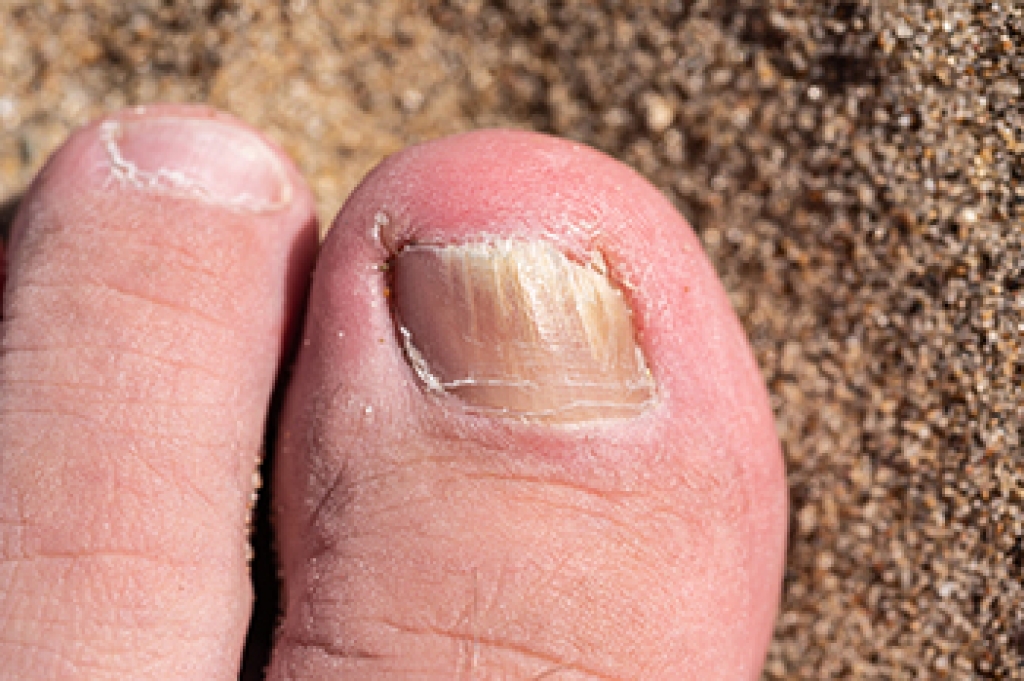
Fungal toenails develop gradually and affect the appearance and health of nails. Symptoms include thickened nails, discoloration ranging from yellow to brown, brittle edges, and changes in nail shape. Some people notice lifting of the nail from the nail bed, surface debris, or an unpleasant odor. Discomfort can occur when pressure is applied. Causes are linked to fungal organisms that thrive in warm, moist environments and enter through small breaks in the nail or surrounding skin. Risk factors include nail trauma, reduced circulation, and advancing age. Certain medical conditions and prolonged exposure to damp footwear or communal surfaces are other factors. A podiatrist can confirm the diagnosis through examination and testing and rule out other nail disorders. Medical treatment is aimed at clearing infection and protecting nail growth. If you have symptoms of toenail fungus, it is suggested that you make an appointment with a podiatrist for an exam, diagnosis, and treatment.

For more information about treatment, contact Yacara Tabb, DPM of Optimum Foot Care. Our doctor can provide the care you need to keep you pain-free and on your feet.

Toenail Fungus Treatment

Toenail fungus is a condition that affects many people and can be especially hard to get rid of. Fortunately, there are several methods to go about treating and avoiding it.

Antifungals & Deterrence

Oral antifungal medicine has been shown to be effective in many cases. It is important to consult with a podiatrist to determine the proper regiment for you, or potentially explore other options.

Applying foot powder on the feet and shoes helps keep the feet free of moisture and sweat.

Sandals or open toed shoes – Wearing these will allow air movement and help keep feet dry. They also expose your feet to light, which fungus cannot tolerate. Socks with moisture wicking material also help as well.

If you have any questions please contact our office located in Slidell, LA . We offer the newest diagnostic and treatment technologies for all your foot and ankle needs.

Read more about How to Treat Your Toenail Fungus

Cuboid Syndrome in Active Individuals

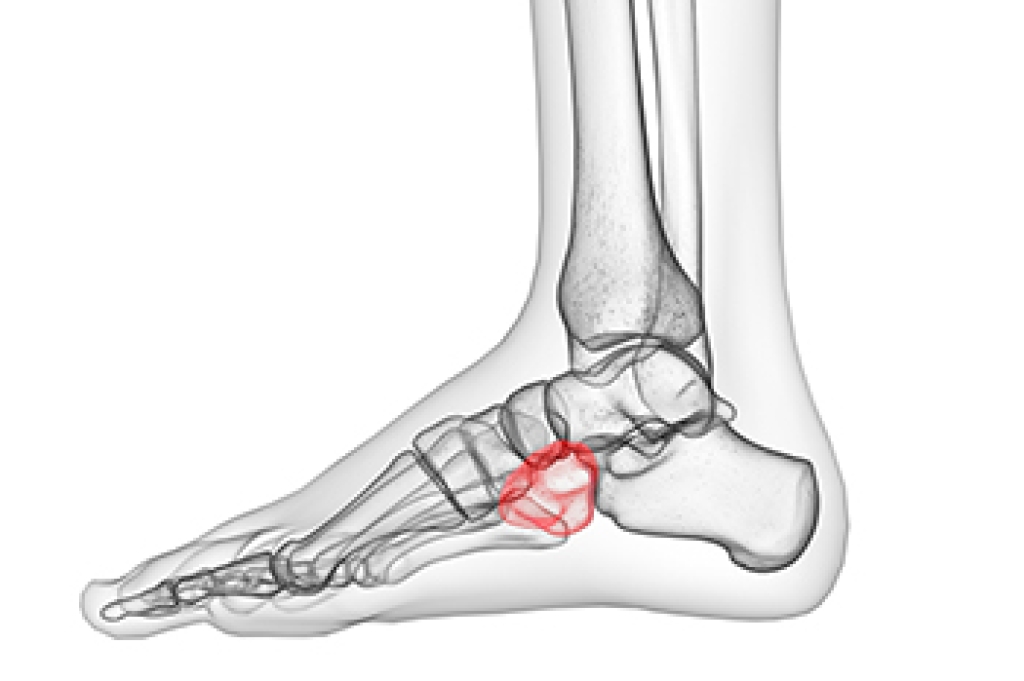
Cuboid syndrome is a foot condition that occurs when the cuboid bone on the outer side of the foot becomes partially displaced or loses its normal alignment. It commonly affects athletes because of repetitive stress, sudden changes in direction, or ankle injuries that strain the surrounding ligaments. Symptoms often include sharp or aching pain along the outside of the foot, tenderness, swelling, and difficulty pushing off during walking or running. Pain may worsen with activity and improve with rest. A podiatrist can accurately diagnose cuboid syndrome, restore proper joint alignment, reduce inflammation, and recommend supportive footwear or custom orthotics to prevent recurrence. If outer foot pain is limiting your athletic performance or daily movement, it is suggested that you consult a podiatrist who can provide an accurate diagnosis and treatment.

Cuboid syndrome, also known as cuboid subluxation, occurs when the joints and ligaments near the cuboid bone in the foot become torn. If you have cuboid syndrome, consult with Yacara Tabb, DPM from Optimum Foot Care. Our doctor will assess your condition and provide you with quality foot and ankle treatment.

Cuboid syndrome is a common cause of lateral foot pain, which is pain on the outside of the foot. The condition may happen suddenly due to an ankle sprain, or it may develop slowly overtime from repetitive tension through the bone and surrounding structures.

Causes

The most common causes of cuboid syndrome include:

  • Injury – The most common cause of this ailment is an ankle sprain.
  • Repetitive Strain – Tension placed through the peroneus longus muscle from repetitive activities such as jumping and running may cause excessive traction on the bone causing it to sublux.
  • Altered Foot Biomechanics – Most people suffering from cuboid subluxation have flat feet.

Symptoms

A common symptom of cuboid syndrome is pain along the outside of the foot which can be felt in the ankle and toes. This pain may create walking difficulties and may cause those with the condition to walk with a limp.

Diagnosis

Diagnosis of cuboid syndrome is often difficult, and it is often misdiagnosed. X-rays, MRIs and CT scans often fail to properly show the cuboid subluxation. Although there isn’t a specific test used to diagnose cuboid syndrome, your podiatrist will usually check if pain is felt while pressing firmly on the cuboid bone of your foot.

Treatment

Just as the range of causes varies widely, so do treatments. Some more common treatments are ice therapy, rest, exercise, taping, and orthotics.

If you have any questions, please feel free to contact our office located in Slidell, LA . We offer the newest diagnostic and treatment technologies for all your foot care needs.

Read more about Cuboid Syndrome

When a Painful Bump Develops Near the Little Toe

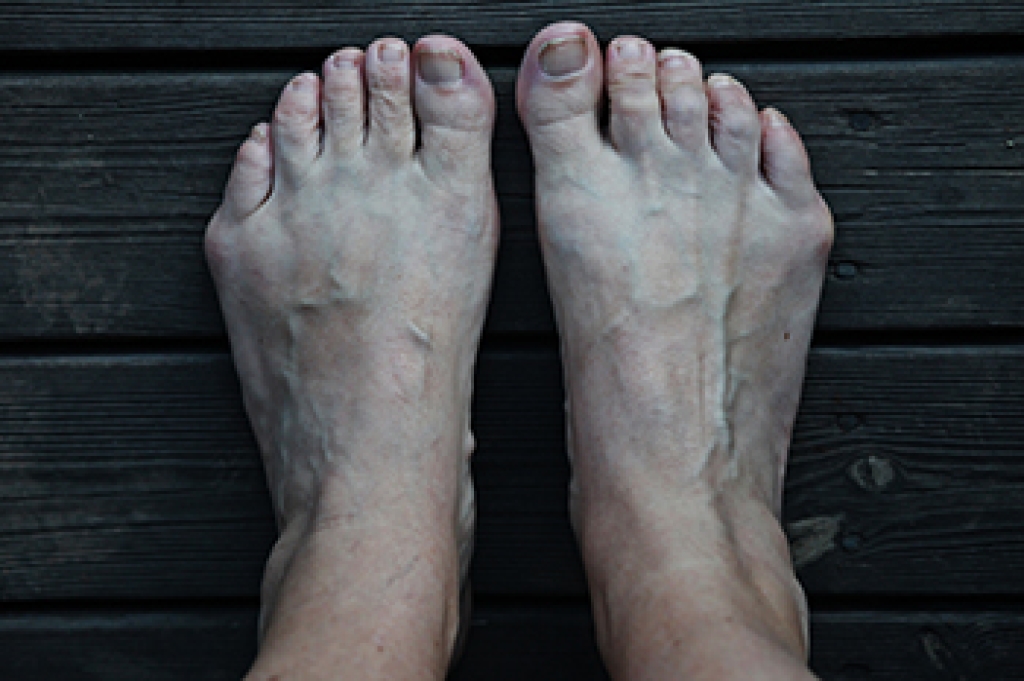
A tailor’s bunion, or bunionette, is a bony prominence that forms at the base of the little toe along the outer edge of the foot. It develops when the bone in this area shifts position or the surrounding tissue becomes irritated over time. Foot structure and genetics often play a role, and wearing narrow or tight shoes can worsen symptoms. People may notice redness, swelling, or a sore spot that rubs against footwear. Discomfort can increase with walking, standing, or wearing stiff shoes. Even mild cases may become painful if pressure continues. Although the bump may appear small, it can interfere with daily activities and shoe comfort. Early care focuses on reducing pressure to help prevent progression and ongoing irritation. Because symptoms can mimic other conditions, proper evaluation matters. If pain, swelling, or shoe irritation along the outer foot persists, it is suggested that you see a podiatrist for a diagnosis and appropriate treatment.

If you are suffering from bunion pain, contact Yacara Tabb, DPM of Optimum Foot Care. Our doctor can provide the care you need to keep you pain-free and on your feet.

What Is a Bunion?

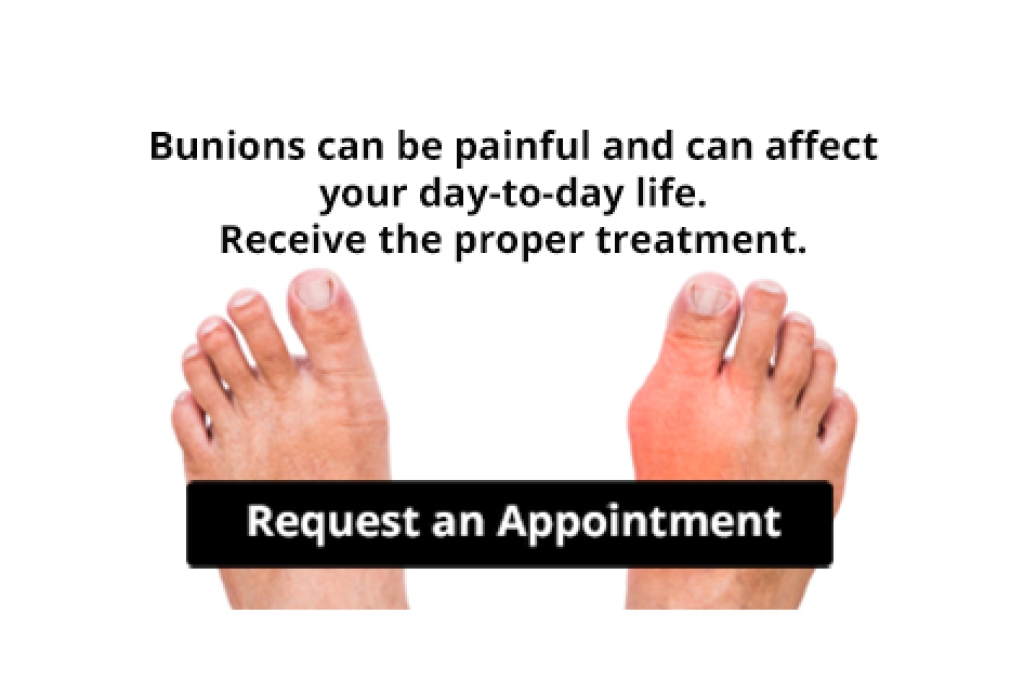
Bunions are painful bony bumps that usually develop on the inside of the foot at the joint of the big toe. As the deformity increases over time, it may become painful to walk and wear shoes. Women are more likely to exacerbate existing bunions since they often wear tight, narrow shoes that shift their toes together. Bunion pain can be relieved by wearing wider shoes with enough room for the toes.

Causes

  • Genetics – some people inherit feet that are more prone to bunion development
  • Inflammatory Conditions - rheumatoid arthritis and polio may cause bunion development

Symptoms

  • Redness and inflammation
  • Pain and tenderness
  • Callus or corns on the bump
  • Restricted motion in the big toe

In order to diagnose your bunion, your podiatrist may ask about your medical history, symptoms, and general health. Your doctor might also order an x-ray to take a closer look at your feet. Nonsurgical treatment options include orthotics, padding, icing, changes in footwear, and medication. If nonsurgical treatments don’t alleviate your bunion pain, surgery may be necessary.

If you have any questions, please feel free to contact our office located in Slidell, LA . We offer the newest diagnostic and treatment technologies for all your foot care needs.
Read more about Bunions

Swelling in the Ankles and Feet

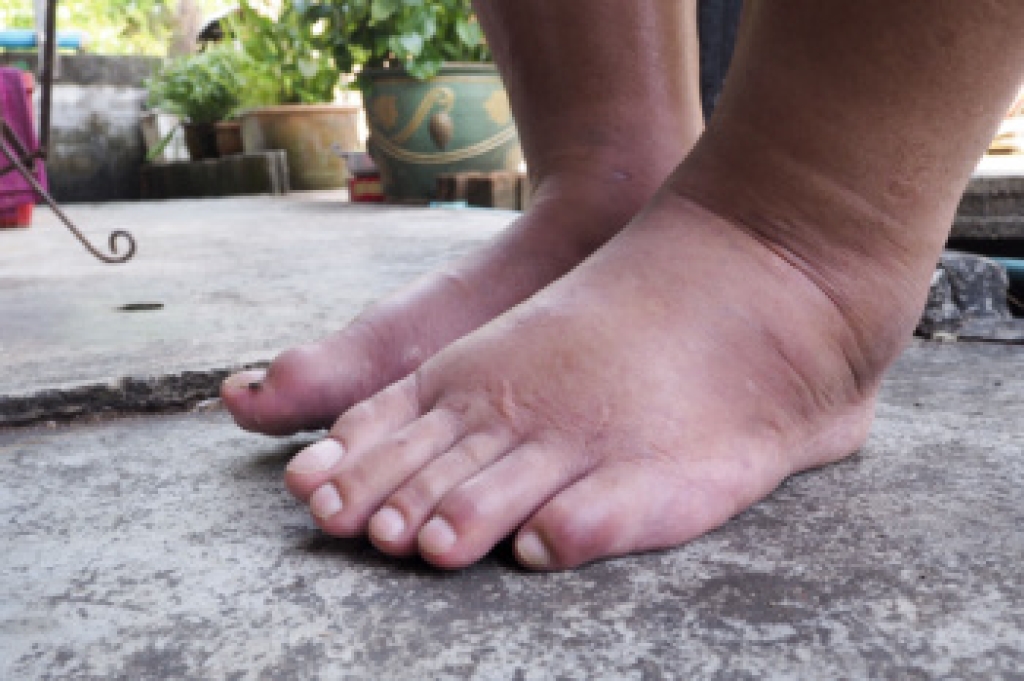
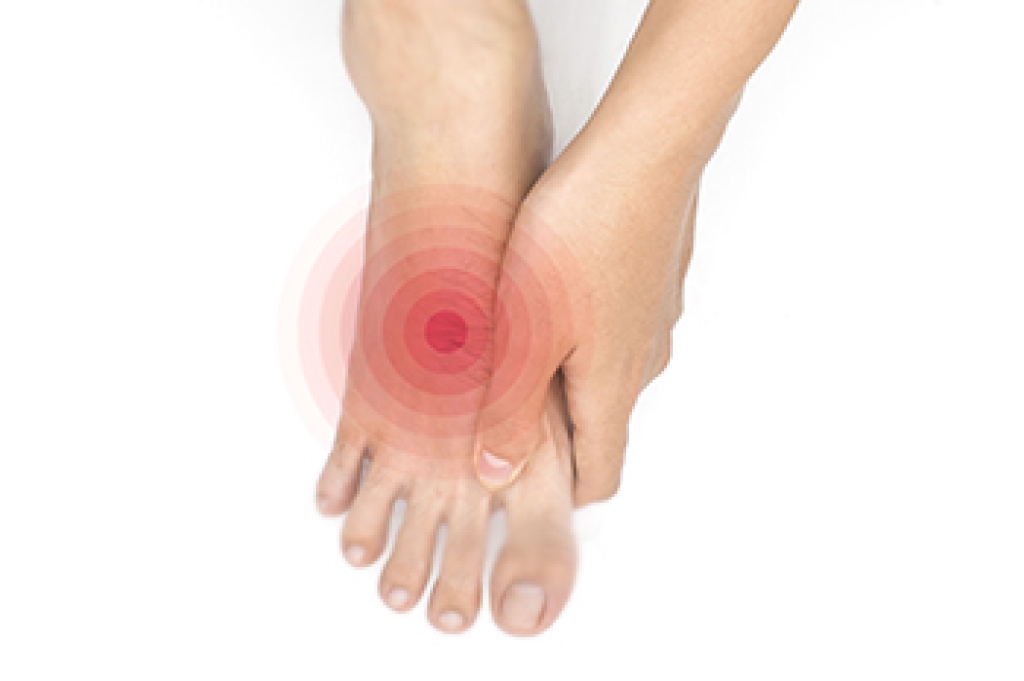
Swollen ankles and feet can develop for many reasons, ranging from simple fluid buildup after a long day to circulation problems, vein issues, medication effects, or conditions such as diabetes and arthritis. The swelling may feel tight, heavy, or warm, and shoes may suddenly feel snug. Some people notice puffiness that improves with rest, while others see persistent fullness that returns each day. Because the feet and ankles sit far from the heart, they are especially sensitive to changes in circulation and pressure. A podiatrist can evaluate the pattern of swelling, check skin and nail health, assess circulation, and identify whether the cause is mechanical, inflammatory, or related to an underlying medical condition. Treatment may include wearing supportive footwear, targeted compression, activity guidance, or wound care if the skin becomes affected. If swelling continues or begins to limit daily movement, it is suggested that you see a podiatrist for effective relief solutions.

Swollen feet can be a sign of an underlying condition. If you have any concerns, contact Yacara Tabb, DPM of Optimum Foot Care. Our doctor can provide the care you need to keep you pain-free and on your feet.

Swollen feet are a common ailment among pregnant women and people who stand or sit for extended periods. Aging may increase the possibility of swollen feet and patients who are obese often notice when their feet are swelling too. There may be medical reasons why swollen feet occur:

  • Phlebitis - A condition that causes the veins to become inflamed and can also cause leg pain.
  • Liver disease - This may lead to low blood levels of albumin which is a protein. This can cause fluid in the blood to pass into the tissues and several areas of the body can become swollen.
  • Heart failure - When the heart doesn’t pump properly the blood that is normally pumped back to the heart can pool in the veins of the legs causing swollen feet.
  • Kidney disease - One of the main functions of the kidneys is releasing excess fluid in the body. This type of condition can make it difficult for the kidneys to function properly, and as a result the feet may become swollen.
  • Deep-vein thrombosis (DVT)- This is a serious condition where blood clots form in the veins of the legs. They can block the return of blood from the legs to the heart which may cause the feet to swell. It is important to be treated by a podiatrist if this condition is present.

Swollen feet can also be caused by bone and tendon conditions, including fractures, arthritis, and tendinitis. Additionally, there may be skin and toenail conditions and an infection may cause the feet to swell. Patients who take medicine to treat high blood pressure may be prone to getting swollen feet. 

Many patients elevate their feet to help relieve the swelling and this is generally a temporary remedy. When a podiatrist is consulted the reason behind the swelling can be uncovered and subsequently treated.

If you have any questions please contact our office located in Slidell, LA . We offer the newest diagnostic and treatment technologies for all your foot and ankle needs.

Read more about Swelling of the Feet

Evaluating Foot Structure and Movement in People With Type 2 Diabetes

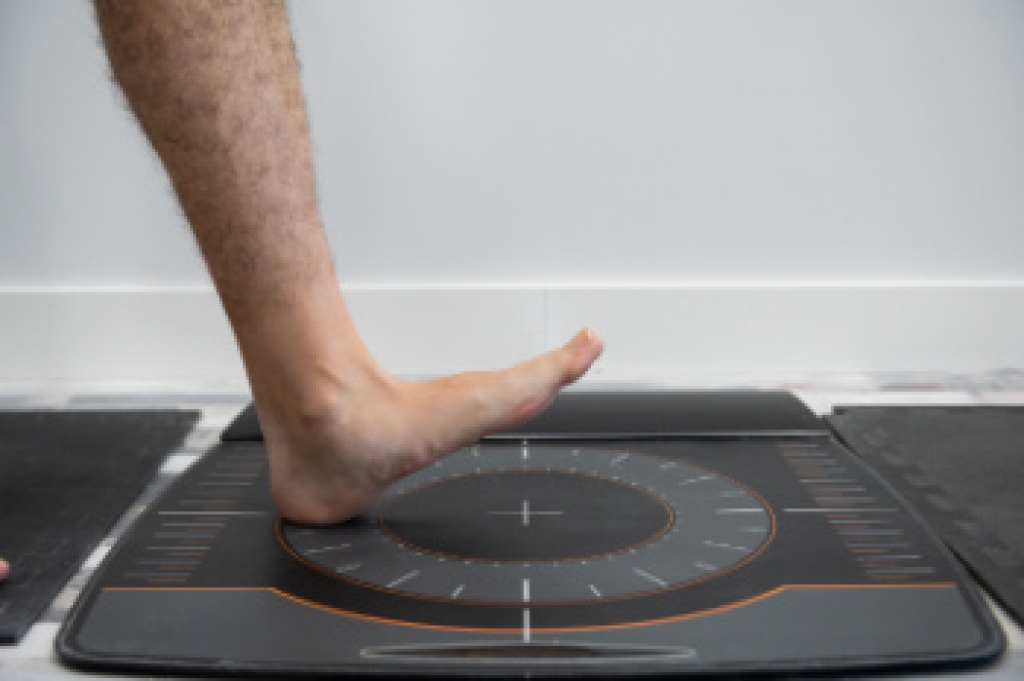
People living with type 2 diabetes often develop changes in the way their feet move and function, making regular evaluation essential. Over time, high blood sugar can affect nerves, soft tissues, and joint flexibility, which may alter foot shape or reduce natural motion. A podiatrist begins by observing how the foot bears weight, noting areas of pressure, instability, or collapse that may lead to pain or skin breakdown. Joint mobility is assessed through gentle movement of the toes, midfoot, and ankle to determine stiffness, laxity, or early deformities. These findings guide decisions about protective footwear, custom orthotics, and activity modifications to prevent complications. Understanding how the foot functions as a whole allows for earlier intervention and safer long-term mobility. To protect your foot health, it is suggested that you see a podiatrist regularly if you have type 2 diabetes.

If you have any concerns about your feet, contact Yacara Tabb, DPM from Optimum Foot Care. Our doctor can provide the care you need to keep you pain-free and on your feet.

Biomechanics in Podiatry

Podiatric biomechanics is a particular sector of specialty podiatry with licensed practitioners who are trained to diagnose and treat conditions affecting the foot, ankle and lower leg. Biomechanics deals with the forces that act against the body, causing an interference with the biological structures. It focuses on the movement of the ankle, the foot and the forces that interact with them.

A History of Biomechanics

  • Biomechanics dates back to the BC era in Egypt where evidence of professional foot care has been recorded.
  • In 1974, biomechanics gained a higher profile from the studies of Merton Root, who claimed that by changing or controlling the forces between the ankle and the foot, corrections or conditions could be implemented to gain strength and coordination in the area.

Modern technological improvements are based on past theories and therapeutic processes that provide a better understanding of podiatric concepts for biomechanics. Computers can provide accurate information about the forces and patterns of the feet and lower legs.

Understanding biomechanics of the feet can help improve and eliminate pain, stopping further stress to the foot.

If you have any questions please feel free to contact our office located in Slidell, LA . We offer the newest diagnostic and treatment technologies for all your foot and ankle needs.

Read more about The Importance of Biomechanics in Podiatry

Types of Diabetic Foot Problems

Diabetes is a chronic condition in which the body has difficulty regulating blood sugar, leading to changes that can affect the feet. Diabetic foot problems develop when nerve damage and poor circulation interfere with normal sensation and healing. Loss of feeling in the feet is common and may prevent awareness of cuts or pressure injuries. Changes in skin color or temperature can signal circulation issues, while fungal infections may develop more easily due to weakened skin defenses. Risk factors include long-standing diabetes, poor blood sugar control, smoking, improper footwear, and limited mobility. A podiatrist can help by performing routine foot exams, identifying early changes, treating infections, and providing guidance on proper foot care and footwear. Custom orthotics and preventive care can reduce pressure and protect the feet. If you have diabetes or notice numbness, skin changes, or infections, it is strongly suggested that you are under the care of a podiatrist who can help you to manage this serious condition.

Diabetic foot care is important in preventing foot ailments such as ulcers. If you are suffering from diabetes or have any other concerns about your feet, contact Yacara Tabb, DPM from Optimum Foot Care. Our doctor can provide the care you need to keep you pain-free and on your feet.

Diabetic Foot Care

Diabetes affects millions of people every year. The condition can damage blood vessels in many parts of the body, especially the feet. Because of this, taking care of your feet is essential if you have diabetes, and having a podiatrist help monitor your foot health is highly recommended.

The Importance of Caring for Your Feet

  • Routinely inspect your feet for bruises or sores.
  • Wear socks that fit your feet comfortably.
  • Wear comfortable shoes that provide adequate support.

Patients with diabetes should have their doctor monitor their blood levels, as blood sugar levels play such a huge role in diabetic care. Monitoring these levels on a regular basis is highly advised.

It is always best to inform your healthcare professional of any concerns you may have regarding your feet, especially for diabetic patients. Early treatment and routine foot examinations are keys to maintaining proper health, especially because severe complications can arise if proper treatment is not applied.

If you have any questions, please feel free to contact our office located in Slidell, LA . We offer the newest diagnostic and treatment technologies for all your foot care needs.

Read more about How to Care for Diabetic Foot

Causes of Swollen Feet During Pregnancy

Swollen feet in pregnancy are very common and often occur when the body holds extra fluid and pressure increases on the veins in the legs. Hormonal changes, warm weather, and standing for long periods of time can make swelling worse and may lead to discomfort or a heavy feeling in the feet and ankles. Preventing swelling can include drinking plenty of water, staying active with gentle movement, and avoiding long periods of standing or sitting in one position. Wearing supportive shoes can also make a difference. A podiatrist can assess your feet, recommend safe ways to manage swelling, and provide guidance on footwear and orthotics that improve comfort. If swelling from pregnancy is affecting your daily routine, it is suggested that you schedule an appointment with a podiatrist who can offer effective relief tips.

Pregnant women with swollen feet can be treated with a variety of different methods that are readily available. For more information about other cures for swollen feet during pregnancy, consult with Yacara Tabb, DPM from Optimum Foot Care. Our doctor will attend to all of your foot and ankle needs.

What Foot Problems Can Arise During Pregnancy?

One problem that can occur is overpronation, which occurs when the arch of the foot flattens and tends to roll inward.  This can cause pain and discomfort in your heels while you’re walking or even just standing up, trying to support your baby.  

Another problem is edema, or swelling in the extremities. This often affects the feet during pregnancy but tends to occur in the later stages. 

How Can I Keep My Feet Healthy During Pregnancy?

  • Wearing orthotics can provide extra support for the feet and help distribute weight evenly
  • Minimize the amount of time spent walking barefoot
  • Wear shoes with good arch support
  • Wear shoes that allow for good circulation to the feet
  • Elevate feet if you experience swelling
  • Massage your feet
  • Get regular, light exercise, such as walking, to promote blood circulation to the feet

If you have any questions, please feel free to contact our office located in Slidell, LA . We offer the newest diagnostic and treatment technologies for all your foot care needs.
Read more about Pregnancy and Foot Health

Dealing With Severe Athlete’s Foot

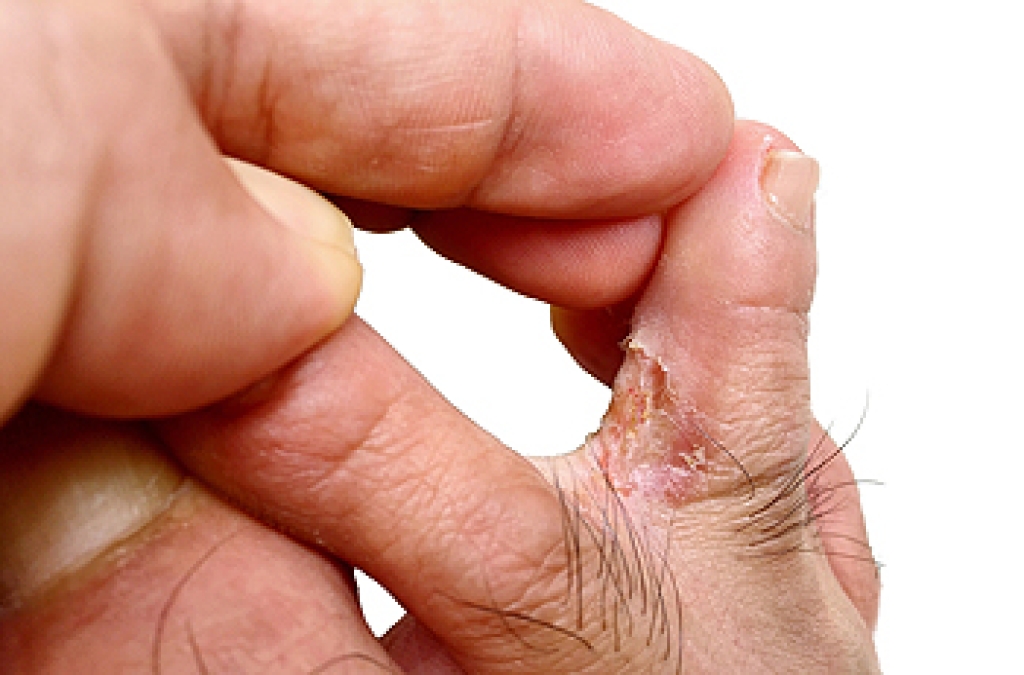
Severe athlete's foot occurs when the fungal infection causing it extends beyond the toes and affects the entire foot. This condition can result in intense itching, redness, and discomfort, often accompanied by painful blisters called vesicles, or open, pitted sores on the skin. The skin may peel, crack, or become inflamed, making it difficult to walk or wear shoes. The infection can also spread to the toenails or other areas of the foot, leading to a more persistent and severe condition. The cause of severe athlete's foot is a fungal infection that thrives in warm, moist environments. Poor foot hygiene, sweaty socks, tight shoes, and walking barefoot in certain public places can increase the risk of becoming infected. Symptoms often worsen with movement or activity, causing a burning or stinging sensation. A podiatrist can provide treatment by prescribing antifungal medication or oral treatments. They may also recommend proper foot care techniques to prevent reinfection and address any complications. If you are dealing with severe athlete’s foot, it is suggested that you make an appointment with a podiatrist for a proper diagnosis and treatment.

Athlete’s foot is an inconvenient condition that can be easily reduced with the proper treatment. If you have any concerns about your feet and ankles, contact Yacara Tabb, DPM from Optimum Foot Care.  Our doctor will treat your foot and ankle needs.

Athlete’s Foot: The Sole Story

Athlete's foot, also known as tinea pedis, can be an extremely contagious foot infection. It is commonly contracted in public changing areas and bathrooms, dormitory style living quarters, around locker rooms and public swimming pools, or anywhere your feet often come into contact with other people.

Solutions to Combat Athlete’s Foot

  • Hydrate your feet by using lotion
  • Exfoliate
  • Buff off nails
  • Use of anti-fungal products
  • Examine your feet and visit your doctor if any suspicious blisters or cuts develop

Athlete’s foot can cause many irritating symptoms such as dry and flaking skin, itching, and redness. Some more severe symptoms can include bleeding and cracked skin, intense itching and burning, and even pain when walking. In the worst cases, Athlete’s foot can cause blistering as well. Speak to your podiatrist for a better understanding of the different causes of Athlete’s foot, as well as help in determining which treatment options are best for you.

If you have any questions please feel free to contact our office located in Slidell, LA . We offer the newest diagnostic and treatment technologies for all your foot and ankle needs.

Read more about Athlete's Foot
Advanced Podiatric Procedures & Services in the areas