
Have your child's feet been examined lately? Healthy feet are happy feet. If your child is complaining of foot pain, it may be a sign of underlying problems.


Have your child's feet been examined lately? Healthy feet are happy feet. If your child is complaining of foot pain, it may be a sign of underlying problems.
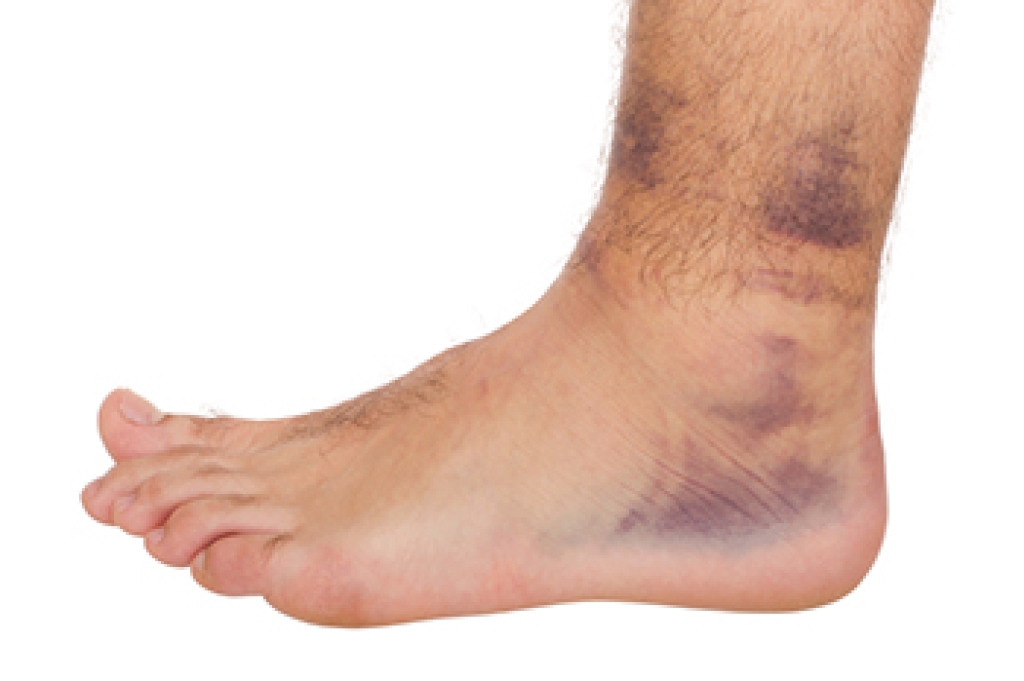
An ankle sprain occurs when the foot twists, rolls, or turns beyond its normal range and stretches the ligaments that support the ankle. Ligaments are bands of tissue that help hold the ankle joint in position. A sprain can happen during sports or after a step on an uneven surface. The force of landing with the foot at an awkward angle can stretch or tear these tissues. Pain and swelling can develop quickly. Some patients hear a pop at the time of injury. A severe sprain can also make bearing weight difficult.
Ankle sprains are graded according to the amount of ligament damage. A grade 1 sprain involves mild stretching and limited damage. Grade 2 involves a partial tear and can cause reduced movement, while a grade 3 involves a complete ligament tear and can make the ankle unstable. Pain, swelling, and bruising can help show how serious the injury is. A broken bone can produce similar symptoms, so determining the exact cause matters. Repeated sprains can lead to chronic pain or a feeling that the ankle gives way.
A podiatrist can examine the injured ankle, check its movement, and determine which ligaments are affected. X-rays can help rule out a fracture when symptoms make the injuries difficult to distinguish. Treatment depends on the grade of the sprain and the stability of the ankle. A podiatrist can also check for joint damage after a serious sprain. A podiatrist can provide immobilization and supportive devices to protect the injured tissues while they heal. Proper treatment also helps reduce the risk of repeated sprains and long-term instability. If you have sprained an ankle, it is suggested that you schedule an appointment with a podiatrist for effective relief and treatment solutions..
Ankle sprains are common but need immediate attention. If you need your feet checked, contact Yacara Tabb, DPM from Optimum Foot Care. Our doctor can provide the care you need to keep you pain-free and on your feet.
How Does an Ankle Sprain Occur?
Ankle sprains take place when the ligaments in your ankle are torn or stretched beyond their limits. There are multiple ways that the ankle can become injured, including twisting or rolling over onto your ankle, putting undue stress on it, or causing trauma to the ankle itself.
What Are the Symptoms?
Preventing a Sprain
Treatment of a Sprain
Treatment of a sprain depends on the severity. Many times, people are told to rest and remain off their feet completely, while others are given an air cast. If the sprain is very severe, surgery may be required.
If you have suffered an ankle sprain previously, you may want to consider additional support such as a brace and regular exercises to strengthen the ankle.
If you have any questions please feel free to contact our office located in Slidell, LA . We offer the newest diagnostic tools and technology to treat your foot and ankle needs.
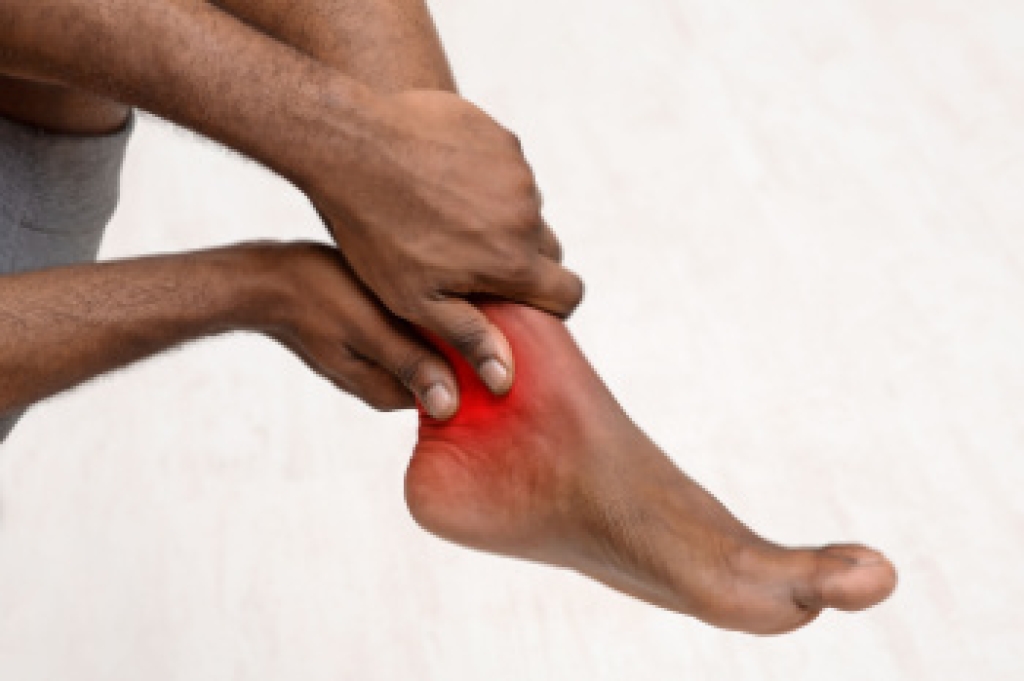
Arthritis of the foot and ankle can cause ongoing pain, stiffness, and difficulty with movement. The condition develops when a joint becomes damaged or inflamed, affecting how smoothly the bones move together. Osteoarthritis often results from gradual wear of joint cartilage, while other forms of arthritis may have different causes. Previous injuries can also lead to arthritis years later. Foot and ankle sprains or strains may damage supporting tissues and affect joint stability. These changes can make walking, standing, and other weight-bearing activities uncomfortable. Symptoms may develop slowly and become more noticeable as joint damage progresses.
Arthritis symptoms can vary based on the joints involved and the severity of the condition. Pain may increase with walking or other activities that place pressure on the foot and ankle. Swelling and stiffness can make it harder to move the joint normally. Some people may also notice changes in the shape of the foot or difficulty wearing certain shoes comfortably. A history of ankle sprains or other injuries may be important because damaged joints can develop arthritis later. Since foot and ankle pain can have several causes, a professional evaluation can distinguish arthritis from a current sprain, strain, or another condition.
A podiatrist can evaluate arthritis-related foot and ankle pain and determine how the condition is affecting movement. The examination may include checking joint motion, areas of tenderness, and the way the patient walks. Imaging may be recommended to examine joint damage or changes in the bones. Podiatry treatment is based on the type and severity of arthritis and may focus on reducing discomfort, improving mobility, and supporting the affected joints. A podiatrist can also address problems related to previous sprains or strains that may influence foot and ankle function. If arthritis-related foot or ankle pain, stiffness, or swelling is making daily movement difficult, it is suggested that you consult a podiatrist for an evaluation and appropriate treatment options.
Arthritis can be a difficult condition to live with. If you are seeking treatment, contact Yacara Tabb, DPM from Optimum Foot Care. Our doctor can provide the care you need to keep you pain-free and on your feet.
Arthritic Foot Care
Arthritis is a joint disorder that involves the inflammation of different joints in your body, such as those in your feet. Arthritis is often caused by a degenerative joint disease and causes mild to severe pain in all affected areas. In addition to this, swelling and stiffness in the affected joints can also be a common symptom of arthritis.
In many cases, wearing ill-fitting shoes can worsen the effects and pain of arthritis. Wearing shoes that have a lower heel and extra room can help your feet feel more comfortable. In cases of rheumatoid arthritis, the arch in your foot may become problematic. Buying shoes with proper arch support that contour to your feet can help immensely.
Alleviating Arthritic Pain
It is best to see your doctor for the treatment that is right for your needs and symptoms. Conditions vary, and a podiatrist can help you determine the right method of care for your feet.
If you have any questions please feel free to contact our office located in Slidell, LA . We offer the newest diagnostic tools and technology to treat your foot and ankle needs.
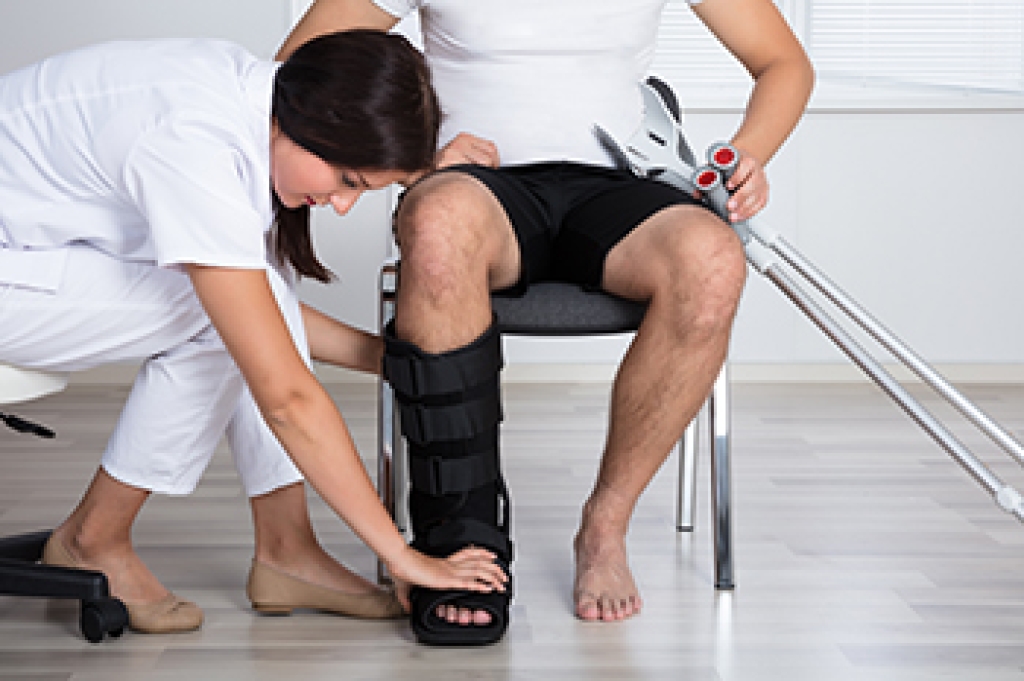
Off-loading devices are an essential part of modern foot care. They provide mechanical support that reduces pressure on sensitive or injured areas of the foot. These devices are designed to shift weight away from problem areas, allowing the skin and underlying tissues to heal more effectively. They are often used in cases involving ulcers, chronic pain, and conditions that place excessive stress on certain parts of the foot.
Patients who require off-loading devices may experience ongoing pain, tenderness, or slow healing wounds. Redness, swelling, and areas of increased pressure can signal that the foot is under strain and needs additional support. By reducing contact and friction, off-loading devices help relieve discomfort and prevent further damage. This approach not only improves comfort, but also promotes faster healing and better long-term outcomes.
Several types of off-loading devices are available, depending on the specific condition. Total contact casting provides a close fitting structure that evenly distributes pressure and limits movement that may interfere with healing. Removable cast walkers offer similar benefits with the added convenience of removal for hygiene and monitoring. Custom orthotics are designed to correct foot mechanics and provide targeted support. This can help to reduce stress on vulnerable areas during daily activities.
Risk factors such as diabetes, neuropathy, and poor circulation can increase the likelihood of needing off-loading devices. Individuals with foot deformities or a history of injury may also be at greater risk of pressure-related problems. Proper evaluation is important to determine the most effective treatment approach. A podiatrist can recommend the right device and ensure proper fit and use. If you are dealing with a foot condition that may require pressure relief or orthotics, it is strongly suggested that you consult a podiatrist who can determine the type of orthotics that is right for you.
If you are having discomfort in your feet and would like to try orthotics, contact Yacara Tabb, DPM from Optimum Foot Care. Our doctor can provide the care you need to keep you pain-free and on your feet.
What Are Orthotics?
Orthotics are inserts you can place into your shoes to help with a variety of foot problems such as flat feet or foot pain. Orthotics provide relief and comfort for minor foot and heel pain but can’t correct serious biomechanical problems in your feet.
Over-the-Counter Inserts
Orthotics come in a wide variety of over-the-counter inserts that are used to treat foot pain, heel pain, and minor problems. For example, arch supports can be inserted into your shoes to help correct overarched or flat feet, while gel insoles are often used because they provide comfort and relief from foot and heel pain by alleviating pressure.
Prescription Orthotics
If over-the-counter inserts don’t work for you or if you have a more severe foot concern, it is possible to have your podiatrist prescribe custom orthotics. These high-quality inserts are designed to treat problems such as abnormal motion, plantar fasciitis, and severe forms of heel pain. They can even be used to help patients suffering from diabetes by treating foot ulcers and painful calluses and are usually molded to your feet individually, which allows them to provide full support and comfort.
If you are experiencing minor to severe foot or heel pain, it’s recommended to speak with your podiatrist about the possibilities of using orthotics. A podiatrist can determine which type of orthotic is right for you and allow you to take the first steps towards being pain-free.
If you have any questions, please feel free to contact our office located in Slidell, LA . We offer the newest diagnostic and treatment technologies for all your foot care needs.
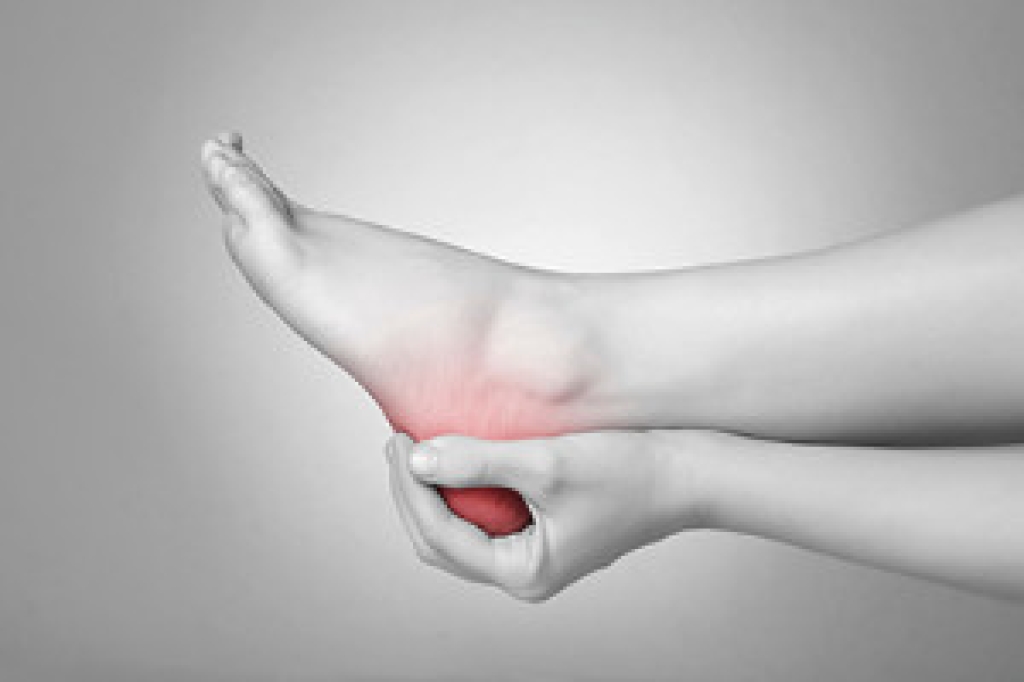
Heel pain can develop from several conditions that affect the structures surrounding the foot and ankle. The heel absorbs a significant amount of pressure during standing, walking, and physical activity, making it vulnerable to stress and injury. Pain may occur underneath the heel, around the sides of the foot, or at the back near the Achilles tendon. Identifying the location and type of discomfort can help determine the possible cause and appropriate treatment approach.
Symptoms of heel pain may include sharp pain, dull aching sensations, and stiffness. Sharp pain is often noticed with the first steps after waking up or after extended periods of inactivity. Dull pain may develop after long periods of standing or exercise. Some individuals may also experience difficulty walking, reduced mobility, or discomfort when wearing certain shoes. These symptoms can affect daily activities if not addressed properly.
Plantar fasciitis and Achilles tendonitis are two leading causes of heel pain. Plantar fasciitis involves inflammation and irritation of the plantar fascia, causing pain underneath the heel and along the arch. Achilles tendonitis affects the tendon at the back of the heel and often develops from repetitive stress. Symptoms of Achilles tendonitis include stiffness, tenderness, and pain that worsens with movement. Risk factors can include running, jumping activities, and wearing poor footwear. In addition to excess body weight, and limited flexibility.
Managing heel pain requires identifying the cause and addressing contributing factors. Wearing supportive footwear, stretching exercises, and activity modifications can help reduce strain on the affected tissues. Early evaluation can improve comfort and prevent further complications. If you have heel pain, it is suggested that you consult a podiatrist for an accurate diagnosis and appropriate treatment plan.
Many people suffer from bouts of heel pain. For more information, contact Yacara Tabb, DPM of Optimum Foot Care. Our doctor can provide the care you need to keep you pain-free and on your feet.
Causes of Heel Pain
Heel pain is often associated with plantar fasciitis. The plantar fascia is a band of tissues that extends along the bottom of the foot. A rip or tear in this ligament can cause inflammation of the tissue.
Achilles tendonitis is another cause of heel pain. Inflammation of the Achilles tendon will cause pain from fractures and muscle tearing. Lack of flexibility is also another symptom.
Heel spurs are another cause of pain. When the tissues of the plantar fascia undergo a great deal of stress, it can lead to ligament separation from the heel bone, causing heel spurs.
Why Might Heel Pain Occur?
Treatments
Heel pain should be treated as soon as possible for immediate results. Keeping your feet in a stress-free environment will help. If you suffer from Achilles tendonitis or plantar fasciitis, applying ice will reduce the swelling. Stretching before an exercise like running will help the muscles. Using all these tips will help make heel pain a condition of the past.
If you have any questions, please feel free to contact our office located in Slidell, LA . We offer the newest diagnostic and treatment technologies for all your foot care needs.

Rheumatoid arthritis, often referred to as RA, is a chronic autoimmune condition in which the immune system mistakenly attacks the lining of the joints. This attack targets the connective tissue that supports and cushions the joints, leading to inflammation and damage over time. Unlike wear-and-tear arthritis, rheumatoid arthritis affects both sides of the body and can involve multiple joints, including those in the feet and ankles. The condition can interfere with daily movement and may progress if not properly managed.
Symptoms of rheumatoid arthritis in the feet commonly include painful inflammation, stiffness, and swelling in the joints. These symptoms are often worse in the morning or after periods of rest. Individuals may notice difficulty walking, reduced flexibility, and tenderness in the ball of the foot or toes. As the condition advances, joint deformities may develop, which can change foot shape and increase pressure in certain areas. Persistent discomfort can make routine activities more challenging.
The cause of rheumatoid arthritis is linked to an abnormal immune response, although the exact trigger is not fully understood. The immune system attacks the joint lining, causing inflammation that can damage cartilage and bone. This process can lead to joint instability and reduced function. Complications may extend beyond the joints and include skin issues, such as nodules, and circulatory concerns that affect overall health. These systemic effects highlight the importance of early recognition and care.
Risk factors for rheumatoid arthritis include genetic predisposition, female gender, and certain environmental influences. The condition can develop at any age, but is more common in middle-aged adults. Managing symptoms early can help protect joint health and maintain mobility. Wearing supportive footwear and regular monitoring can reduce stress on affected joints. If you have symptoms of RA in your feet, it is suggested that you are under the care of a podiatrist who can offer effective relief and management tips.
Because RA affects more than just your joints, including the joints in your feet and ankles, it is important to seek early diagnosis from your podiatrist if you feel like the pain in your feet might be caused by RA. For more information, contact Yacara Tabb, DPM of Optimum Foot Care. Our doctor will assist you with all of your podiatric concerns.
What Is Rheumatoid Arthritis?
Rheumatoid Arthritis (RA) is an autoimmune disorder in which the body’s own immune system attacks the membranes surrounding the joints. Inflammation of the lining and eventually the destruction of the joint’s cartilage and bone occur, causing severe pain and immobility.
Rheumatoid Arthritis of the Feet
Although RA usually attacks multiple bones and joints throughout the entire body, almost 90 percent of cases result in pain in the foot or ankle area.
Symptoms
Diagnosis
Quick diagnosis of RA in the feet is important so that the podiatrist can treat the area effectively. Your doctor will ask you about your medical history, occupation, and lifestyle to determine the origin of the condition. Rheumatoid Factor tests help to determine if someone is affected by the disease.
If you have any questions, please feel free to contact our office located in Slidell, LA . We offer the newest diagnostic and treatment technologies for all your foot care needs.

Custom orthotics, or shoe inserts, should be periodically replaced. Orthotics must fit properly to give you the best results. Protect your feet and ankles!
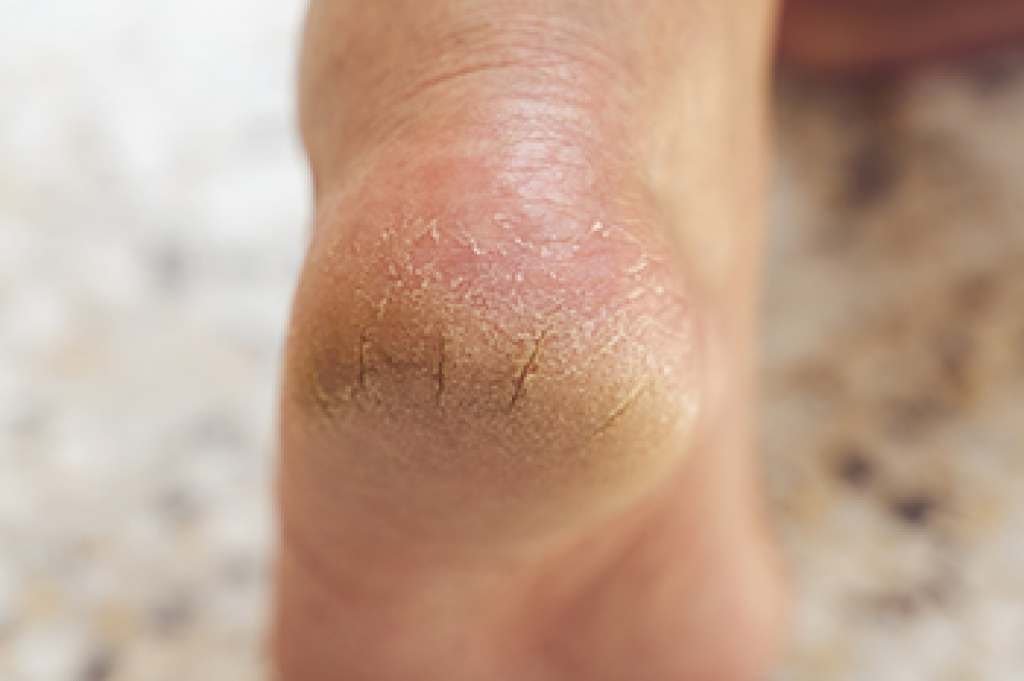
Cracked heels develop when the skin around the heel becomes dry, thick, and less flexible. Some cracks remain shallow, while others become deeper and make daily activities uncomfortable. As pressure is placed on the heel during standing and walking, the skin may split, creating painful cracks known as fissures. Common symptoms of cracked heels include dry skin, rough patches, and heel pain. In more severe cases, the cracks may bleed or become irritated. People who spend long periods standing or have certain medical conditions may have a greater risk of developing cracked heels. Because untreated cracks can worsen, a professional evaluation is important to determine the severity of the condition and recommend appropriate treatment.
Cracked heels can affect more than comfort. Deep fissures may make walking painful and increase the risk of infection if the skin barrier is damaged. Ongoing heel pain may also change the way a person walks, placing extra stress on the ankles, knees, and hips. This altered movement can contribute to discomfort in other parts of the lower body. A thorough podiatry evaluation helps identify the underlying cause of cracked heels and determine whether additional foot conditions are contributing to the problem. Early diagnosis supports more effective treatment and helps prevent complications.
A podiatrist specializes in diagnosing and treating cracked heels while addressing the factors that contribute to the condition. Professional treatment focuses on reducing discomfort, improving skin health, and restoring normal foot function. A podiatrist also evaluates foot structure and walking mechanics to identify issues that may place excessive pressure on the heels. Early podiatry care can help prevent deeper cracks and reduce the risk of long-term complications. If cracked heels are causing pain or making it difficult to walk comfortably, it is suggested that you consult a podiatrist for an evaluation and appropriate treatment options.
Cracked heels are unsightly and can cause further damage to your shoes and feet. If you have any concerns, contact Yacara Tabb, DPM from Optimum Foot Care. Our doctor can provide the care you need to keep you pain-free and on your feet.
Cracked Heels
Cracked heels appear unappealing and can make it harder for you walk around in sandals. Aside from looking unpleasant, cracked heels can also tear stockings, socks, and wear out your shoes. There are several methods to help restore a cracked heel and prevent further damage.
How Do You Get Them?
Dry skin is the number one culprit in creating cracked heels. Many athletes, walkers, joggers, and even swimmers suffer from cracked heels. Age and skin oil production play a role to getting cracked heels as well.
Promote Healing
Over the counter medicines can help, especially for those that need instant relief or who suffer from chronic dry feet.
Wear Socks – Wearing socks with medicated creams helps lock in moisture.
Moisturizers – Applying both day and night will help alleviate dryness which causes cracking.
Pumice Stones – These exfoliate and remove dead skin, which allows for smoother moisturizer application and better absorption into the skin.
Change in Diet
Eating healthy with a well-balanced diet will give the skin a fresh and radiant look. Your body responds to the kinds of food you ingest. Omega-3 fatty acids and zinc supplements can also revitalize skin tissue.
Most importantly, seek professional help if unsure how to proceed in treating cracked heels. A podiatrist will help you with any questions or information needed.
If you have any questions, please feel free to contact our office located in Slidell, LA . We offer the newest diagnostic and treatment technologies for all your foot care needs.
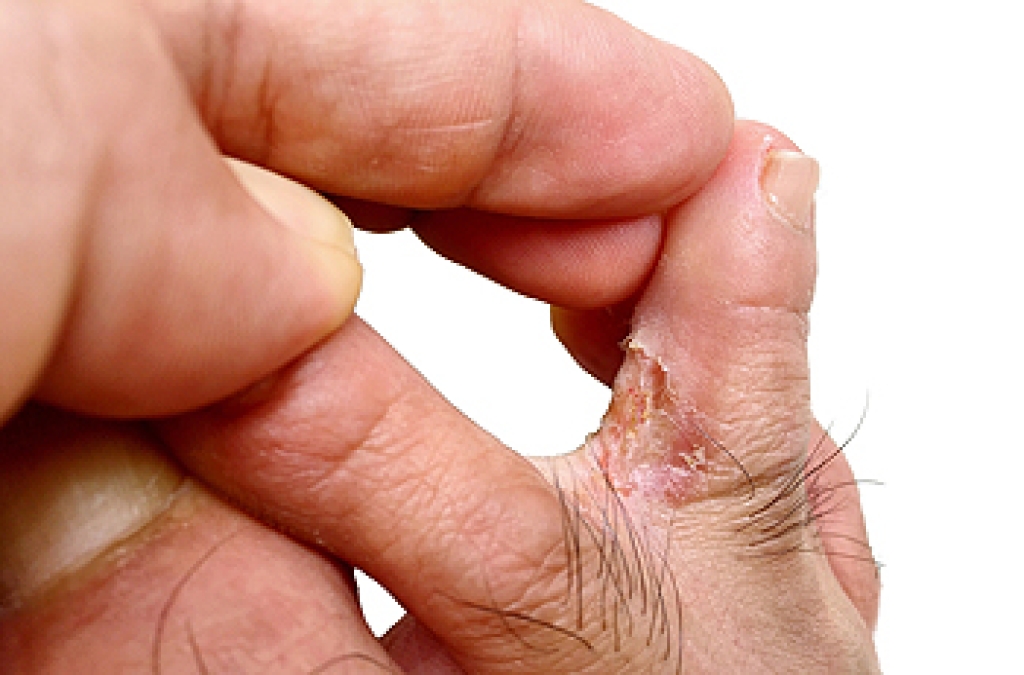
Athlete’s foot is a fungal skin infection that commonly affects the feet, especially the spaces between the toes. It develops when fungi grow in warm, moist environments and spread across the outer layer of skin. This condition is contagious and can be transmitted through shared surfaces such as locker rooms and showers. In some cases, small bumps may appear along with other skin changes, which can make the infection more noticeable. Understanding how to identify athlete’s foot early can help prevent progression and reduce discomfort.
Symptoms of athlete’s foot often include itching, burning, and irritation of the skin. The affected area may appear red, flaky, or cracked, particularly between the toes. Some individuals develop small fluid-filled bumps that may cause additional sensitivity. The skin can become soft or soggy due to excess moisture, and an unpleasant odor may also be present. These symptoms may worsen with continued exposure to damp conditions or tight footwear.
Several causes contribute to the development of athlete’s foot. Fungi thrive in consistently warm and damp environments, making sweaty feet and enclosed shoes a common factor. Walking barefoot in public areas increases exposure to infectious organisms. Additional contributing factors include minor skin injuries and poor hygiene habits. Individuals with a weakened immune system, a genetic predisposition, or poor circulation may be more vulnerable to infection and slower healing.
Risk factors include frequent use of communal facilities, prolonged moisture exposure, and wearing non-breathable shoes. People who experience excessive sweating or have underlying health conditions may face increased risk. Identifying athlete’s foot involves recognizing persistent itching, peeling skin, and the presence of bumps or irritation in typical areas. Early treatment and proper foot care can prevent spread and recurrence. If you have athlete’s foot or related bumps, it is suggested that you consult a podiatrist for effective relief and treatment solutions, which may include prescribed medication.
Athlete’s foot is an inconvenient condition that can be easily reduced with the proper treatment. If you have any concerns about your feet and ankles, contact Yacara Tabb, DPM from Optimum Foot Care. Our doctor will treat your foot and ankle needs.
Athlete’s Foot: The Sole Story
Athlete's foot, also known as tinea pedis, can be an extremely contagious foot infection. It is commonly contracted in public changing areas and bathrooms, dormitory style living quarters, around locker rooms and public swimming pools, or anywhere your feet often come into contact with other people.
Solutions to Combat Athlete’s Foot
Athlete’s foot can cause many irritating symptoms such as dry and flaking skin, itching, and redness. Some more severe symptoms can include bleeding and cracked skin, intense itching and burning, and even pain when walking. In the worst cases, Athlete’s foot can cause blistering as well. Speak to your podiatrist for a better understanding of the different causes of Athlete’s foot, as well as help in determining which treatment options are best for you.
If you have any questions please feel free to contact our office located in Slidell, LA . We offer the newest diagnostic and treatment technologies for all your foot and ankle needs.
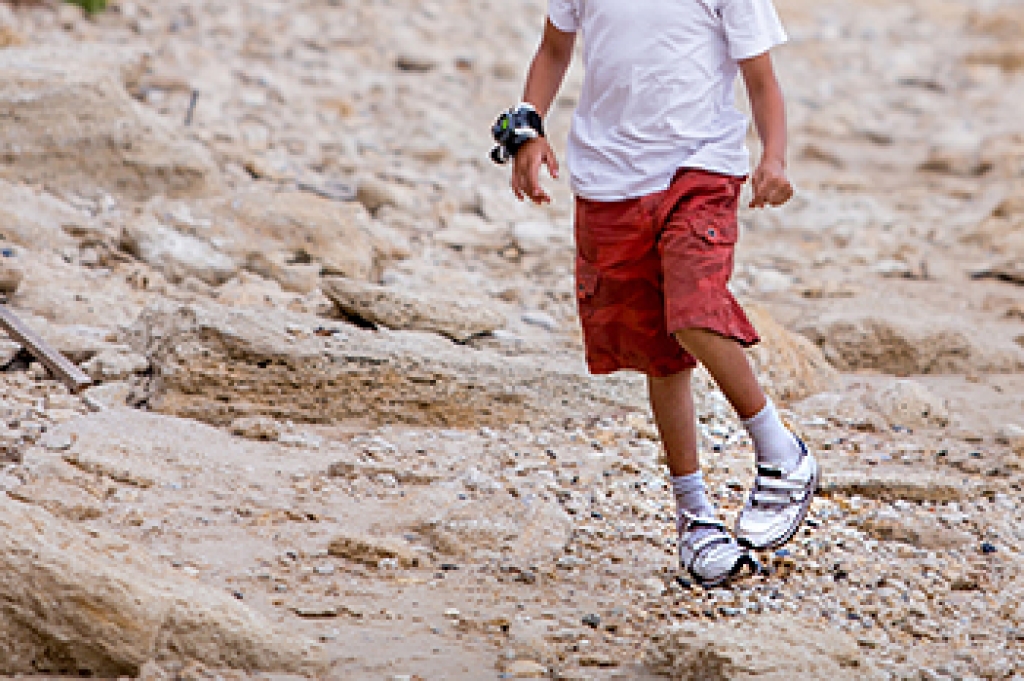
Congenital foot problems are present at birth and affect the shape, position, or movement of a baby's foot. Some conditions are easy to recognize soon after delivery, while others become more noticeable as a child begins standing or walking. Common examples include clubfoot, which turns the foot inward and downward, and metatarsus adductus, where the front of the foot curves inward. In some cases a child has trouble placing the foot flat on the ground or has one foot that appears different from the other. Early evaluation is important because proper development of the feet supports healthy balance, posture, and movement throughout childhood.
Some congenital foot problems are mild, while others affect the bones, joints, and muscles more significantly. A child might walk with an unusual gait, seem unsteady, or avoid putting weight on one foot. Shoes can fit poorly because of the foot's shape. A podiatrist carefully examines the feet, watches how the child stands and walks, and determines how flexible the affected foot is. Imaging tests, like X-rays, also help confirm the diagnosis when necessary. Prompt care helps identify whether the condition is likely to improve with guided treatment or requires closer monitoring. Early diagnosis also lowers the chance of long-term problems with walking and foot development.
A podiatrist creates a treatment plan based on the child's age and the type of congenital foot problem. Care includes gentle correction methods, custom orthotics, or special casts that gradually improve foot position. Some children benefit from braces that support healthy alignment as they grow. When the condition is more severe, surgery provides the best opportunity to improve foot function and comfort. Regular follow-up visits allow the podiatrist to monitor progress and adjust treatment as the child develops. If your child was born with a foot problem, it is suggested that you are under the care of a podiatrist who can guide you toward effective management solutions.
Congenital foot problems require immediate attention to avoid future complications. If you have any concerns, contact Yacara Tabb, DPM of Optimum Foot Care. Our doctor can provide the care you need to keep you pain-free and on your feet.
Congenital foot problems are deformities affecting the feet, toes, and/or ankles that children are born with. Some of these conditions have a genetic cause while others just happen. Some specific foot ailments that children may be born with include clubfeet, polydactyly/macrodactyly, and cleft foot. There are several other foot anomalies that can occur congenitally. What all of these conditions have in common is that a child may experience difficulty walking or performing everyday activities, as well as trouble finding footwear that fits their foot deformity. Some of these conditions are more serious than others. Consulting with a podiatrist as early as possible will help in properly diagnosing a child’s foot condition while getting the necessary treatment underway.
What are Causes of Congenital Foot Problem?
A congenital foot problem is one that happens to a child at birth. These conditions can be caused by a genetic predisposition, developmental or positional abnormalities during gestation, or with no known cause.
What are Symptoms of Congenital Foot Problems?
Symptoms vary by the congenital condition. Symptoms may consist of the following:
Treatment and Prevention
While there is nothing one can do to prevent congenital foot problems, raising awareness and receiving neonatal screenings are important. Early detection by taking your child to a podiatrist leads to the best outcome possible.
If you have any questions, please feel free to contact our office located in Slidell, LA . We offer the newest diagnostic and treatment technologies for all your foot care needs.
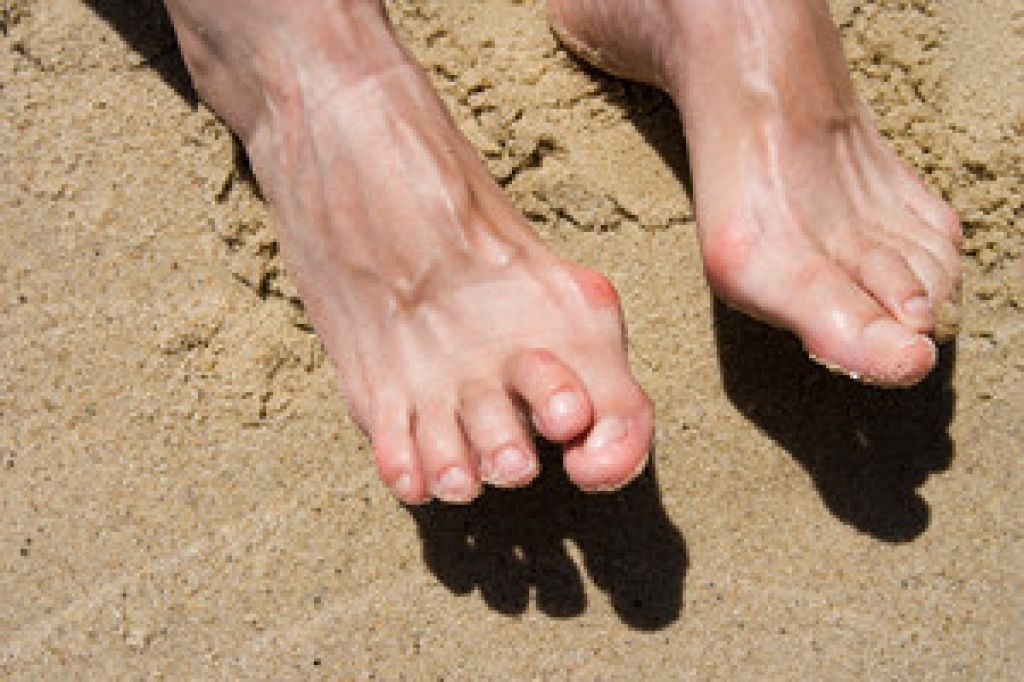
Hammertoe is a foot deformity that causes one of the smaller toes to bend at the middle joint instead of lying flat. The condition usually develops gradually and most often affects the second, third, or fourth toe. In its early stages, the toe may still be flexible, but it can become stiff over time if left untreated. Hammertoe may be caused by muscle imbalance, arthritis, or pressure from footwear that does not fit properly. As the toe changes shape, it may become painful to walk or wear shoes. Corns, calluses, and irritation may also develop where the deformed toe rubs against footwear. Early evaluation is important because treatment is often more effective before the toe becomes permanently stiff.
A podiatrist can examine the affected toe and determine how advanced the hammertoe has become. During the evaluation, the podiatrist checks toe movement, foot alignment, and areas of increased pressure that may be causing discomfort. They also look for skin changes and other foot conditions that may be contributing to the problem. Treatment depends on the severity of the deformity and the patient's symptoms. Professional hammertoe treatment may include custom orthotics, supportive footwear recommendations, or other medical treatments to improve foot function and reduce pain. If the deformity becomes severe, more advanced treatment options may be discussed.
Professional podiatry care can help relieve pain, improve mobility, and slow the progression of hammertoe. Addressing the condition early may also reduce the risk of worsening deformity and ongoing pressure on the affected toe. A podiatrist creates a treatment plan based on your individual needs and monitors changes over time. Professional foot care can also improve comfort during walking and everyday activities. If you have toe pain or notice a toe that is beginning to change shape, it is suggested that you consult a podiatrist for an evaluation.
Hammertoe
Hammertoes can be a painful condition to live with. For more information, contact Yacara Tabb, DPM from Optimum Foot Care. Our doctor will answer any of your foot- and ankle-related questions.
Hammertoe is a foot deformity that affects the joints of the second, third, fourth, or fifth toes of your feet. It is a painful foot condition in which these toes curl and arch up, which can often lead to pain when wearing footwear.
Symptoms
Causes
Genetics – People who are genetically predisposed to hammertoe are often more susceptible
Arthritis – Because arthritis affects the joints in your toes, further deformities stemming from arthritis can occur
Trauma – Direct trauma to the toes could potentially lead to hammertoe
Ill-fitting shoes – Undue pressure on the front of the toes from ill-fitting shoes can potentially lead to the development of hammertoe
Treatment
Orthotics – Custom made inserts can be used to help relieve pressure placed on the toes and therefore relieve some of the pain associated with it
Medications – Oral medications such as anti-inflammatories or NSAIDs could be used to treat the pain and inflammation hammertoes causes. Injections of corticosteroids are also sometimes used
Surgery – In more severe cases where the hammertoes have become more rigid, foot surgery is a potential option
If you have any questions, please feel free to contact our office located in Slidell, LA . We offer the newest diagnostic and treatment technologies for all your foot care needs.
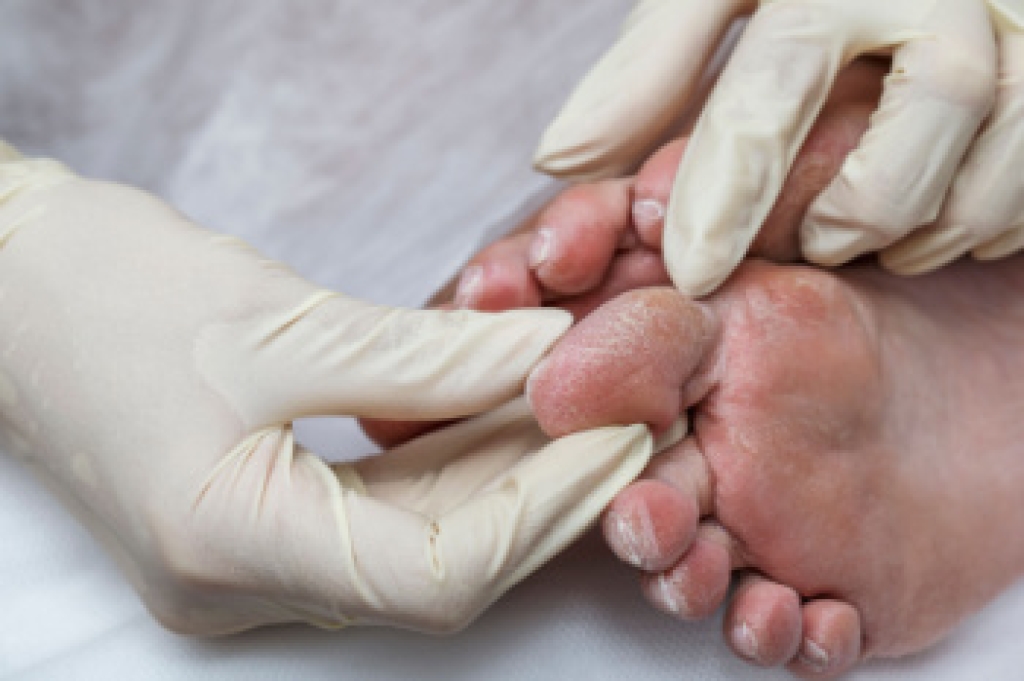
Diabetic foot care is important because diabetes can affect nerves and blood flow in the feet. Nerve damage can reduce feeling, which means a cut, blister, or sore may not hurt right away. Poor blood flow can make it harder for an injury to heal and can increase the risk of infection. These problems can become serious when they are not found early. Warning signs include numbness, redness, and open sores. Other concerns include swelling, drainage, or changes in skin color. A podiatrist can help patients with diabetes protect their feet through regular exams and early treatment. These visits are especially valuable when patients have past wounds or changing foot shape.
A podiatrist checks the nails, circulation, and feeling in the feet. Circulation means how well blood moves through the body. The exam also includes looking for pressure spots that can lead to wounds. Thick toenails, calluses, and corns can create extra stress on the skin. A podiatrist can trim problem nails safely and remove painful thick skin with the right instruments. This is especially important for patients with reduced feeling, because small cuts can lead to infection. The podiatrist can also check whether shoes fit properly and if special inserts or diabetic shoes are needed.
Diabetic foot care is most effective when it is part of ongoing medical care. A podiatrist can treat ulcers, order imaging, and coordinate care when an infection is suspected. An ulcer is an open wound that can be slow to heal. Treatment can include wound cleaning, pressure relief, or medication for infection. Pressure relief means reducing stress on the sore area so healing can occur. Your podiatrist can also monitor changes in walking, foot shape, or skin health. Regular visits help catch problems before they threaten mobility. If you have symptoms of diabetic foot problems, it is suggested that you are under the care of a podiatrist who can offer effective relief and management solutions.
Diabetic foot care is important in preventing foot ailments such as ulcers. If you are suffering from diabetes or have any other concerns about your feet, contact Yacara Tabb, DPM from Optimum Foot Care. Our doctor can provide the care you need to keep you pain-free and on your feet.
Diabetic Foot Care
Diabetes affects millions of people every year. The condition can damage blood vessels in many parts of the body, especially the feet. Because of this, taking care of your feet is essential if you have diabetes, and having a podiatrist help monitor your foot health is highly recommended.
The Importance of Caring for Your Feet
Patients with diabetes should have their doctor monitor their blood levels, as blood sugar levels play such a huge role in diabetic care. Monitoring these levels on a regular basis is highly advised.
It is always best to inform your healthcare professional of any concerns you may have regarding your feet, especially for diabetic patients. Early treatment and routine foot examinations are keys to maintaining proper health, especially because severe complications can arise if proper treatment is not applied.
If you have any questions, please feel free to contact our office located in Slidell, LA . We offer the newest diagnostic and treatment technologies for all your foot care needs.

Plantar warts are small growths that develop on parts of the feet that bear weight. They're typically found on the bottom of the foot. Don't live with plantar warts, and call us today!

Walking is one of the most accessible and effective forms of exercise, offering a wide range of health benefits for people of all ages. Regular walking supports cardiovascular health, improves circulation, enhances joint mobility, and helps maintain a healthy body weight. It also promotes mental well-being by reducing stress and improving mood. Despite these benefits, the impact of walking on foot health depends heavily on proper support and alignment, which makes footwear a critical factor in preventing injury.
Wearing the right shoes for walking provides stability, cushioning, and arch support, all of which help distribute pressure evenly across the foot. Proper walking shoes reduce strain on the plantar fascia, tendons, and joints, allowing for a smoother and more efficient gait. In contrast, wearing the wrong shoes can lead to a range of foot conditions. Blisters are a common issue caused by friction between the foot and poorly fitting shoes. Soft tissue injuries, including tendon strain and ligament irritation, may also develop due to inadequate support or improper alignment.
Symptoms of foot problems related to poor footwear may include pain, redness, swelling, and discomfort during or after walking. Blisters may appear as fluid-filled areas on the skin, often caused by repeated rubbing. Soft tissue injuries may cause aching or sharp pain that worsens with activity. Risk factors include prolonged walking, wearing worn-out shoes, choosing footwear without proper arch support, and ignoring early signs of discomfort. These issues can gradually worsen if not addressed.
It is important to understand that walking provides significant health benefits, but wearing proper footwear is essential for protecting foot health. Selecting supportive, well-fitting shoes can prevent common injuries and improve overall comfort. If you have foot conditions from wearing the wrong shoes while walking, it is suggested you consult a podiatrist for an accurate diagnosis, appropriate treatment, and guidance on proper footwear.
Exercising your feet regularly with the proper foot wear is a great way to prevent injuries and build strength. If you have any concerns about your feet, contact Yacara Tabb, DPM from Optimum Foot Care. Our doctor can provide the care you need to keep you pain-free and on your feet.
Exercise for Your Feet
Exercise for your feet can help you gain strength, mobility and flexibility in your feet. They say that strengthening your feet can be just as rewarding as strengthening another part of the body. Your feet are very important, and we often forget about them in our daily tasks. But it is because of our feet that are we able to get going and do what we need to. For those of us fortunate enough to not have any foot problems, it is an important gesture to take care of them to ensure good health in the long run.
Some foot health exercises can include ankle pumps, tip-toeing, toe rises, lifting off the floor doing reps and sets, and flexing the toes. It is best to speak with Our doctor to determine an appropriate regimen for your needs. Everyone’s needs and bodies are different, and the activities required to maintain strength in the feet vary from individual to individual.
Once you get into a routine of doing regular exercise, you may notice a difference in your feet and how strong they may become.
If you have any questions, please feel free to contact our office located in Slidell, LA . We offer the newest diagnostic and treatment technologies for all your foot care needs.
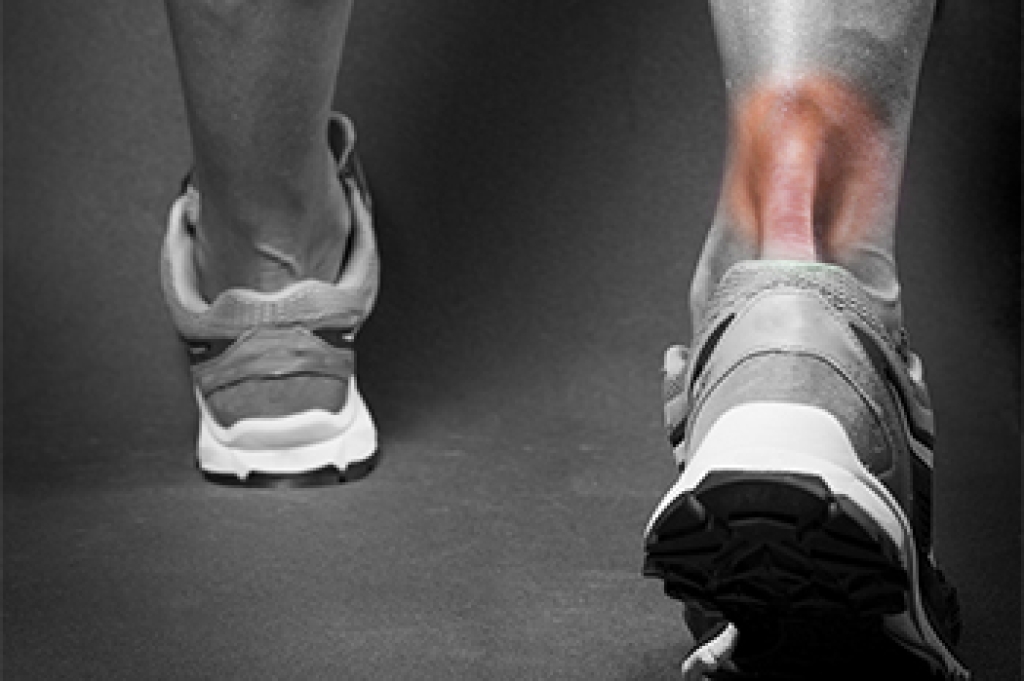
The Achilles tendon is a strong band of tissue that connects the calf muscles to the heel bone. It handles significant force while walking and especially when running. This makes it vulnerable to injury when movement mechanics are abnormal. While most stress travels in a straight upward and downward direction, unusual side-to-side or forward and backward motion can place added strain on the tendon. This may happen when a person changes the way they walk or run. Reasons include pain, weakness, poor recovery, or altered movement patterns after an injury. The Achilles tendon does not respond well to twisting, compression, or abnormal directional stress, which can increase the chance of ongoing irritation or repeat injury. Proper healing after an Achilles problem is important to restore normal movement and reduce unnecessary strain on healing tissue. Identifying abnormal gait patterns can play a key role in prevention and recovery. If you have Achilles pain or concerns after an injury, it is suggested that you visit a podiatrist for evaluation and appropriate treatment solutions.
Achilles tendon injuries need immediate attention to avoid future complications. If you have any concerns, contact Yacara Tabb, DPM of Optimum Foot Care. Our doctor can provide the care you need to keep you pain-free and on your feet.
What Is the Achilles Tendon?
The Achilles tendon is a tendon that connects the lower leg muscles and calf to the heel of the foot. It is the strongest tendon in the human body and is essential for making movement possible. Because this tendon is such an integral part of the body, any injuries to it can create immense difficulties and should immediately be presented to a doctor.
What Are the Symptoms of an Achilles Tendon Injury?
There are various types of injuries that can affect the Achilles tendon. The two most common injuries are Achilles tendinitis and ruptures of the tendon.
Achilles Tendinitis Symptoms
Rupture Symptoms
Treatment and Prevention
Achilles tendon injuries are diagnosed by a thorough physical evaluation, which can include an MRI. Treatment involves rest, physical therapy, and in some cases, surgery. However, various preventative measures can be taken to avoid these injuries, such as:
If you have any questions please feel free to contact our office located in Slidell, LA . We offer the newest diagnostic tools and technology to treat your foot and ankle needs.
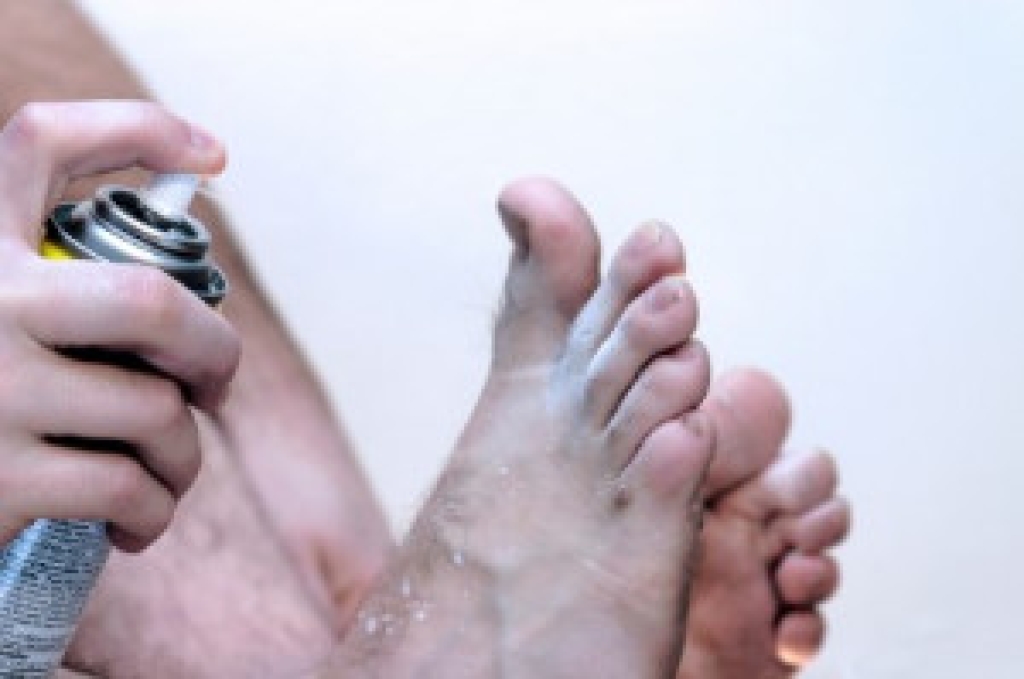
Athlete’s foot is a common fungal infection that affects the skin on the feet, especially between the toes. Fungus grows well in warm, moist places, which is why athlete’s foot is common in people who wear tight shoes or sweaty socks for long periods. Walking barefoot in public showers, locker rooms, and pool areas also increases the risk of getting this infection. Athlete’s foot spreads easily from one person to another through contaminated floors, towels, and shoes. Signs of athlete’s foot include itching, burning, peeling skin, and redness. Some people notice cracked skin that becomes painful while walking. Others develop dry, flaky skin or small blisters that can sting and itch.
The infection can spread to the soles of the feet and toenails when it is not treated promptly. A podiatrist can diagnose athlete’s foot by examining the skin and checking the affected areas carefully. Treatment often includes prescription antifungal creams, powders, or oral medicine for more serious infections. Patients are usually advised to keep their feet clean and dry each day. Wearing breathable shoes and changing socks regularly can also help stop the fungus from growing. A podiatrist may remove damaged skin safely and recommend footwear that reduces moisture around the feet.
People with diabetes or poor circulation should seek treatment quickly because fungal infections can lead to skin sores and other foot problems. Ignoring athlete’s foot can allow the infection to worsen and spread to other parts of the foot. Early treatment can reduce discomfort and help the skin heal faster. If you have signs of an athlete's foot infection, it is suggested that you make an appointment with a podiatrist for an exam and treatment options.
Athlete’s Foot
Athlete’s foot is often an uncomfortable condition to experience. Thankfully, podiatrists specialize in treating athlete’s foot and offer the best treatment options. If you have any questions about athlete’s foot, consult with Yacara Tabb, DPM from Optimum Foot Care. Our doctor will assess your condition and provide you with quality treatment.
What Is Athlete’s Foot?
Tinea pedis, more commonly known as athlete’s foot, is a non-serious and common fungal infection of the foot. Athlete’s foot is contagious and can be contracted by touching someone who has it or infected surfaces. The most common places contaminated by it are public showers, locker rooms, and swimming pools. Once contracted, it grows on feet that are left inside moist, dark, and warm shoes and socks.
Prevention
The most effective ways to prevent athlete’s foot include:
Symptoms
Athlete’s foot initially occurs as a rash between the toes. However, if left undiagnosed, it can spread to the sides and bottom of the feet, toenails, and if touched by hand, the hands themselves. Symptoms include:
Diagnosis and Treatment
Diagnosis is quick and easy. Skin samples will be taken and either viewed under a microscope or sent to a lab for testing. Sometimes, a podiatrist can diagnose it based on simply looking at it. Once confirmed, treatment options include oral and topical antifungal medications.
If you have any questions, please feel free to contact our office located in Slidell, LA . We offer the newest diagnostic and treatment technologies for all your foot care needs.
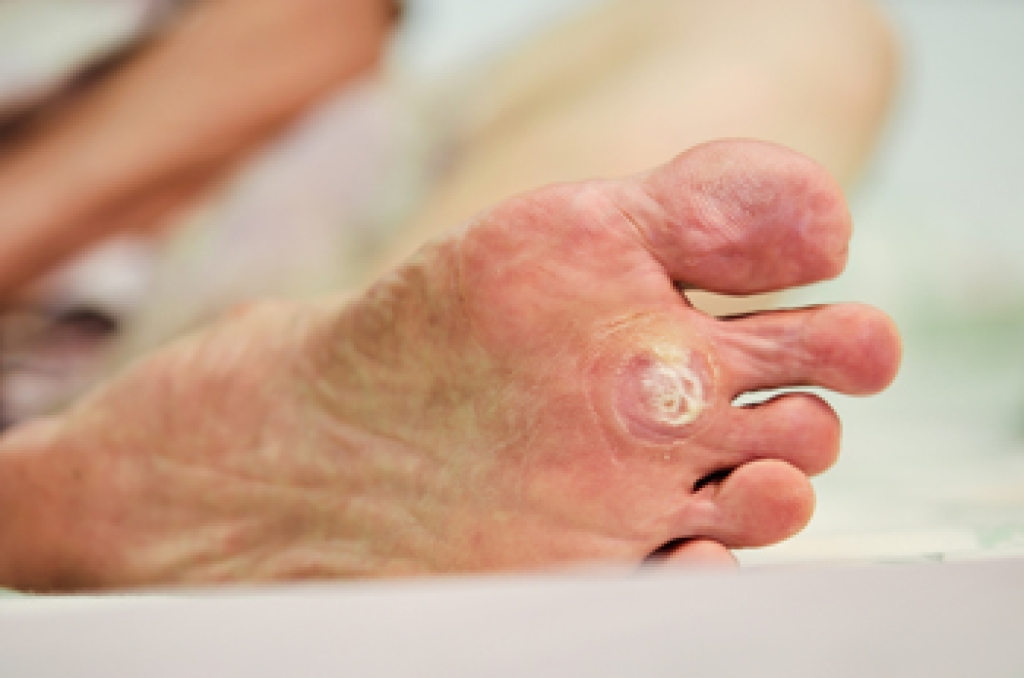
A plantar wart is a growth that appears on the bottom of the foot. It is caused by a virus that enters through small breaks in the skin. A plantar wart often looks round and may feel firm or rough to the touch. Unlike many raised warts, plantar warts are usually flat because body weight pushes them inward. One key sign is the presence of tiny black dots, which are small blood vessels within the wart. Warts commonly develop on weight-bearing areas like the heel or ball of the foot and can become painful when walking. They may also form in clusters, which can increase discomfort. A podiatrist can examine the area and confirm the diagnosis. Treatment measures to reduce pain and remove the wart safely include freezing or burning off the growth as well as prescribing certain medications. If you have symptoms of a plantar wart, it is suggested that you make an appointment with a podiatrist for a diagnosis and treatment.
Plantar warts can be very uncomfortable. If you need your feet checked, contact Yacara Tabb, DPM from Optimum Foot Care. Our doctor will assist you with all of your foot and ankle needs.
About Plantar Warts
Plantar warts are the result of HPV, or human papillomavirus, getting into open wounds on the feet. They are mostly found on the heels or balls of the feet.
While plantar warts are generally harmless, those experiencing excessive pain or those suffering from diabetes or a compromised immune system require immediate medical care. Plantar warts are easily diagnosed, usually through scraping off a bit of rough skin or by getting a biopsy.
Symptoms
Treatment
To help prevent developing plantar warts, avoid walking barefoot over abrasive surfaces that can cause cuts or wounds for HPV to get into. Avoiding direct contact with other warts, as well as not picking or rubbing existing warts, can help prevent the further spread of plantar warts. However, if you think you have developed plantar warts, speak to your podiatrist. He or she can diagnose the warts on your feet and recommend the appropriate treatment options.
If you have any questions, please feel free to contact our office located in Slidell, LA . We offer the newest diagnostic and treatment technologies for all your foot care needs.
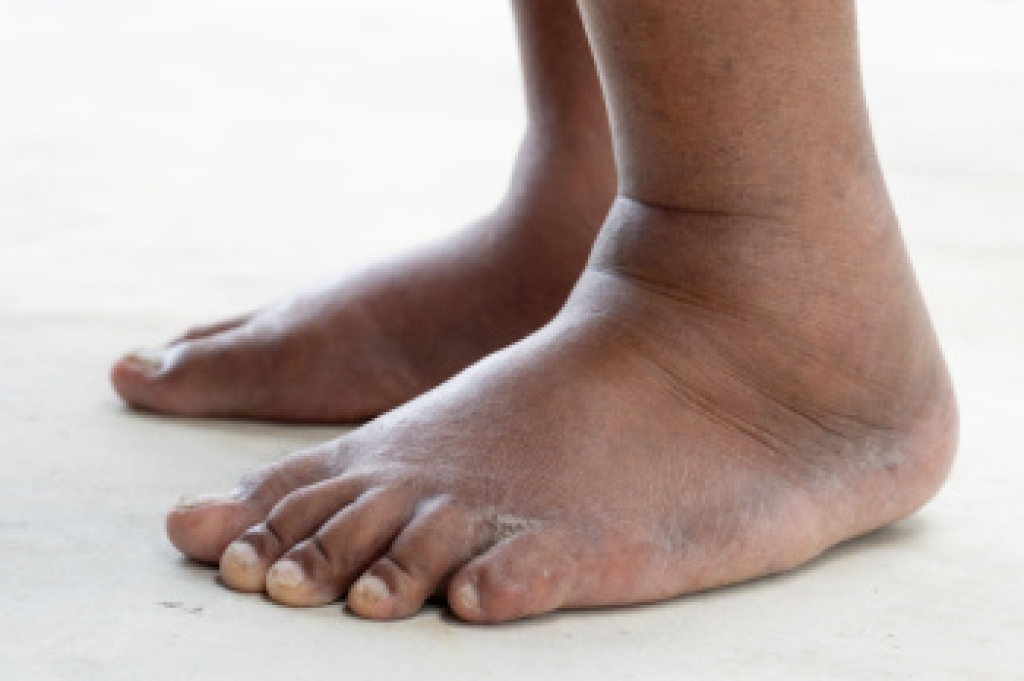
A swollen ankle can have many causes, ranging from mild to serious conditions. It often follows an injury, such as a sprain or fracture, where ligaments or bones are damaged. Swelling may also involve infections or inflammatory problems like arthritis, which is joint inflammation that leads to pain and stiffness. Circulation issues can also play a role. Conditions that affect blood flow, such as blood clots or vein problems, may cause fluid to collect in the lower leg and ankle. Certain medications, long periods of standing or sitting, pregnancy, and excess body weight may also contribute to swelling. In some cases, ankle swelling may signal a more serious medical concern that needs prompt attention. A podiatrist can examine the ankle, review medical history, and use imaging like X-rays to identify the cause. If you have a swollen ankle, it is suggested that you schedule an appointment with a podiatrist for a diagnosis and appropriate treatment.
Ankle pain can be caused by a number of problems and may be potentially serious. If you have ankle pain, consult with Yacara Tabb, DPM from Optimum Foot Care. Our doctor will assess your condition and provide you with quality foot and ankle treatment.
Ankle pain is any condition that causes pain in the ankle. Due to the fact that the ankle consists of tendons, muscles, bones, and ligaments, ankle pain can come from a number of different conditions.
Causes
The most common causes of ankle pain include:
Symptoms
Symptoms of ankle injury vary based upon the condition. Pain may include general pain and discomfort, swelling, aching, redness, bruising, burning or stabbing sensations, and/or loss of sensation.
Diagnosis
Due to the wide variety of potential causes of ankle pain, podiatrists will utilize a number of different methods to properly diagnose ankle pain. This can include asking for personal and family medical histories and of any recent injuries. Further diagnosis may include sensation tests, a physical examination, and potentially x-rays or other imaging tests.
Treatment
Just as the range of causes varies widely, so do treatments. Some more common treatments are rest, ice packs, keeping pressure off the foot, orthotics and braces, medication for inflammation and pain, and surgery.
If you have any questions please feel free to contact our office located in Slidell, LA . We offer the newest diagnostic tools and technology to treat your foot and ankle needs.

If you are suffering from tenderness, pain, or stiffness in the joints of your feet or ankles, call us to schedule an appointment.
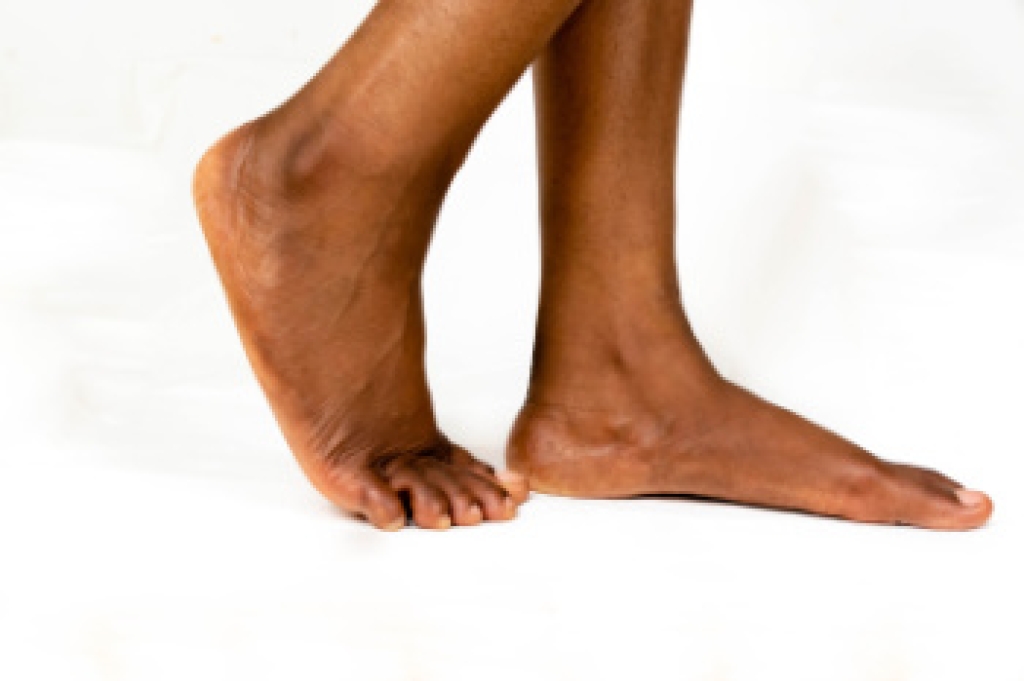
Flexible flat feet occur when the arch appears low while standing, but becomes more visible when the foot is lifted or not bearing weight. Some people have no symptoms, while others experience fatigue, foot pain, or discomfort during activity. In certain cases, targeted exercise can help improve support and movement by strengthening the muscles that influence foot position and overall lower body function. Treatment is not always limited to the foot itself, since weakness in the legs or hips may also affect alignment and how pressure moves through the feet during walking. A podiatrist can evaluate gait, foot structure, and muscle function to determine whether strengthening exercises may be helpful as part of treatment. Supportive care may also include shoe guidance or custom inserts when needed. If you have painful or symptomatic flat feet, it is suggested that you visit a podiatrist for appropriate relief and management solutions.
Flatfoot is a condition many people suffer from. If you have flat feet, contact Yacara Tabb, DPM from Optimum Foot Care. Our doctor will treat your foot and ankle needs.
What Are Flat Feet?
Flatfoot is a condition in which the arch of the foot is depressed and the sole of the foot is almost completely in contact with the ground. About 20-30% of the population generally has flat feet because their arches never formed during growth.
Conditions & Problems:
Having flat feet makes it difficult to run or walk because of the stress placed on the ankles.
Alignment – The general alignment of your legs can be disrupted, because the ankles move inward which can cause major discomfort.
Knees – If you have complications with your knees, flat feet can be a contributor to arthritis in that area.
Symptoms
Treatment
If you are experiencing pain and stress on the foot you may weaken the posterior tibial tendon, which runs around the inside of the ankle.
If you have any questions, please feel free to contact our office located in Slidell, LA . We offer the newest diagnostic and treatment technologies for all your foot care needs.
